

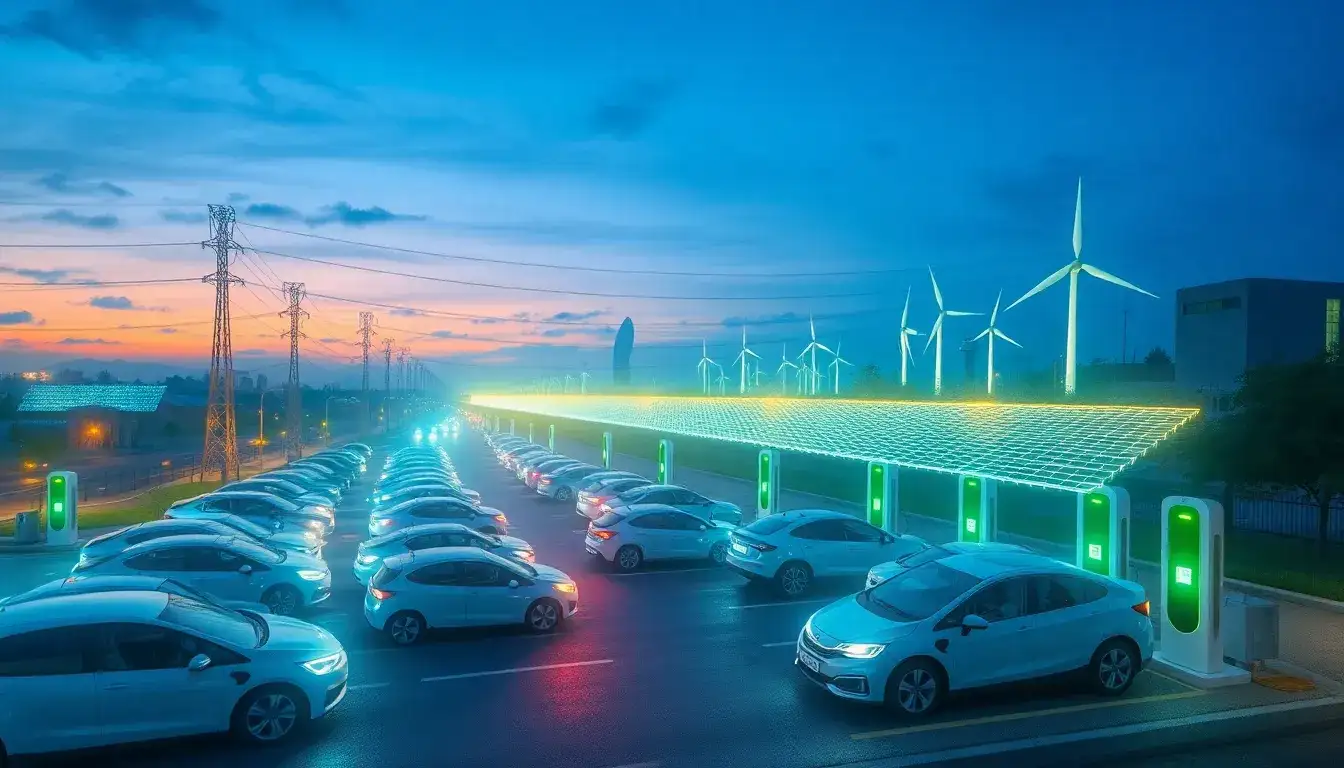
Smart charging helps reduce peak demand on the electrical grid by managing when and how electric vehicles (EVs) are charged, thus preventing demand spikes that strain the grid and lead to higher costs. Key mechanisms by which smart charging reduces peak demand include:
- Load Management and Dynamic Load Balancing: Smart charging systems distribute available power efficiently across multiple EV chargers, ensuring no single charger pulls excessive power simultaneously. This dynamic allocation prevents sudden surges in electricity demand that contribute to peak loads on the grid.
- Scheduled and Off-Peak Charging: Smart charging enables scheduling of EV charging during off-peak hours when electricity demand and rates are lower. By shifting charging away from high-demand periods, peak demand spikes on the grid are reduced, lowering demand charges for businesses and utilities.
- Integration with Battery Energy Storage Systems (BESS): Combining smart chargers with on-site battery storage allows excess energy to be stored during low-demand times and deployed during peak periods. This approach reduces reliance on grid power during costly peak hours and helps smooth load profiles.
- Participation in Demand Response Programs: Smart charging can adjust or reduce charging loads in real-time in response to grid conditions or utility signals, helping to lower demand during critical peak periods and supporting grid reliability.
- Use of Renewable Energy Sources: Utilizing solar panels or other renewables in conjunction with smart charging reduces the need for grid power during peak times and further decreases peak demand.
Overall, smart charging optimizes the timing and distribution of EV charging energy, effectively shaving peak electricity demand and enhancing grid stability and cost efficiency. This reduction in peak load can also lessen the need for costly grid infrastructure upgrades and improve the integration of renewables into the grid.
Original article by NenPower, If reposted, please credit the source: https://nenpower.com/blog/how-does-smart-charging-help-in-reducing-peak-demand-on-the-grid/

