

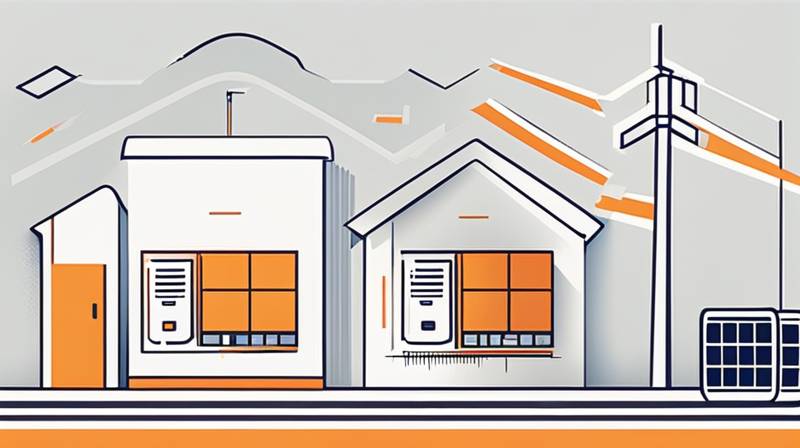
Residential energy storage in South Africa operates by harnessing and storing energy from the grid or renewable sources. 1. Energy storage systems (ESS) play a pivotal role in enhancing energy accessibility, allowing homeowners to store excess energy generated during peak supply periods. 2. The increasing adoption of solar photovoltaic (PV) systems enables more households to generate their own energy, which can then be stored for later use. 3. Various technologies, such as lithium-ion batteries, lead-acid batteries, and flow batteries, are employed to facilitate energy storage, each presenting unique advantages and limitations. By incorporating energy management systems, families can optimize their energy consumption, reduce costs, and contribute sustainably to the energy landscape. Exploring these facets provides insight into the evolving energy storage market in South Africa.
1. UNDERSTANDING RESIDENTIAL ENERGY STORAGE
Residential energy storage involves the use of systems to capture and hold energy for later usage, particularly beneficial in regions experiencing frequent electricity shortages or seeking sustainability. In South Africa, many households are turning to energy storage solutions due to the increasing demand for reliable power and the rise of renewable energy technologies.
These systems allow consumers to capitalize on various energy sources, such as utility power during off-peak hours or self-generated power through solar panels. The capability to store this energy can significantly reduce dependence on the grid, especially during load shedding episodes that have become common in several areas of the country. As a result, the resilience of households in the face of fluctuations in energy supply is markedly improved.
2. THE ROLE OF SOLAR PHOTOVOLTAIC SYSTEMS
Solar photovoltaic systems are a significant component of residential energy storage in South Africa. When coupled with energy storage solutions, these systems provide a dual benefit: generating and storing power. As solar panel technology advances, performance improves, leading to larger quantities of power generated even outside of peak sunlight hours.
During daytime hours when sunlight is abundant, solar panels produce excess energy that can be either used directly by the home or stored for future utilization. By storing energy during the day, homeowners can utilize it during high-demand periods or at night when energy costs are typically higher. Consequently, the intersection of solar PV and energy storage plays an integral role in promoting energy independence and offering financial savings over time.
3. TYPES OF ENERGY STORAGE TECHNOLOGIES
An array of energy storage technologies exists, each with distinct characteristics and benefits. Lithium-ion batteries are among the most prevalent options for residential energy storage due to their efficiency and longevity. They offer higher energy density levels, making them suitable for compact residential applications.
Another option is lead-acid batteries, which have a long-standing history in energy storage solutions. Although they are generally more affordable upfront, they have a shorter lifespan and lower energy density compared to lithium-ion variants. Flow batteries, while less common, offer advantages in scalability and longer discharge periods, making them viable for certain applications. Each technology’s applicability often hinges on factors such as budget, energy needs, and space availability.
4. ENERGY MANAGEMENT SYSTEMS
Energy management systems (EMS) are essential in optimizing the efficiency of residential energy storage. These smart systems monitor, control, and analyze energy consumption patterns, allowing for informed decisions regarding energy usage. By integrating renewable energy sources and monitoring usage, EMS can maximize harvesting from solar panels while ensuring stored energy is used strategically.
With these systems, users can set preferences for energy consumption, determine the optimal times for charging storage devices, and even predict future energy needs based on historical data. This smart approach fosters energy conservation and enables households to tilt their energy usage in favor of more sustainable practices.
5. ECONOMIC IMPLICATIONS
The economic landscape surrounding residential energy storage is evolving as prices for storage technologies decline and additional incentives emerge. Investing in energy storage can result in considerable long-term savings, especially when paired with renewable energy generation.
Moreover, potential savings on utility bills can be substantial, particularly during times of peak demand when electricity prices soar. Government incentives aimed at promoting the adoption of renewable energy technologies further enhance the attractiveness of investing in residential energy storage solutions, thus positioning them as a wise financial decision in the current economic environment.
6. ENVIRONMENTAL BENEFITS
Embracing residential energy storage offers multifaceted environmental advantages. By facilitating the use of renewable energy sources, these systems contribute to reducing reliance on fossil fuels, leading to a decrease in greenhouse gas emissions. This transition not only improves local air quality but also advances efforts to combat climate change, making a substantial impact on sustainability.
Additionally, energy storage aids in balancing energy supply and demand, enabling more efficient use of renewable resources, which is crucial for reducing waste. As more households transition towards energy storage technologies, the collective environmental benefit amplifies, contributing positively to South Africa’s green energy initiatives.
7. REGULATORY FRAMEWORK
The regulatory environment in South Africa plays a critical role in determining the feasibility and attractiveness of residential energy storage systems. Supportive policies and frameworks can either accelerate or hinder the growth of the energy storage market. Various initiatives introduced by the South African government aim to streamline regulations and promote the integration of renewable energy technologies.
Despite the challenges posed by existing regulations, improvements and adjustments continue to emerge. Collaborative efforts between stakeholders, such as utility companies, regulatory bodies, and technology providers, are essential for shaping policies that underpin efficient and sustainable energy management practices in the residential sector.
8. FUTURE PROSPECTS
The future of residential energy storage in South Africa appears promising, marked by continuous advancements in technology and increased consumer awareness. As the demand for reliable energy sources persists, the adoption of energy storage solutions will likely expand, leading more households to seek autonomy over their energy consumption.
With growing support from governmental bodies and declining costs of storage technologies, homeowners are becoming more inclined to invest in systems that secure a stable and sustainable energy future. Furthermore, as global energy trends evolve and include more diverse sources, South Africa stands to benefit from actively engaging with innovative solutions in residential energy storage.
QUESTIONS FREQUENTLY ASKED
WHAT ARE THE BENEFITS OF RESIDENTIAL ENERGY STORAGE?
Residential energy storage systems offer numerous advantages to households. One principal benefit is energy independence. By storing energy generated from renewable sources like solar PV, homeowners can rely less on traditional utility supplies, particularly during peak demand hours when energy prices are at their highest.
Moreover, peak shaving, which involves consuming stored energy during high-cost periods, can lead to significant savings on utility bills over time. In addition, these systems can provide a backup power supply in the event of unexpected outages, ensuring that essential appliances and devices remain operational. Furthermore, the environmental benefits associated with integrating renewable energy sources into daily energy consumption patterns contribute positively to sustainability goals, making energy storage not only a personal advantage but also a community asset.
HOW DOES ENERGY STORAGE IMPACT ELECTRICITY COSTS?
Energy storage directly influences electricity costs in multiple ways. One of the most crucial aspects is price arbitrage, allowing consumers to store energy during low-cost off-peak hours and utilize it during more expensive peak periods. This practice effectively lowers overall energy expenses by shifting electricity usage to times when rates are minimized.
Additionally, energy storage can help stabilize grid demand, reducing the necessity for costly infrastructure investments and peak power plants. As households increasingly adopt energy storage solutions, the overall demand on the grid diminishes during peak times, leading to reduced operational costs for utility companies. This, in turn, can create a ripple effect benefiting all consumers by potentially leading to lower electricity rates over time.
WHAT TECHNOLOGIES ARE AVAILABLE FOR RESIDENTIAL ENERGY STORAGE?
A variety of technologies are currently available for residential energy storage, providing homeowners with numerous options to suit their specific needs. Lithium-ion batteries are the most commonly utilized type, praised for their energy efficiency, compact size, and long life cycle. These batteries are often integrated into solar installations as they can store excess energy generated throughout the day.
Other options include lead-acid batteries, which have a longer history in energy storage but come with trade-offs regarding longevity and efficiency. Flow batteries represent another innovative choice, offering scalability and a longer discharge time. Each technology has unique characteristics, and homeowners should evaluate their specific energy needs, budget constraints, and space availability to determine the most suitable solution for their residential energy storage requirements.
In summary, the landscape of residential energy storage in South Africa is characterized by innovative technologies, evolving consumer preferences, and supportive regulatory frameworks. As homeowners increasingly gravitate towards greater energy independence, solutions that combine renewable energy generation with efficient energy storage options will continue to shape how electricity is consumed and managed. The future hinges on wider acceptance and integration of these technologies, further enabling South African households to lead the charge towards a more sustainable and cost-effective energy landscape.
Original article by NenPower, If reposted, please credit the source: https://nenpower.com/blog/how-does-residential-energy-storage-work-in-south-africa/

