

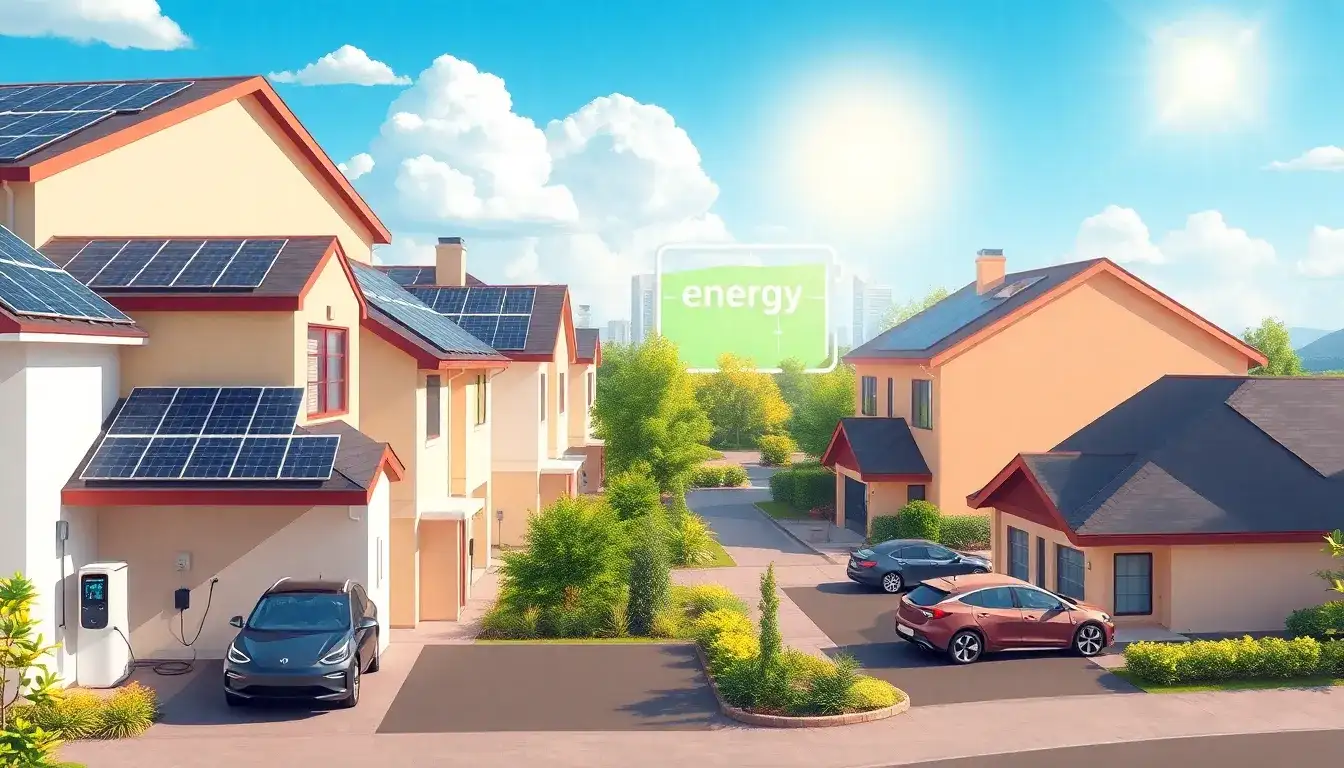
How Residential Energy Storage Enhances Energy Independence
- Reducing Grid Reliance
Residential energy storage systems allow homeowners to store excess energy generated by renewable sources, such as solar panels, and use it when needed. This reduces the amount of energy drawn from the grid, especially during peak hours or when renewable sources are not available. - Backup Power During Outages
These systems provide backup power during grid outages, ensuring that essential appliances can continue to operate. This is particularly beneficial in areas prone to power disruptions or natural disasters. - Optimized Energy Use
With real-time monitoring and management, homeowners can optimize their energy usage. They can store energy during off-peak hours and use it during peak demand times, further reducing reliance on the grid. - Self-Sustaining Systems
For off-grid systems, residential energy storage allows homeowners to be completely self-sufficient by storing energy from renewable sources like solar or wind, reducing the need for external power sources.
Benefits of Enhanced Energy Independence
- Cost Savings: By using stored energy during peak hours, homeowners can avoid higher electricity prices, leading to reduced energy bills.
- Environmental Benefits: Increased use of renewable energy reduces carbon emissions and supports sustainable living.
- Increased Property Value: Homes with energy storage systems are more attractive to environmentally conscious buyers, potentially increasing property value.
Overall, residential energy storage systems empower homeowners to manage their energy needs more effectively, leading to greater independence from the grid.
Original article by NenPower, If reposted, please credit the source: https://nenpower.com/blog/how-does-residential-energy-storage-improve-energy-independence/

