

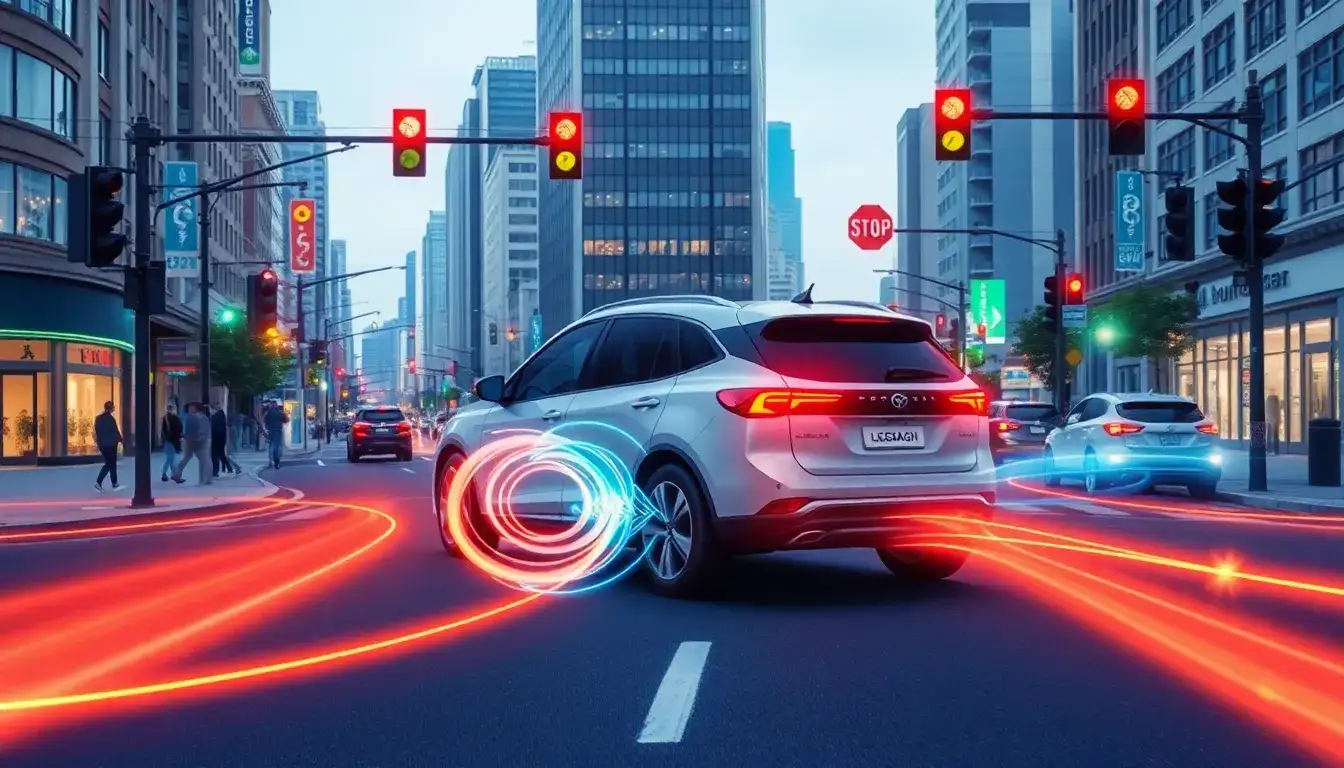
Regenerative braking improves the efficiency of electric vehicles (EVs) in city driving primarily by recovering and reusing energy that would otherwise be lost during braking. Here is how it works and why it is especially beneficial in urban environments:
Mechanism of Regenerative Braking
- When an EV slows down, its electric motor operates in reverse, acting as a generator that converts the vehicle’s kinetic energy into electrical energy.
- This captured energy is fed back into the battery or energy storage system rather than being wasted as heat, which is the case in conventional friction brakes.
Efficiency Gains
- Regenerative braking systems typically reclaim about 60-70% of the kinetic energy lost during braking.
- Although this does not translate into a 60-70% increase in driving range, it does mean that a significant portion of the energy used to slow down is recycled back into the vehicle’s battery, reducing the net energy consumption and improving overall efficiency.
Advantages in City Driving
- City driving involves frequent stops and starts due to traffic lights, stops signs, and congestion. This results in multiple opportunities for regenerative braking to recover energy with each deceleration.
- Studies suggest regenerative braking can improve the energy efficiency of EVs in urban driving by up to 30% compared to similar driving without energy recovery.
- This increased efficiency extends driving range and reduces the need to draw power from the battery for acceleration after every stop.
Additional Benefits
- Regenerative braking reduces wear and tear on traditional brake components (pads and rotors) since the mechanical brakes are used less.
- This leads to lower maintenance costs and longer brake system life.
- The system also provides smoother and more controlled deceleration during stop-and-go traffic, which enhances the driving experience.
In summary, regenerative braking in city driving boosts EV efficiency by capturing energy during frequent braking events, improving energy use by up to 30%, extending driving range, reducing brake wear, and providing smoother stops. This makes EVs particularly well-suited for urban environments where traditional vehicles lose much energy in braking to heat.
Original article by NenPower, If reposted, please credit the source: https://nenpower.com/blog/how-does-regenerative-braking-in-city-driving-improve-the-efficiency-of-electric-vehicles/

