

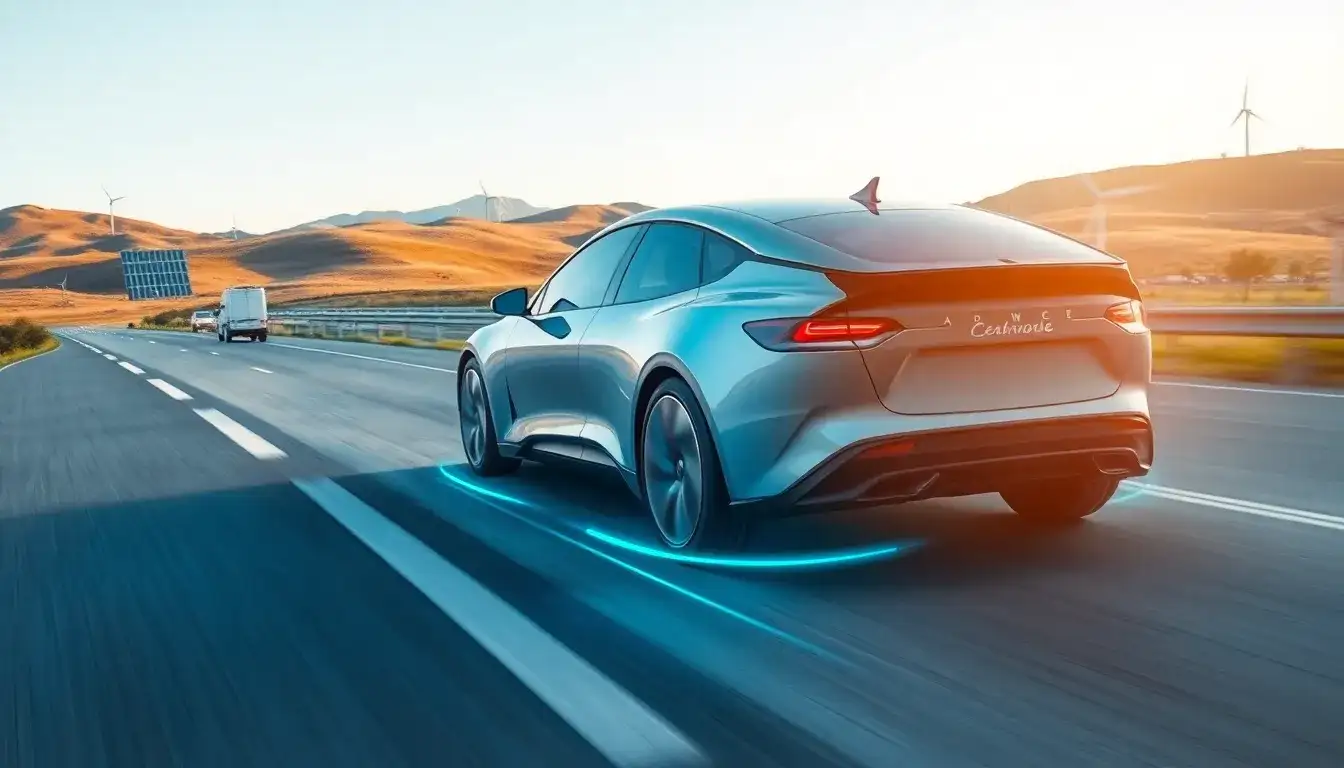
Regenerative braking impacts the overall driving experience in several significant ways, both positive and potentially challenging:
Positive Effects on Driving Experience
- Smoother Driving and Energy Efficiency: Regenerative braking engages automatically when the driver lifts off the accelerator, creating a deceleration effect that slows the vehicle smoothly without needing to frequently press the brake pedal. This leads to a more fluid driving experience and conserves energy by capturing kinetic energy and converting it back into battery charge, thereby increasing the vehicle’s range.
- Less Frequent Use of Brake Pedal: Since regenerative braking provides much of the deceleration, drivers tend to use the friction brakes less often. This reduces brake wear and can contribute to longer maintenance intervals.
- Enhanced Safety and Reassurance: Some drivers report that regenerative braking or energy recovery kicking in as soon as they lift off the accelerator creates a reassuring feeling, especially at lower speeds, making the driving experience feel safer. It also means brakes respond more immediately when pressed after regenerative braking has started slowing the car.
- Increased Driving Range: By recovering energy during deceleration and braking, regenerative braking can add substantial electric driving range over time, potentially hundreds of miles annually, which enhances overall driving confidence and reduces range anxiety for EV drivers.
Challenges and Considerations
- Learning Curve for Drivers: Regenerative braking requires a different driving style, often called “one-pedal driving,” where lifting the accelerator slows the vehicle significantly. Drivers need to learn how to modulate this effect smoothly, or the driving can feel abrupt.
- Potential for Motion Sickness: Strong or abruptly applied regenerative braking can cause discomfort or motion sickness for both drivers and passengers. Sudden deceleration or lurching motions, common in some EV models with aggressive regen settings, can make rides uneasy until drivers become accustomed to managing throttle inputs carefully.
- Differences in Brake Feel: Because regenerative braking handles much of the deceleration, the feel and responsiveness of the physical brake pedal can be different from traditional cars. Some drivers note that low-speed braking feels less instantaneous or less familiar, requiring adjustment.
In summary, regenerative braking generally enhances the driving experience by making acceleration and deceleration smoother, extending range, reducing brake wear, and improving safety at lower speeds. However, it introduces a new dynamic that requires drivers to adjust their driving technique, with a potential downside of causing motion sickness if not managed carefully.
Original article by NenPower, If reposted, please credit the source: https://nenpower.com/blog/how-does-regenerative-braking-impact-the-overall-driving-experience/

