

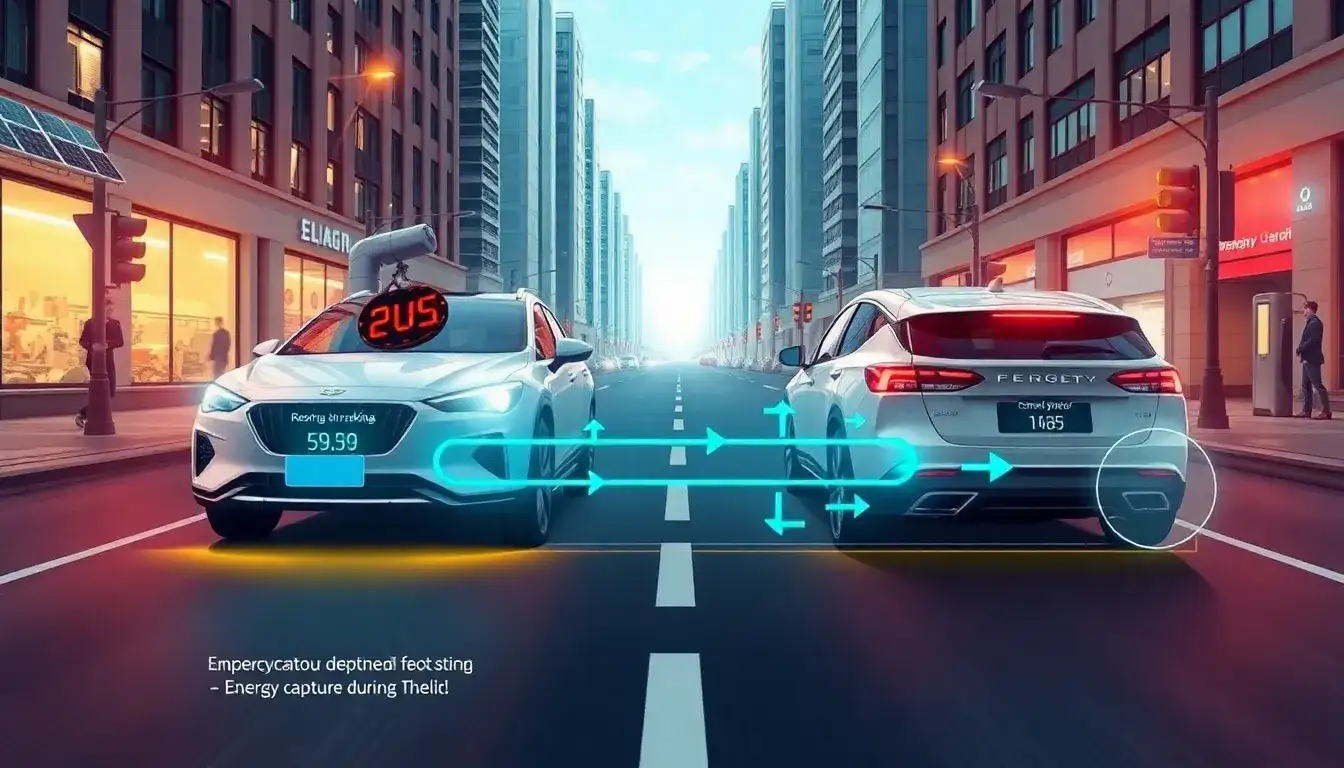
Regenerative braking positively impacts the overall fuel efficiency of both Hybrid Electric Vehicles (HEVs) and Plug-in Hybrid Electric Vehicles (PHEVs) by recovering kinetic energy that would otherwise be lost during braking and converting it into electrical energy stored in the battery.
Impact on HEVs
- HEVs use regenerative braking to slow the vehicle, where the electric motor acts as a generator to capture energy during braking or deceleration. This energy is then stored in the battery and used to assist the gasoline engine during acceleration or low-speed driving, reducing fuel consumption and improving fuel efficiency compared to traditional vehicles with conventional brakes.
- Since HEVs recharge their batteries primarily through regenerative braking and the internal combustion engine, this system helps reduce the load on the gasoline engine, lowering overall fuel usage and emissions.
Impact on PHEVs
- PHEVs also employ regenerative braking systems, capturing energy during braking to recharge their typically larger traction batteries. This helps maintain battery charge without solely relying on plugging in, supplementing the electric driving range and further reducing gasoline consumption when the battery is low.
- The combination of regenerative braking and the ability to recharge via the grid allows PHEVs to maximize electric driving for short trips, which can significantly reduce or even eliminate gasoline use during those trips, thereby enhancing fuel efficiency and lowering emissions.
Summary
In both HEVs and PHEVs, regenerative braking contributes to better fuel economy by:
- Capturing energy lost in braking and converting it into electrical power.
- Using this recovered energy to power electric motors that reduce the load on the gasoline engine.
- Reducing overall fuel consumption and emissions.
- Extending brake life, which indirectly supports cost savings.
PHEVs benefit additionally from the flexibility of external charging, allowing them to prioritize electric-only travel when possible, but regenerative braking remains a key element for improving energy efficiency in both types of vehicles.
Original article by NenPower, If reposted, please credit the source: https://nenpower.com/blog/how-does-regenerative-braking-affect-the-overall-fuel-efficiency-of-hevs-and-phevs/

