

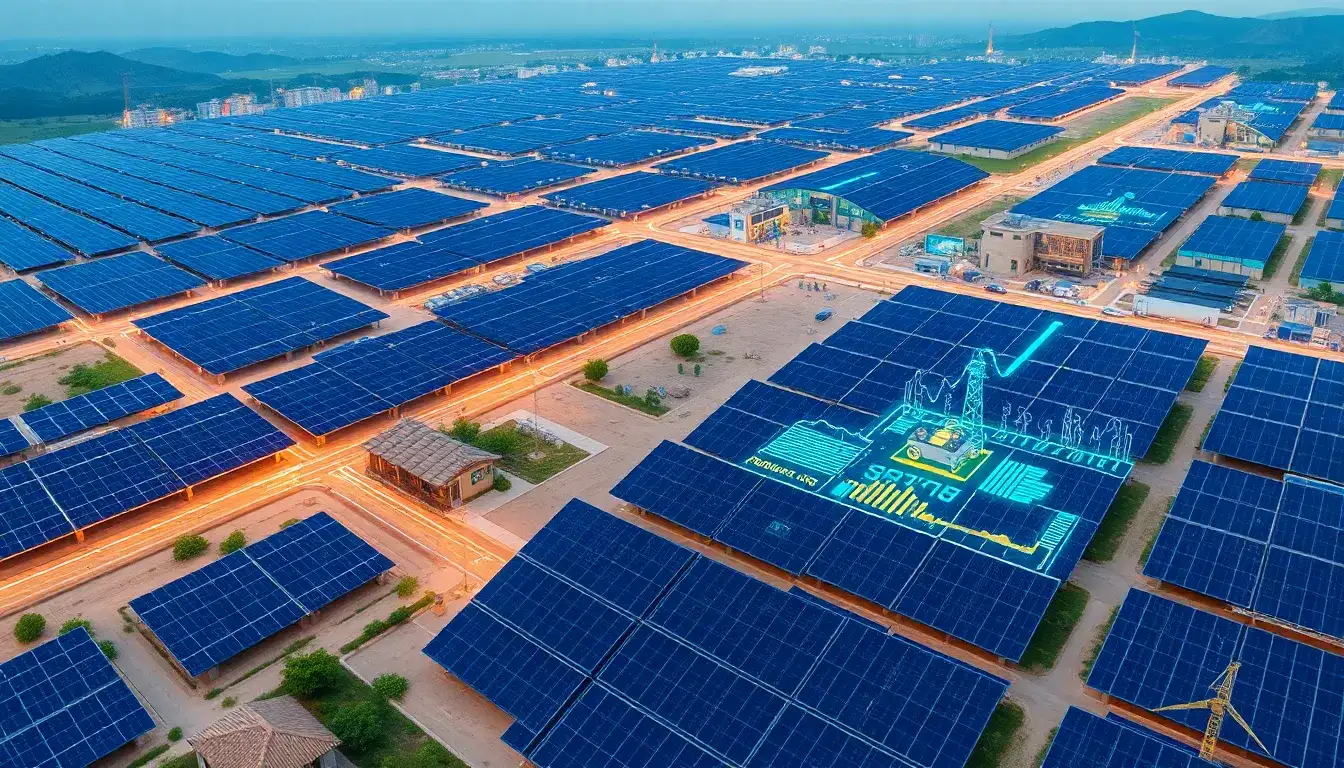
Real-time data integration plays a critical role in enhancing the scalability of solar energy systems by providing vital insights that support strategic decision-making. Here’s how it impacts scalability:
Key Benefits of Real-Time Data Integration
- Optimized Operations: Real-time data integration allows for the continuous monitoring of key performance indicators (KPIs) such as solar irradiance, panel temperature, and inverter efficiency. This ensures optimal system performance and maximizes energy yield by identifying trends and adjusting system parameters in real-time.
- Weather Forecast Integration: By integrating weather forecasts with system performance data, solar energy systems can make precise energy forecasts, which is crucial for grid integration, energy trading, and operational planning. This allows for proactive adjustments, such as modifying energy storage plans during periods of low solar irradiance.
- Smart Energy Management: Modern data integration platforms enable smart energy management solutions that leverage real-time data analysis. These systems automatically optimize energy usage, directing excess power to charge batteries or run energy-intensive appliances during peak solar production hours, thereby reducing energy costs.
- Scalability and Growth: Real-time data integration enhances scalability by providing insights across large-scale solar projects. This helps companies identify growth opportunities, optimize resource allocation, and drive business growth in competitive markets.
Technological Advances
Technological projects like DEEP SOLAR focus on enhancing system layer implementation using real-time dynamic data-driven modeling. These endeavors aim to develop scalable grid infrastructure that integrates renewable energy sources effectively, ensuring efficient operation during deep solar penetration scenarios.
Conclusion
Real-time data integration is fundamental for scaling solar energy systems efficiently. It supports strategic decision-making, enhances operational efficiency, and optimizes energy usage, ultimately contributing to the sustainable growth of solar energy infrastructure.
Original article by NenPower, If reposted, please credit the source: https://nenpower.com/blog/how-does-real-time-data-integration-affect-the-scalability-of-solar-energy-systems/

