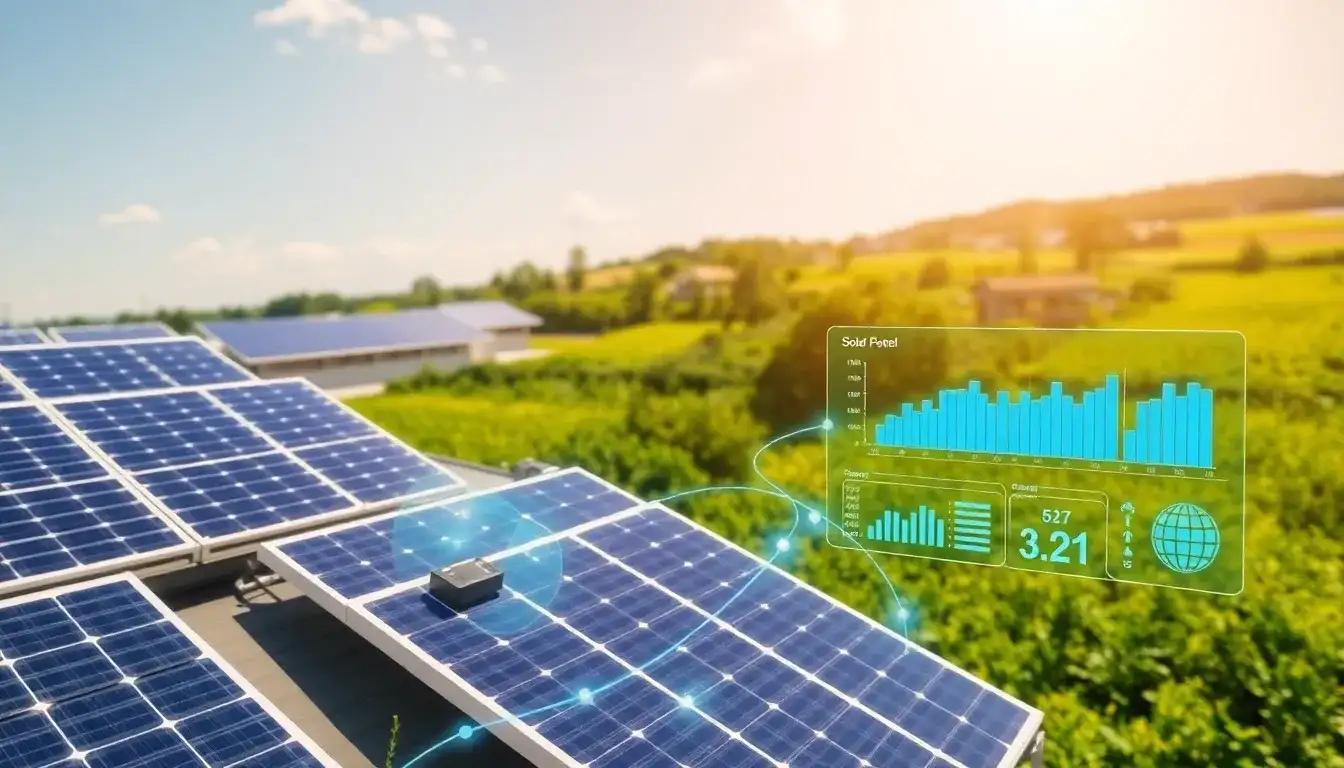
Real-time data from IoT sensors enhances solar panel efficiency through continuous monitoring and automated optimization. Here’s how:
1. Automated Performance Adjustments
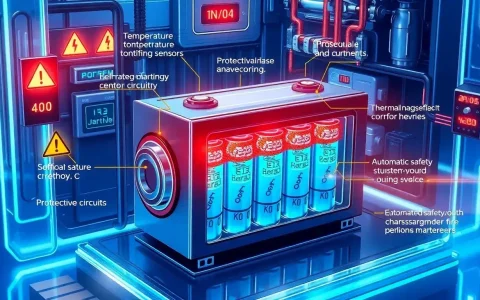
IoT sensors track parameters like temperature, voltage, and current output in real time. AI processes this data to automatically adjust panel angles or redistribute energy between panels during environmental changes (e.g., cloud cover), maintaining optimal efficiency.
2. Predictive Maintenance
Sensors detect gradual performance drops or anomalies (e.g., unusual voltage fluctuations) before they cause failures. This enables proactive repairs, reducing downtime and preventing energy loss.
3. Energy Production Forecasting
By analyzing weather data, irradiance levels, and historical performance, AI predicts energy output and optimizes battery storage vs. grid distribution, minimizing waste.
4. Component-Level Monitoring
Micro-inverter sensors identify underperforming individual panels, while temperature sensors prevent overheating-related efficiency losses. This granular tracking ensures every part of the system operates within ideal parameters.
5. Weather Adaptation
Integrated weather stations measure sunlight intensity, wind, and rainfall to predict cleaning needs or storm impacts, ensuring consistent energy generation.
These capabilities are typically accessible via cloud-based dashboards or mobile apps, enabling remote management and data-driven decision-making.
Original article by NenPower, If reposted, please credit the source: https://nenpower.com/blog/how-does-real-time-data-from-iot-sensors-improve-the-efficiency-of-solar-panels/