

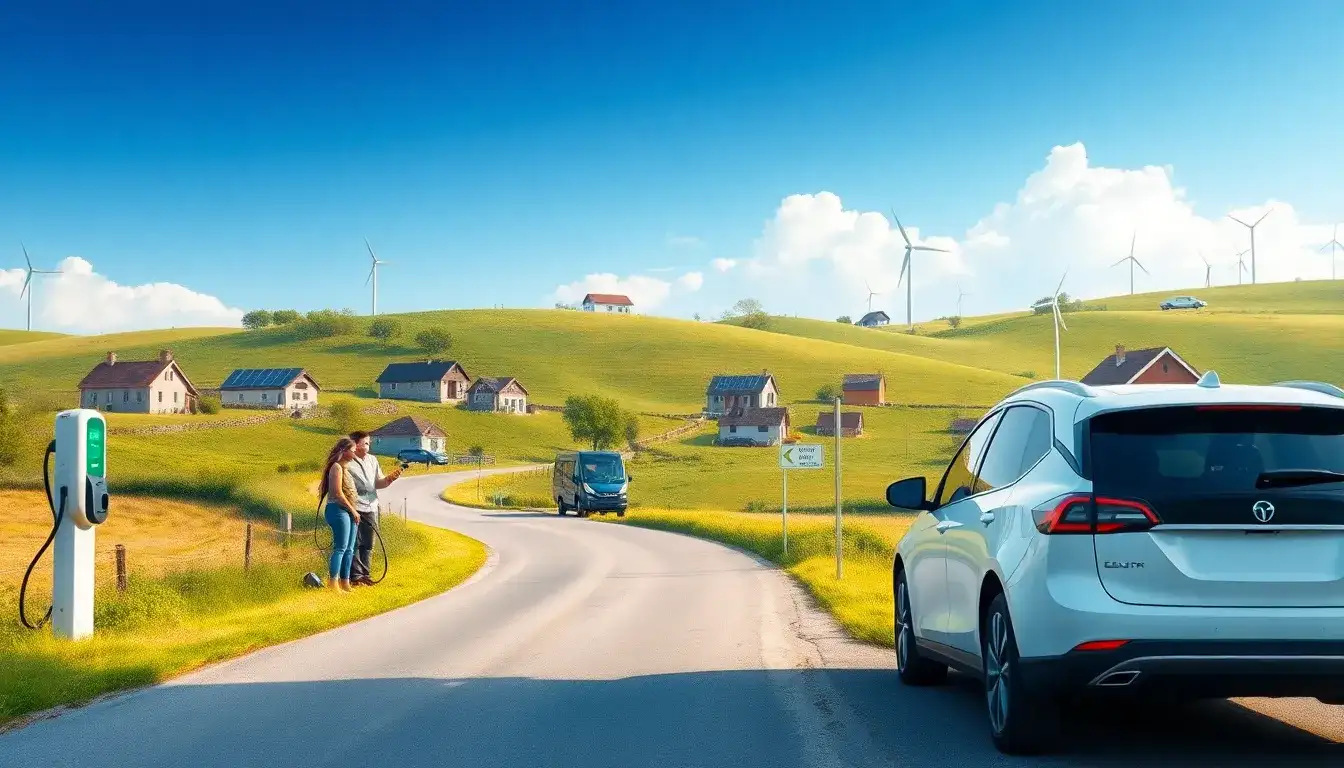
Range anxiety significantly impacts electric vehicle (EV) adoption in rural areas primarily because rural residents typically face longer travel distances and sparser charging infrastructure. This combination makes them especially concerned about running out of battery charge before reaching a charging station. Unlike urban areas with a dense network of fast chargers, rural regions often lack sufficient and conveniently located charging stations, increasing the fear of being stranded with a depleted battery. This concern discourages many rural residents from purchasing EVs.
Several factors exacerbate range anxiety in rural contexts:
- Longer travel distances: Rural drivers generally travel farther between destinations, making the limited range of many EVs more of a practical barrier.
- Sparse charging infrastructure: Charging stations are fewer and farther apart in rural areas, and fast-charging options are especially limited, resulting in longer recharge times and greater inconvenience.
- High costs of charger installation: Due to lower population density, the cost to install and maintain charging stations in rural areas is often higher, with less frequent usage to offset expenses.
Range anxiety is part of a broader set of concerns rural non-EV owners have, including cost and perceived inconvenience of charging. Research shows that range anxiety negatively affects attitudes toward EVs among rural residents, although it may not directly reduce their purchase intentions as strongly as issues like charging inconvenience. However, it remains a key psychological barrier that must be addressed to boost rural EV adoption.
Increasing the number and accessibility of charging stations in rural areas is critical to reducing range anxiety. Enhanced infrastructure can create a positive feedback loop that encourages more EV adoption, which in turn supports further investment in charging facilities. Alongside infrastructure improvements, government incentives, education, and community initiatives are important to overcoming the range anxiety barrier specific to rural EV adoption.
In summary, range anxiety in rural areas is a potent deterrent because of longer distances traveled and insufficient charging infrastructure, making it a central challenge for rural EV adoption efforts that must be addressed through infrastructure expansion and supportive policies.
Original article by NenPower, If reposted, please credit the source: https://nenpower.com/blog/how-does-range-anxiety-specifically-impact-rural-ev-adoption/

