

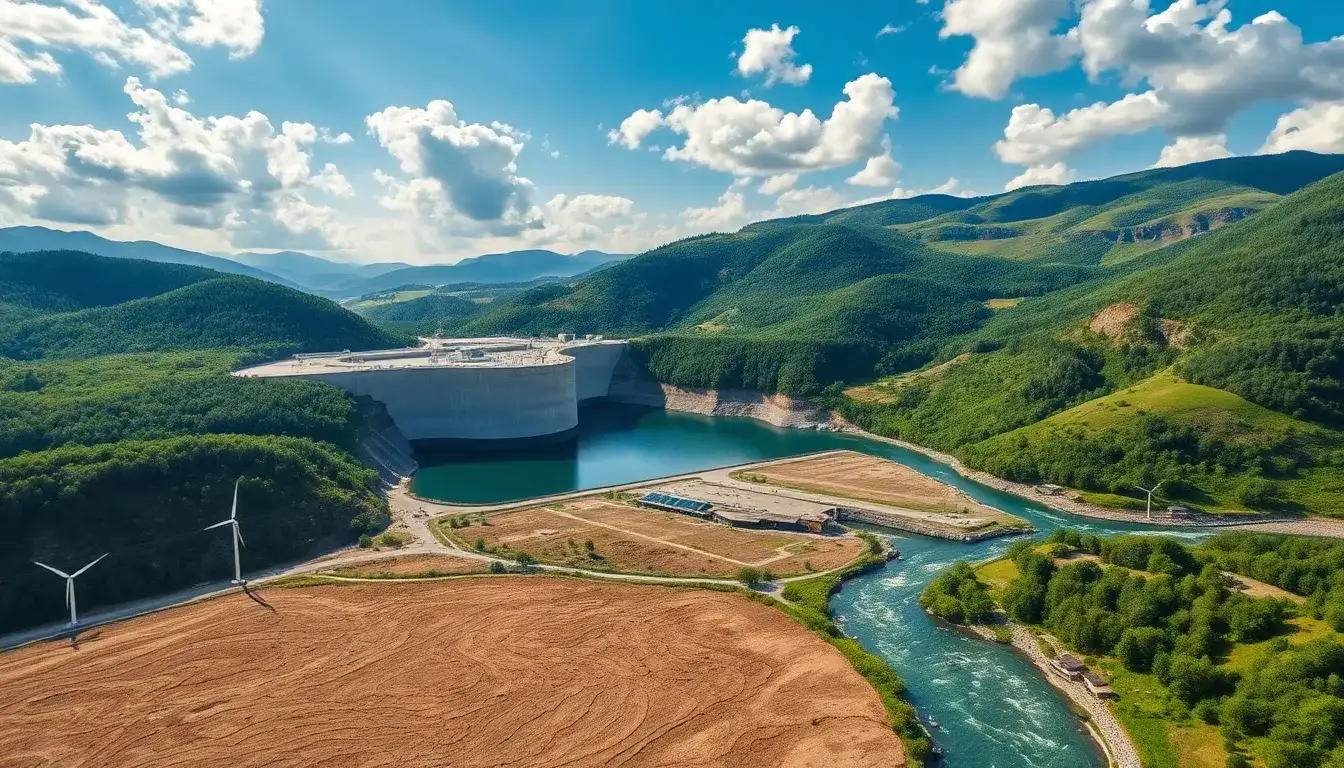
Pumped hydroelectric energy storage (PHES) plays a significant role in both flood control and drought management. Here’s how it contributes to these aspects:
Flood Control
- Reservoir Capacity Use: PHES facilities have two reservoirs, an upper and a lower one. During normal operation, these reservoirs are not filled to capacity at the same time. This spare capacity can be utilized to store floodwaters, helping to regulate and reduce flood peaks.
- Water Storage and Regulation: PHES plants can significantly enhance the water storage capacity of a basin. This allows conventional reservoir dams to focus on flood control during heavy precipitation events. Hybrid PHES plants can be designed to store energy under normal conditions and pump water during floods, further supporting flood mitigation efforts.
- Grid Resilience and Energy Availability: By managing floodwaters, PHES systems also contribute to grid stability and energy availability, which are crucial for sustaining economies during natural disasters.
Drought Management
- Water Conservation: During droughts, PHES facilities can manage water resources more efficiently. By storing water in the upper reservoir during periods of surplus, it can be released when needed, helping to maintain water levels and support ecosystems during dry periods.
- Irrigation Support: The water stored in PHES reservoirs can also be used for irrigation purposes, providing a steady supply of water to agricultural areas during droughts, thereby supporting food production and rural livelihoods.
- Hydroelectric Power Generation: PHES generates power using stored water, which can be particularly valuable during droughts when river flow may be reduced, impacting traditional hydroelectric power plants. This stable power supply helps in maintaining energy security.
Overall, PHES offers a dual benefit by mitigating flood risks while also supporting drought management through efficient water resource management.
Original article by NenPower, If reposted, please credit the source: https://nenpower.com/blog/how-does-pumped-hydroelectric-energy-storage-contribute-to-flood-and-drought-control/

