

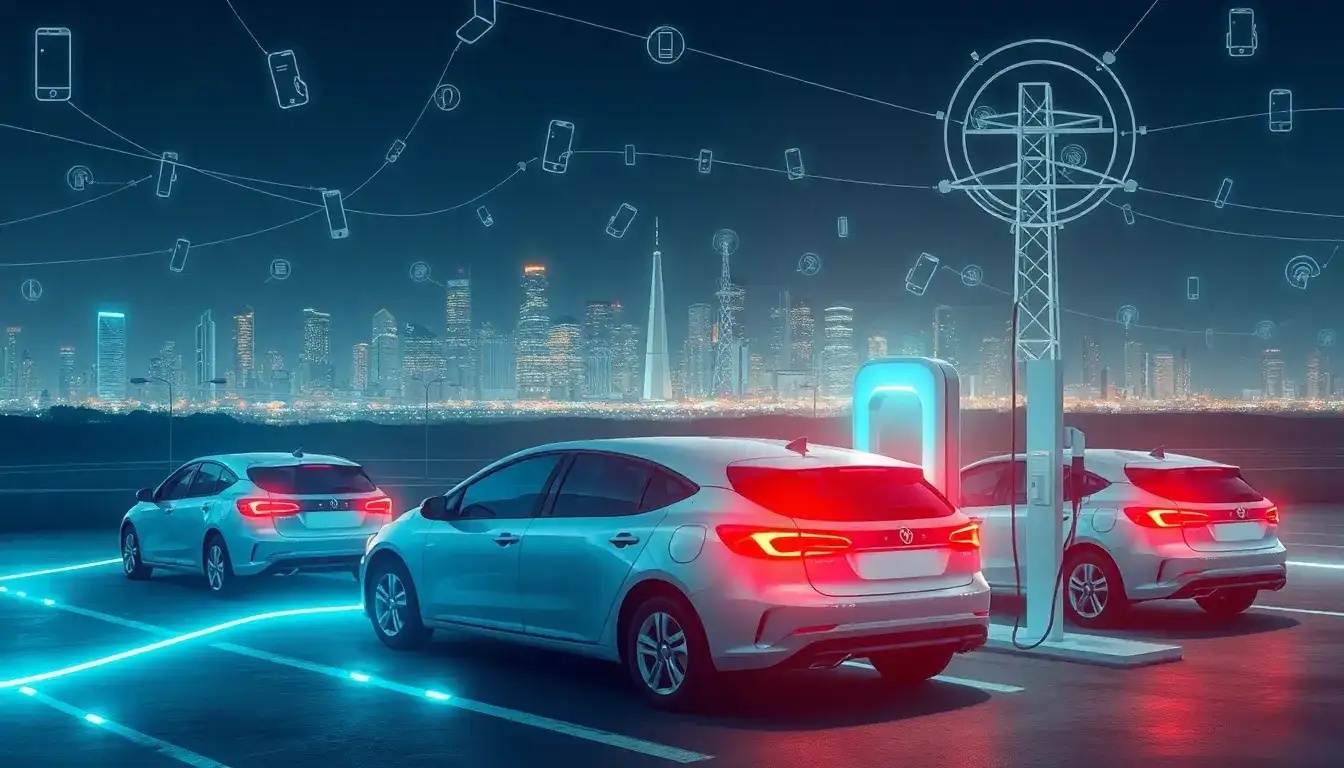
EV charging reliability is significantly affected by poor connectivity, with 55% of charging session failures directly linked to connectivity issues. This problem arises because most stations rely on cellular networks for critical functions like authentication, payment processing, and real-time data transmission. When connectivity fails, stations cannot authorize users, process payments, or report operational statuses, leading to inaccessible chargers and frustrated drivers.
Key impacts include:
- Payment failures: Inability to process transactions via apps or credit card readers, forcing drivers to abandon sessions.
- Station unavailability: Offline stations cannot be located or reserved through apps, reducing usable infrastructure.
- Maintenance delays: Connectivity issues prevent real-time alerts about malfunctions, prolonging downtime.
Solutions like eSIM technology allow stations to switch networks automatically, ensuring uninterrupted connectivity, while IoT-specific hardware reduces latency and enables real-time diagnostics. These improvements are critical as charging networks expand to meet growing EV adoption.
Original article by NenPower, If reposted, please credit the source: https://nenpower.com/blog/how-does-poor-connectivity-affect-ev-charging-reliability/

