

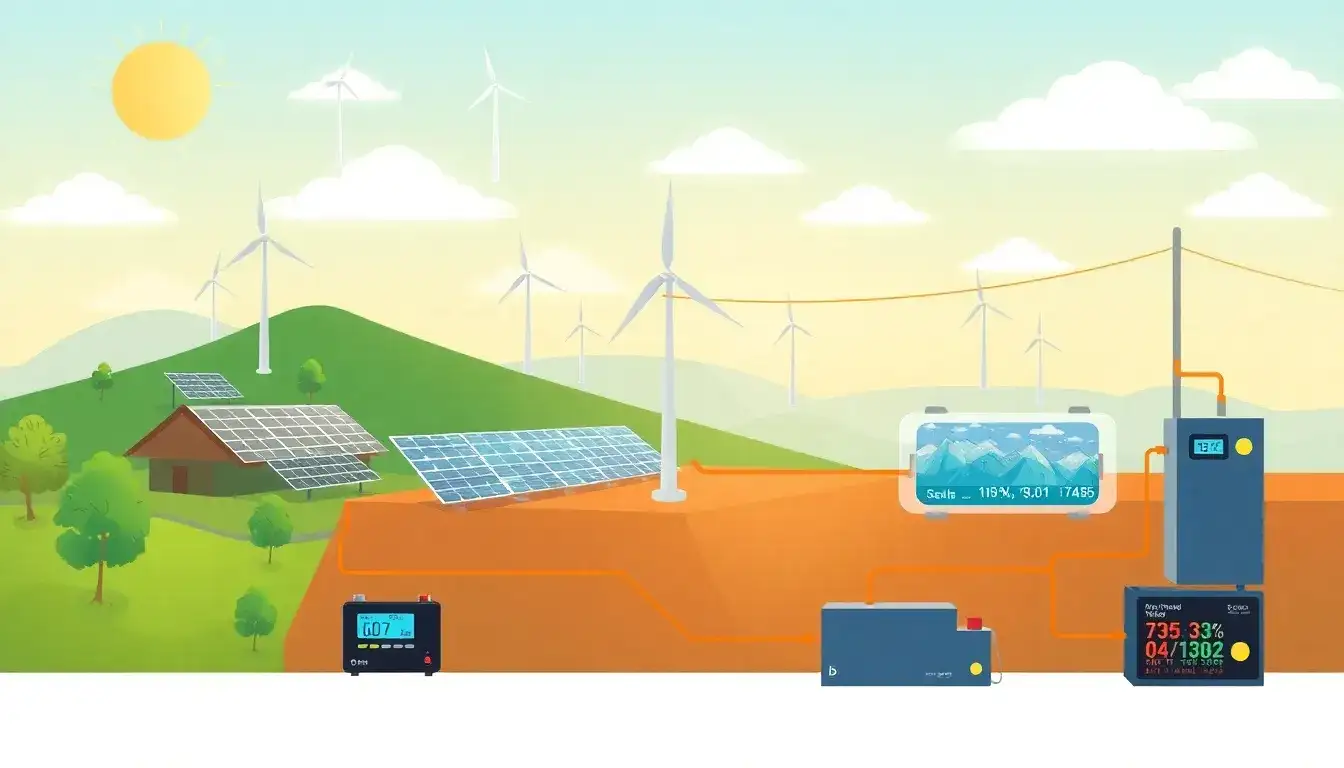
Peak Shaving in Conjunction with Renewable Energy Sources
Peak shaving is an energy management strategy that involves reducing electricity consumption from the grid during periods of high demand, typically by utilizing on-site energy sources or stored energy to meet peak loads. This approach is crucial when integrating renewable energy sources because it helps manage the fluctuations in supply and demand.
How Peak Shaving Works with Renewables
- Integration of Renewables: Renewable energy sources like solar panels and wind turbines are intermittent by nature. They generate electricity when conditions are favorable but may not produce energy at all during periods of low sunlight or wind.
- Energy Storage Systems (BESS): Battery Energy Storage Systems (BESS) are central to peak shaving strategies when combined with renewables. These systems store excess energy generated by solar panels or wind turbines during periods of low demand or when production exceeds immediate needs.
- Discharging During Peaks: The stored energy in BESS is discharged during peak demand periods when electricity costs are highest. This process helps reduce the strain on the grid and avoids high demand charges, which can significantly impact commercial and industrial energy bills.
- Maintaining Grid Stability: By using stored renewable energy during peak times, peak shaving helps maintain grid stability and resilience. This is especially important as more variable renewable energy sources are integrated into the grid.
Benefits of Combining Peak Shaving with Renewables
- Cost Savings: Reduces demand charges by avoiding peak grid usage.
- Renewable Integration: Enhances the reliability of intermittent renewable energy sources by storing excess energy for later use.
- Grid Resilience: Contributes to maintaining grid stability during high demand periods.
Examples of Applications
- Solar Power: Excess energy from solar panels can be stored in batteries during the day and used during evening peaks when solar production is low.
- Wind Energy: Similarly, excess wind-generated electricity can be stored for use during periods when wind speeds are low.
By combining peak shaving strategies with renewable energy sources and energy storage systems, businesses can optimize their energy use, reduce costs, and contribute to a more sustainable and resilient energy system.
Original article by NenPower, If reposted, please credit the source: https://nenpower.com/blog/how-does-peak-shaving-work-in-conjunction-with-renewable-energy-sources/

