

Peak Shaving and Renewable Energy Integration
Overview
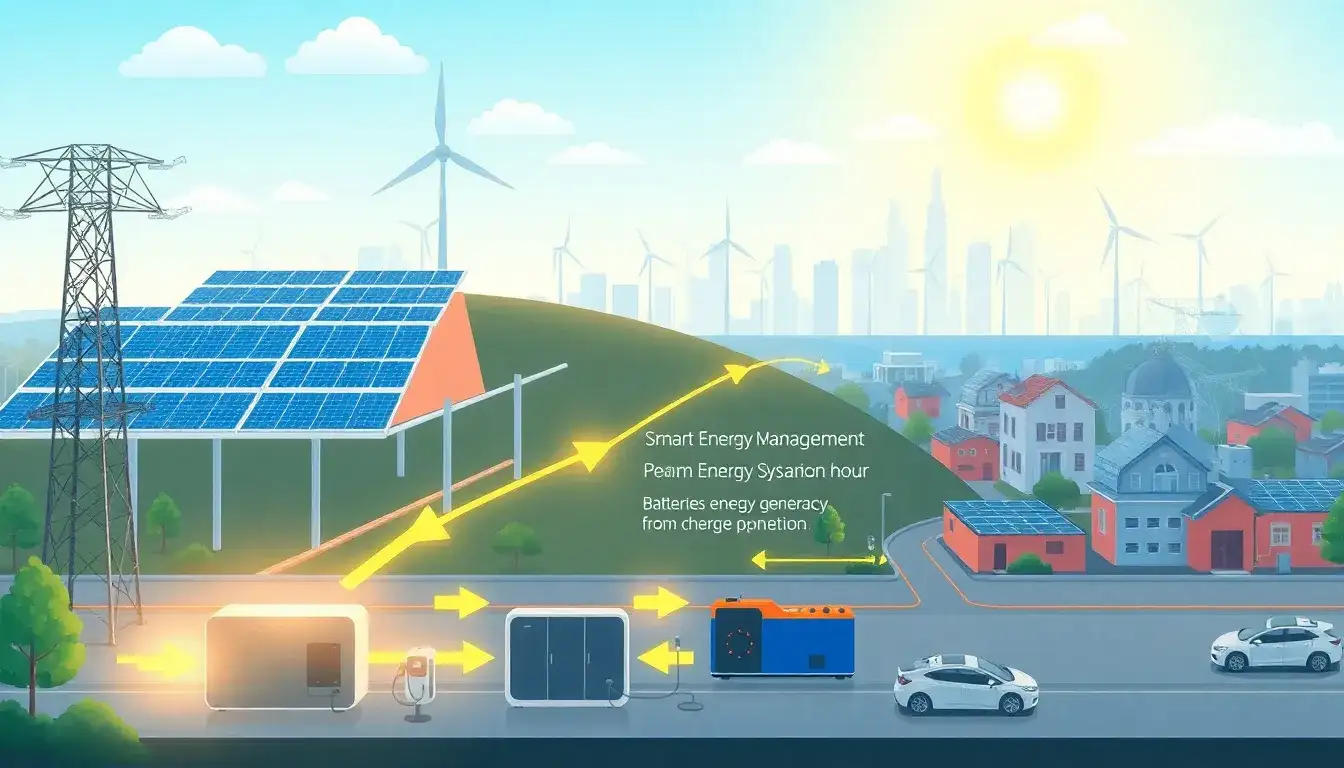
Peak shaving is a strategy used to reduce electricity consumption during periods of high demand, helping maintain grid stability and reduce costs. It often involves using battery energy storage systems (BESS) to store excess energy generated by renewable sources like solar and wind, which can then be used during peak demand times.
Mechanism of Peak Shaving with Renewables
- Storage of Excess Energy: During periods when renewable energy sources such as solar panels or wind turbines produce more energy than needed, the excess energy is stored in battery systems. This stored energy can come from both on-site generation and grid electricity during off-peak hours.
- Discharging During Peak Hours: When demand peaks, the stored energy in the battery systems is discharged to supply the load, thereby reducing reliance on the grid and shaving off the peak demand spikes.
- Combining Renewable Energy with On-Site Generation: In facilities with both renewable energy sources and on-site generation (e.g., natural gas generators), peak shaving can optimize energy use by leveraging stored renewable energy during peak hours and supplementing with other energy sources as needed.
Benefits of Integration
- Cost Savings: Reduces demand charges, which can be a significant portion of electricity costs for commercial customers.
- Grid Stability: Helps prevent grid congestion by managing peak demand.
- Renewable Energy Utilization: Enhances the integration and utilization of intermittent renewable sources.
- Flexibility and Resilience: Offers backup power during outages and supports a net-zero energy future.
Challenges and Opportunities
While integrating peak shaving with renewables offers numerous benefits, challenges include the variability of renewable energy production and the need for advanced energy management systems to optimize storage and discharge. Opportunities arise from using energy arbitrage strategies alongside peak shaving to further optimize energy costs and efficiency.
In summary, peak shaving effectively integrates with renewable energy by storing excess energy generated during periods of low demand for use during peak hours, reducing reliance on the grid and supporting grid stability and cost savings.
Original article by NenPower, If reposted, please credit the source: https://nenpower.com/blog/how-does-peak-shaving-integrate-with-renewable-energy-sources/

