

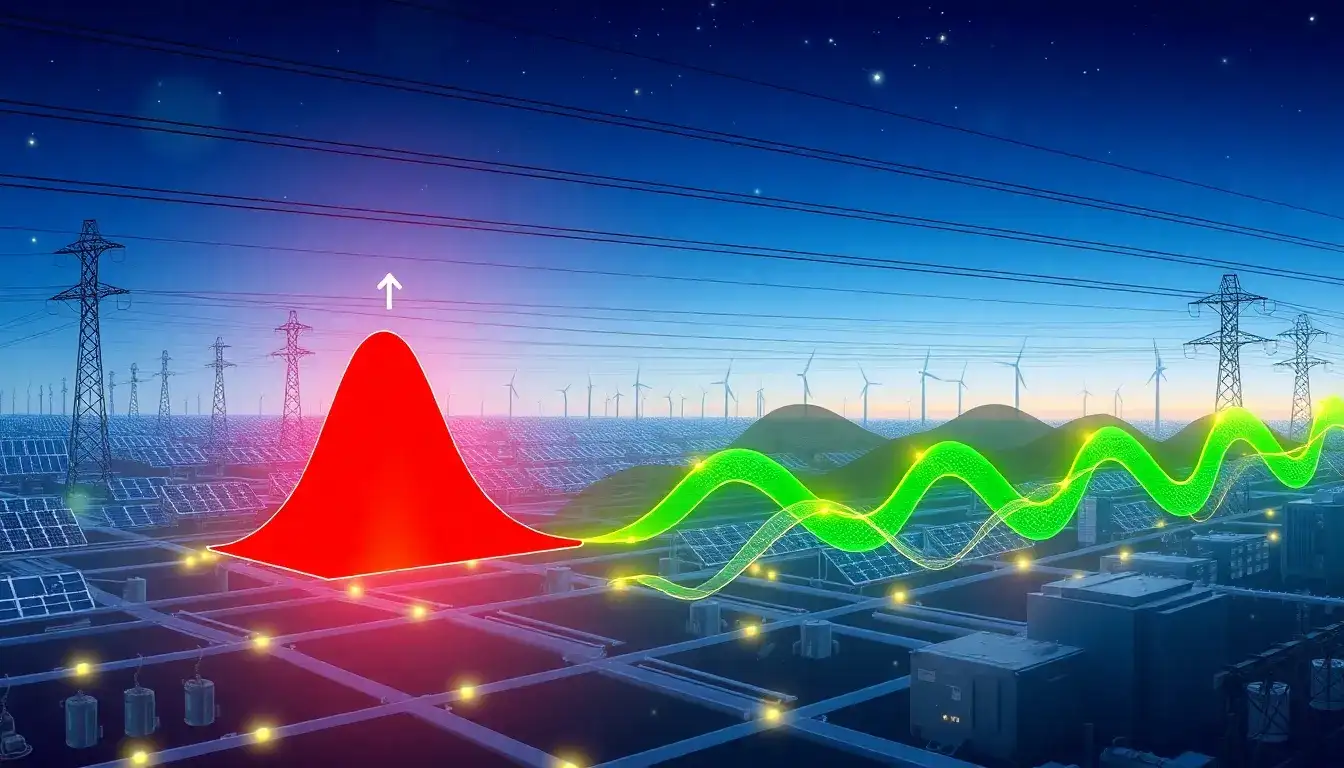
Role of Peak Shaving in Grid Stability
- Reducing Demand Spikes: Peak shaving involves reducing electricity consumption during peak hours to prevent sudden spikes in demand. This helps prevent grid overloads that can lead to power outages or frequency fluctuations.
- Energy Storage Utilization: Battery Energy Storage Systems (BESS) are key tools in peak shaving. They store energy during off-peak times and release it during peak hours, thereby reducing the load on the grid and preventing demand spikes.
- Enhancing Grid Flexibility: By integrating stored energy from sources like batteries, solar, or wind, peak shaving supports grid flexibility. This is crucial for managing variability in renewable energy generation and ensuring consistent power supply.
- Cost and Infrastructure Benefits: Peak shaving reduces the need for costly infrastructure upgrades to handle peak loads, as well as the reliance on expensive peaking power plants. This helps in maintaining grid resilience and reducing operational costs.
- Promoting Renewable Integration: By storing excess renewable energy generated during off-peak times, peak shaving facilitates its use during peak demand periods. This supports the integration of more renewable sources into the grid, contributing to a more sustainable energy system.
Benefits of Peak Shaving
- Mitigates Blackouts: Peak shaving reduces the strain on the grid during high demand periods, decreasing the likelihood of power outages.
- Economic Savings: Helps reduce demand charges for commercial and industrial consumers by lowering the peak consumption levels.
- Environmental Impact: Facilitates greater use of renewable energy sources, which contributes to reduced carbon emissions.
Overall, peak shaving is an essential strategy for maintaining grid stability by managing demand efficiently, reducing the strain on infrastructure, and ensuring a smoother integration of renewable energy sources.
Original article by NenPower, If reposted, please credit the source: https://nenpower.com/blog/how-does-peak-shaving-contribute-to-grid-resilience-and-stability/

