

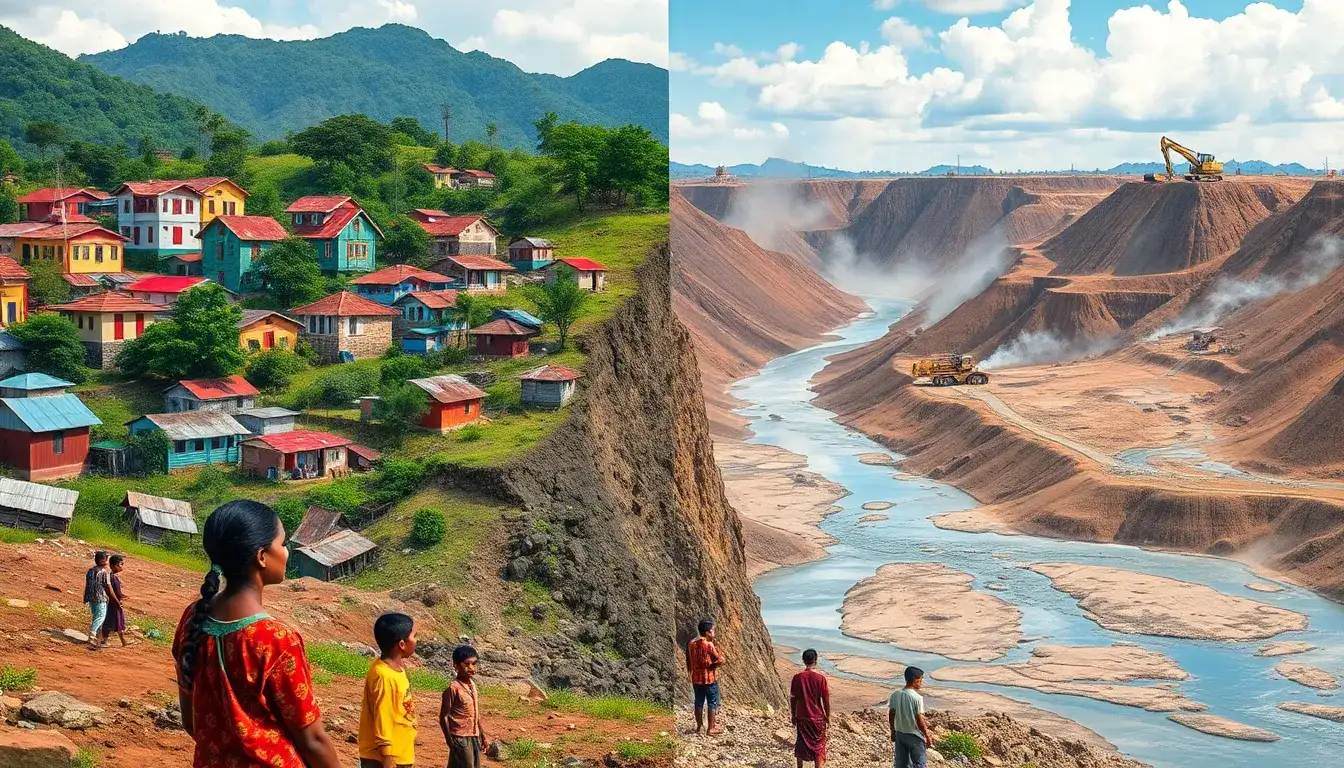
Nickel mining significantly impacts local communities in several ways, both positively and negatively, depending on factors like resource accessibility and regional policies. Here’s a breakdown of these effects:
Negative Impacts
- Environmental Damage: Nickel mining is often linked to deforestation, which leads to habitat destruction and disrupts local ecosystems. This can result in reduced wildlife populations and increased risks of mining-related disasters such as landslides and flash floods.
- Water Pollution: Heavy metals from nickel mines can contaminate waterways, affecting aquatic life and human health. Communities may experience declining water quality, impacting freshwater sources and the livelihoods of fisherfolk.
- Health Risks: Exposure to heavy metals and particulates from mining operations can cause respiratory issues (e.g., asthma, breathing difficulties), skin diseases, and eye irritation.
- Social Conflict: Land acquisition and environmental impacts often lead to conflicts within communities, affecting social well-being.
Positive Impacts
- Economic Benefits: Nickel mining can generate revenue that contributes to improved infrastructure and living conditions in nearby communities. This includes investments in public goods like water systems and transportation networks.
- Development Opportunities: In some areas, especially those with high poverty levels, mining revenue can provide vital development opportunities, helping to alleviate poverty through job creation and improved services.
Overall, while nickel mining offers crucial economic benefits, its environmental and social impacts demand careful management to ensure sustainable development and protect vulnerable communities.
Original article by NenPower, If reposted, please credit the source: https://nenpower.com/blog/how-does-nickel-mining-impact-local-communities/

