

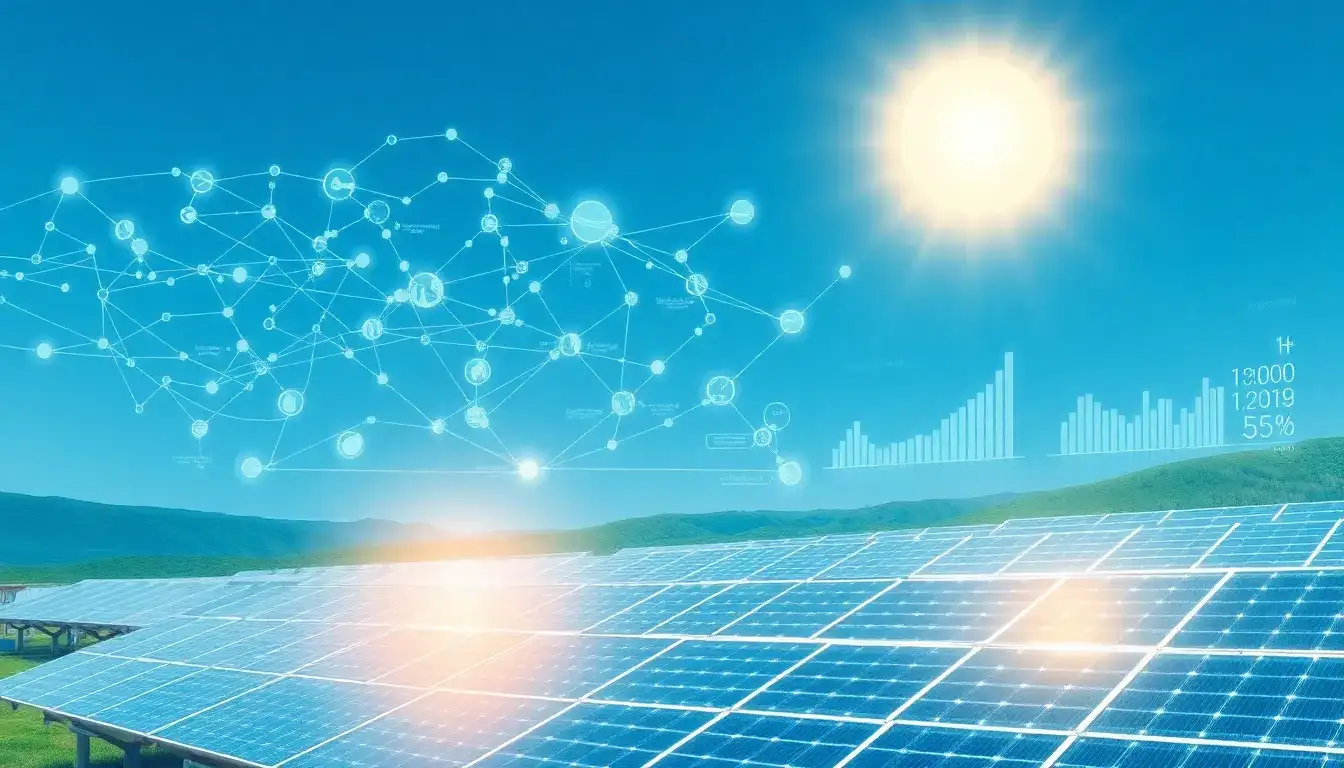
Machine learning improves the accuracy of solar energy predictions through several key strategies:
1. Utilization of Advanced Algorithms
Machine learning models, such as Gradient Boosting Regressor (GB), XGB Regressor (XGBoost), LightGBM (LGBM), CatBoost Regressor, and K-Neighbors Regressor (KNN), are used to analyze complex data patterns. These models can effectively handle large datasets, including historical solar output and various weather conditions like temperature, humidity, wind speed, and cloud cover.
2. Post-Processing Techniques
Research indicates that applying post-processing techniques, especially to power forecasts, can significantly enhance prediction accuracy. Adjusting forecasts after they have been generated or using machine learning directly to predict solar power from weather data can correct errors inherited from imperfect weather forecasts.
3. Incorporation of Time as a Factor
Including the hour of the day in predictive models improves accuracy. Training separate models for each hour or integrating time into algorithms capitalizes on the variability of solar energy generation throughout the day.
4. Handling Complex Interactions with SHAP Analysis
SHAP (SHapley Additive exPlanations) analysis helps uncover how different input variables influence predictions. For solar energy, ambient temperature and humidity are identified as significant factors, allowing for more focused data collection and model refinement.
5. Integration of Weather and Historical Data
Machine learning models leverage historical solar output data and real-time weather information to deliver precise predictions. This approach enables energy managers to optimize energy systems effectively, reducing costs and enhancing efficiency.
6. Bypassing Traditional Models
Directly predicting solar power from weather data using machine learning can eliminate the need for detailed solar plant design knowledge, making it a practical solution for various solar installations.
7. Accuracies Achieved
Studies have shown high accuracies for machine learning models in solar energy forecasting. For example, one model achieved a 94.9% accuracy, outperforming traditional methods. Another study reported near optimal performance with a high R-squared value in specific prediction windows.
By addressing the complexity of solar energy generation with advanced algorithms and data integration, machine learning significantly enhances the accuracy and reliability of solar energy predictions, supporting the efficient integration of solar power into the energy grid.
Original article by NenPower, If reposted, please credit the source: https://nenpower.com/blog/how-does-machine-learning-improve-the-accuracy-of-solar-energy-predictions/

