

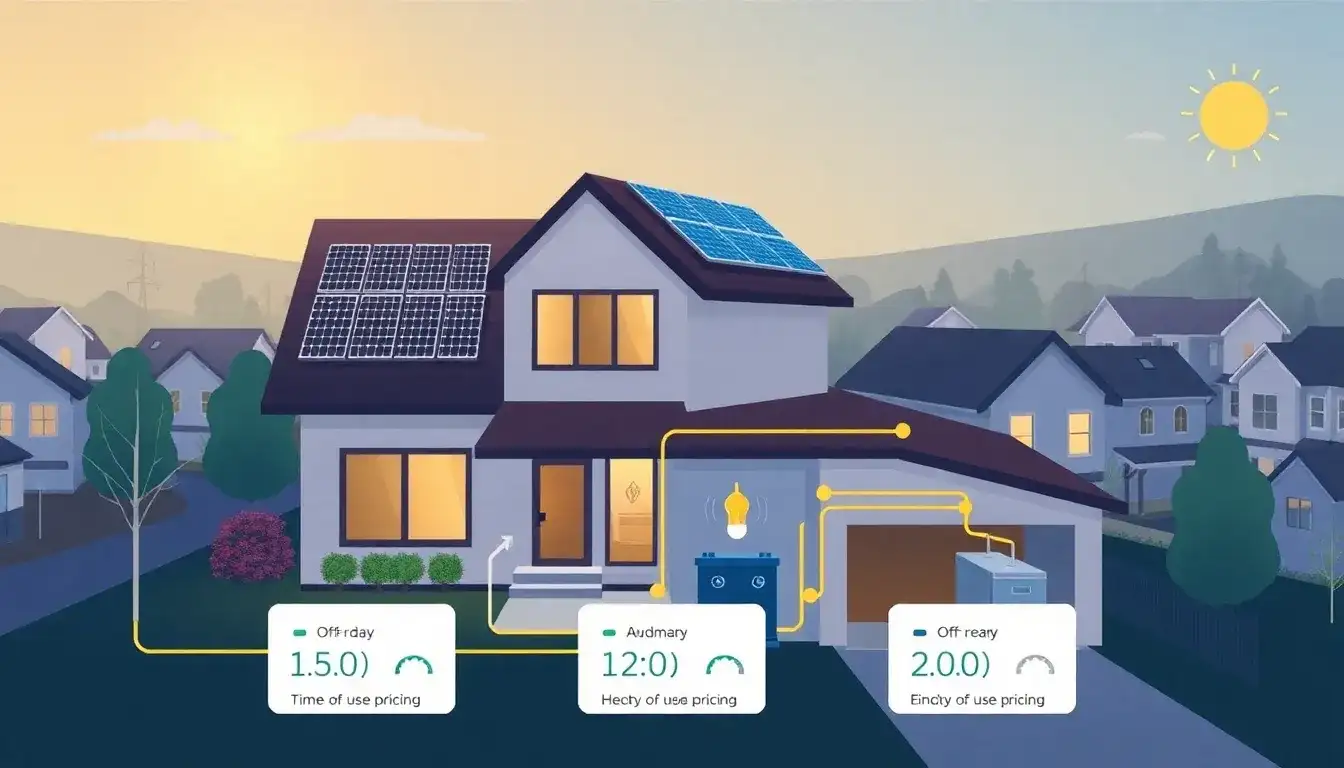
Load shifting with residential energy storage systems is a valuable technique for managing electricity consumption efficiently. It involves moving energy use from peak hours, when electricity rates are higher, to off-peak hours, when rates are lower. Here’s a breakdown of how load shifting works with residential energy storage systems:
How Load Shifting Works
Load shifting is a strategy that redistributes energy consumption from high-demand times to low-demand times, reducing reliance on the grid during peak hours when energy costs are highest.
Components of Residential Energy Storage Systems
Residential energy storage systems typically consist of:
- Batteries: Store excess energy generated from solar panels or during off-peak hours.
- Inverters: Convert stored energy into usable electricity for the home.
- Monitoring Systems: Provide real-time data on energy production and consumption, allowing homeowners to optimize energy use.
Benefits of Load Shifting with Energy Storage
- Reduced Energy Costs: By storing energy during off-peak hours and using it during peak hours, homeowners can avoid higher electricity rates, leading to significant cost savings.
- Increased Energy Independence: These systems allow for backup power during outages, ensuring essential appliances continue to operate.
- Enhanced Renewable Energy Use: Batteries can store excess energy from solar panels, enabling the effective use of renewable energy even when it’s not being generated.
How Load Shifting is Implemented
- Energy Storage Charging: Batteries are charged during off-peak hours when electricity is cheaper or when solar panels are generating excess energy.
- Discharge During Peak Hours: Stored energy is used during peak hours to reduce grid reliance and avoid high energy costs.
- Smart Home Systems: Technologies like smart panels can automate load shifting based on energy pricing and availability.
Overall, load shifting with residential energy storage systems is a cost-effective and sustainable way to manage energy consumption while optimizing the use of renewable energy sources.
Original article by NenPower, If reposted, please credit the source: https://nenpower.com/blog/how-does-load-shifting-work-with-residential-energy-storage-systems/

