

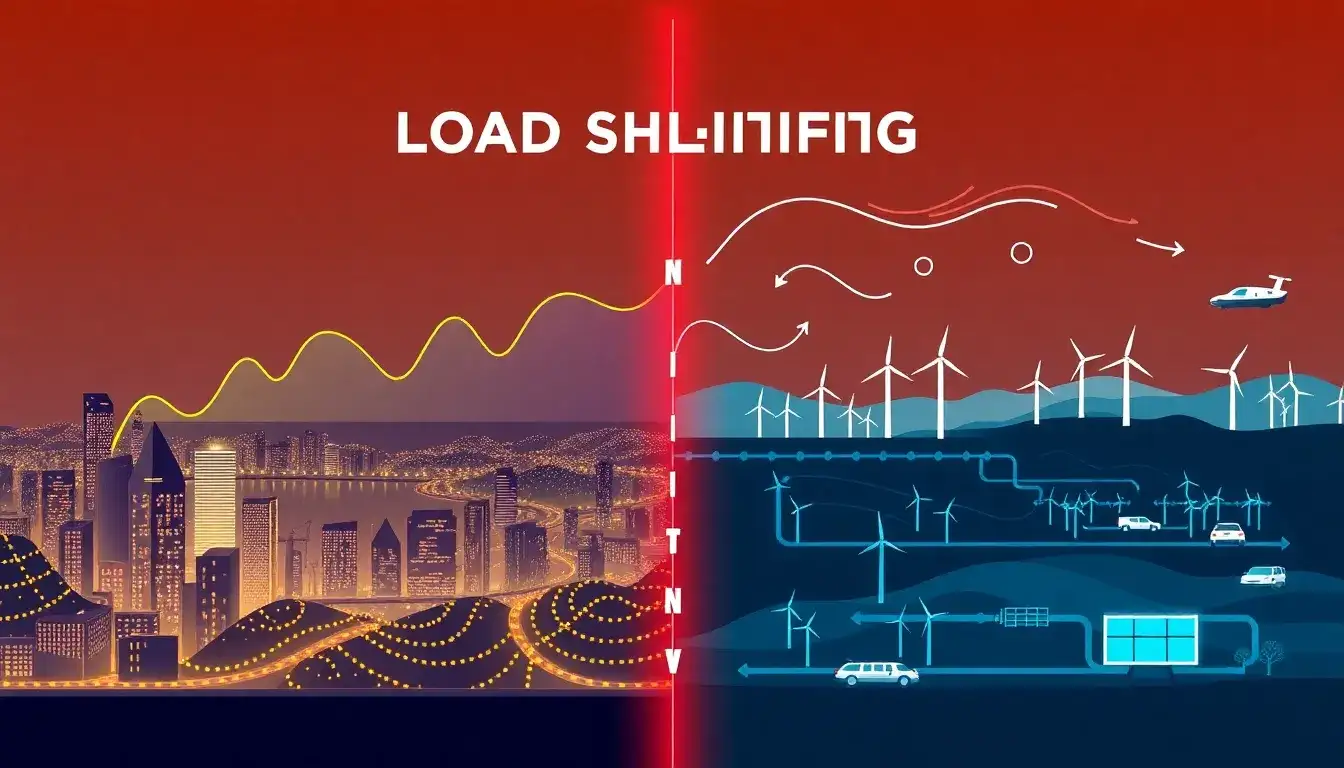
Impact of Load Shifting on Grid Stability
Load shifting is a crucial technique for managing electricity demand on the grid, particularly during periods of high energy consumption. By redistributing electricity usage from peak hours to off-peak times, load shifting contributes significantly to maintaining grid stability and resilience. Here’s how:
Benefits of Load Shifting for Grid Stability
- Reduces Peak Demand Pressure: Moving non-essential energy consumption to off-peak hours reduces the strain on the grid during peak times. This helps prevent overloads that could lead to power outages or equipment failure.
- Enhances Grid Efficiency: Load shifting optimizes grid operation by smoothing out the demand curve, ensuring that energy distribution is more balanced and manageable. This efficiency reduces the need for costly infrastructure upgrades and extends the lifespan of existing grid infrastructure.
- Supports Renewable Energy Integration: Load shifting can align well with renewable energy sources like solar or wind, which often have variable output. By shifting demand to match renewable energy availability, the grid can better incorporate these clean energy sources without reducing grid stability.
- Encourages Cost Efficiency: By taking advantage of lower energy prices during off-peak times, consumers and businesses can reduce their energy costs. This economic incentive helps maintain a stable and efficient energy market, further supporting grid stability.
Role of Advanced Technologies
- Battery Energy Storage Systems (BESS): These systems play a key role in enabling effective load shifting by storing excess energy during off-peak hours and releasing it during peak demand periods. This capability helps maintain grid stability and ensures a smoother demand profile.
- Smart Grid Technologies: Advanced sensors and control systems in smart grids provide real-time data and dynamic management capabilities. These technologies enhance the precision of demand forecasting and improve the grid’s ability to respond to changes in energy demand, supporting load shifting strategies.
In summary, load shifting is a vital strategy for enhancing grid stability by mitigating peak demand spikes, optimizing energy use, and promoting the integration of renewable energy sources. When combined with advanced technologies like BESS and smart grid systems, load shifting provides a robust approach to maintaining a resilient and efficient electrical grid.
Original article by NenPower, If reposted, please credit the source: https://nenpower.com/blog/how-does-load-shifting-impact-overall-grid-stability/

