Environmental Impacts
- Water Depletion and Contamination: Traditional lithium mining methods, such as brine evaporation, consume massive amounts of fresh water, which is particularly problematic in arid regions. Water sources can be contaminated by the chemicals used in the extraction process, such as sulfuric acid and sodium hydroxide, endangering both human populations and local wildlife.
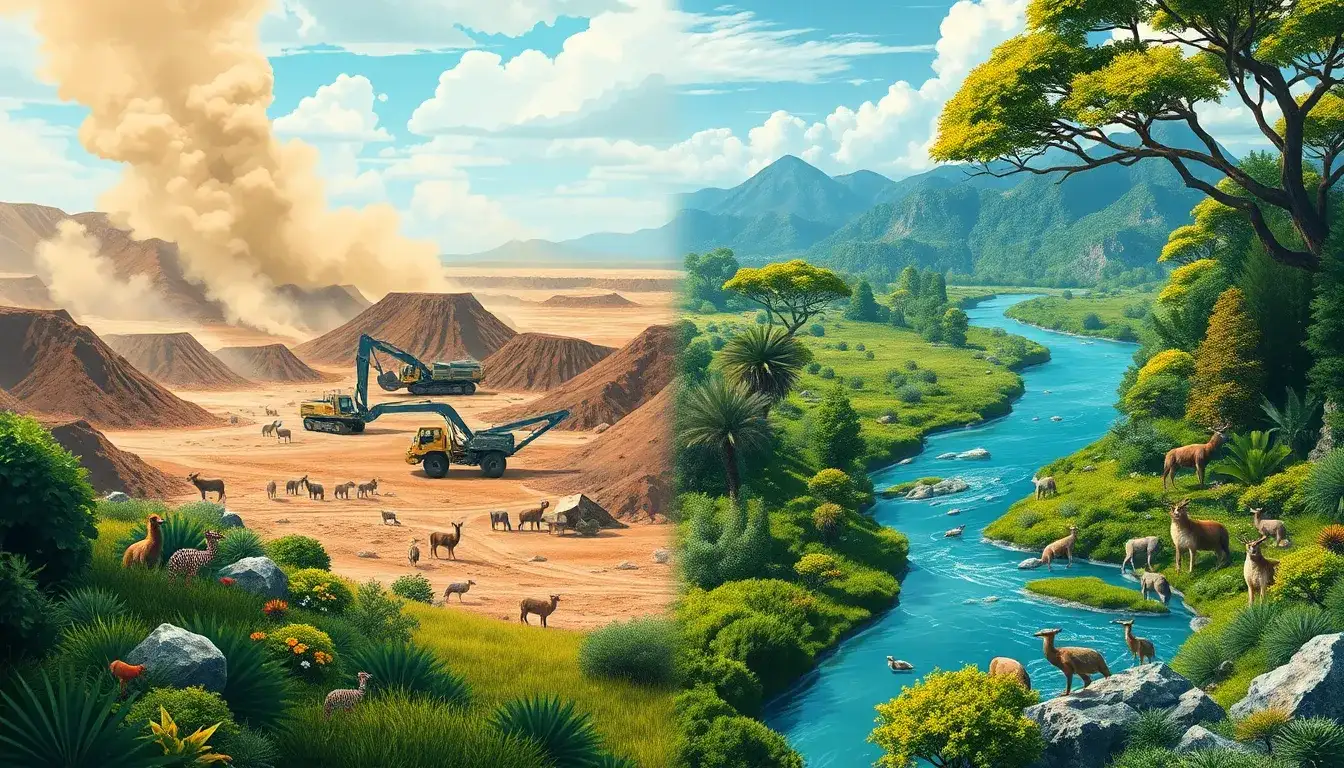
- Loss of Biodiversity: The process not only contaminates water bodies but also leads to habitat destruction. This can threaten species and disrupt the delicate balance of ecosystems. For example, lithium mining in Chile has been linked to threatening two flamingo species.
- Land Disturbance: Open-pit mining displaces wildlife and alters natural landscapes, making recovery a long and difficult process.
- Chemical Pollution: Chemicals used in lithium extraction can penetrate the soil and water, posing significant risks to local ecosystems and species.
- Greenhouse Gas Emissions: Lithium mining contributes to greenhouse gas emissions, which are partly responsible for climate change. The carbon footprint of lithium extraction is substantial, often overshadowing the emissions saved by using electric vehicles.
Social Impacts
Lithium mining frequently affects Indigenous communities and lands. In the United States, a significant portion of lithium deposits are located near Native American reservations, raising concerns about human rights and the lack of enforcement of Free, Prior, and Informed Consent (FPIC).
Sustainable Alternatives
To mitigate these impacts, innovative approaches are being developed, such as using wastewater from oilfields and geothermal sources for lithium extraction. This method reduces carbon emissions and preserves freshwater resources, offering a more sustainable path forward for lithium mining.
Original article by NenPower, If reposted, please credit the source: https://nenpower.com/blog/how-does-lithium-mining-affect-local-ecosystems/