

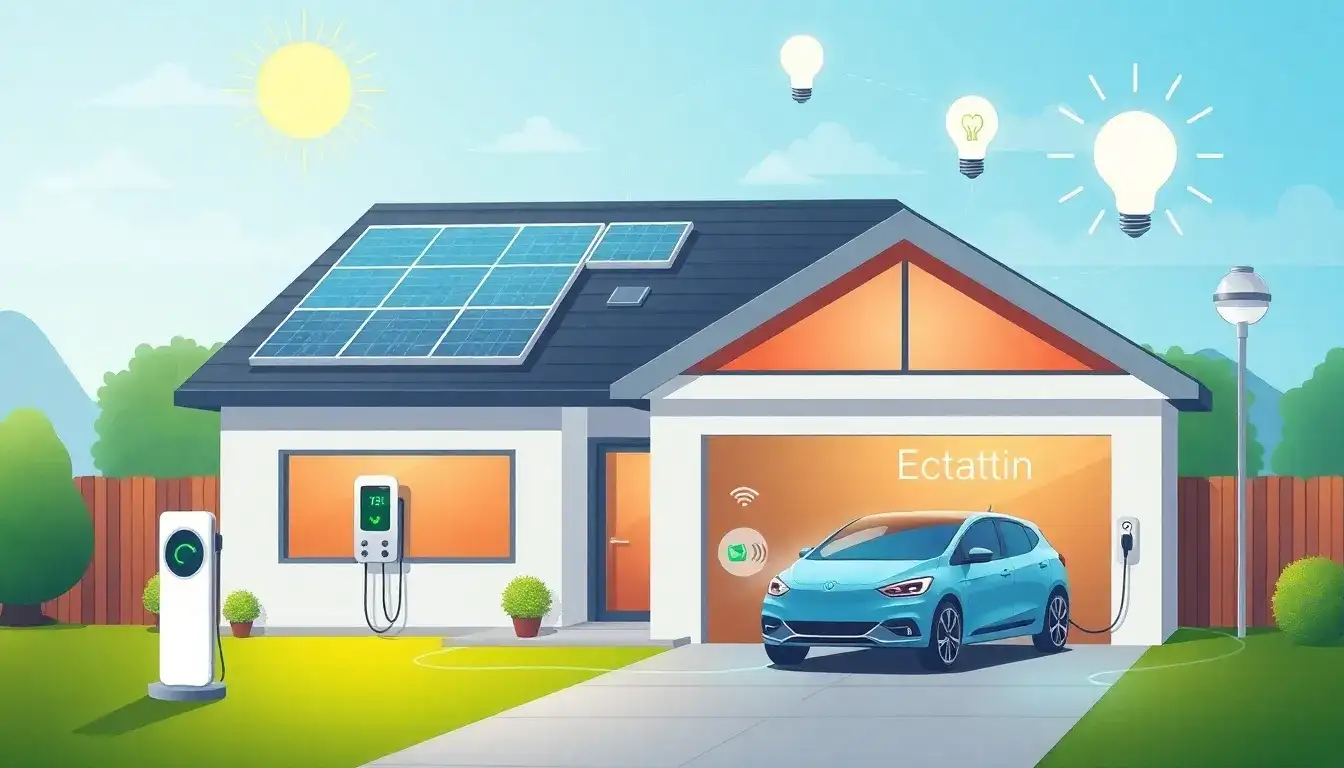
Integration with Smart Home Systems
- Energy Management and Load Balancing:
- Smart Charging: Smart home systems can manage energy consumption across EV chargers, appliances, and possibly solar panels or battery storage. This ensures that the overall power usage remains within safe limits, preventing overloads on the electrical system.
- Load Balancing: Chargers like the Emporia Level 2 EV Charger feature load management capabilities, ensuring that charging does not overload the home’s electrical system.
- Scheduled Charging:
- Smart home systems can schedule charging sessions based on user preferences, aligning with energy management goals or optimizing for off-peak electricity rates. This allows homeowners to charge their EVs at the most cost-effective times.
- Dynamic Charging Based on Electricity Tariffs:
- Smart homes can monitor real-time electricity tariffs and adjust charging schedules accordingly. This optimization enables homeowners to charge during periods when electricity is cheaper, saving money through time-of-use pricing plans.
- Integration with Renewable Energy Sources:
- Smart home systems facilitate the integration of EV charging with renewable energy sources like solar panels. This allows homeowners to charge their EVs using clean energy, reducing their carbon footprint.
- Smart Apps and Controls:
- Chargers like ChargePoint Home Flex offer smart app integration, allowing users to control both home and public charging from a single platform. This simplifies the charging experience and keeps users connected to the broader EV charging network.
These features bring about enhanced convenience, cost savings, and a more sustainable approach to EV charging by leveraging smart home technologies.
Original article by NenPower, If reposted, please credit the source: https://nenpower.com/blog/how-does-level-2-charging-integrate-with-smart-home-systems/

