

How IoT Detects Early Damage in Solar Panels
1. Deployment of Sensors on Solar Panels
Wireless sensor nodes are installed directly on solar panels to continuously monitor electrical parameters (such as voltage, current, and power output), as well as environmental conditions like temperature, irradiance, and humidity. These sensors gather detailed real-time data about the panel’s operational status.
2. Real-Time Data Transmission and Analysis
The collected sensor data is wirelessly transmitted to a central system or cloud platform where it is continuously analyzed. IoT platforms use data analytics and machine learning models to detect patterns that indicate faults or degradation. These faults could be due to shading, soiling (dust or dirt accumulation), micro-cracks, electrical connection issues, or external environmental impacts.
3. Fault Detection Algorithms and Machine Learning
Fuzzy logic-based fault detection algorithms and machine learning models process the incoming sensor data to diagnose specific issues affecting the panels. These algorithms can identify abnormal patterns such as drops in power output, sudden temperature variations, or irregular electrical behaviors that signify early-stage damage or inefficiencies.
4. Predictive Maintenance and Early Alerts
By monitoring subtle changes over time, IoT systems enable predictive maintenance, meaning they can forecast potential failures before they become significant problems. This early detection allows owners and operators to intervene with maintenance or repairs proactively, thus avoiding costly damage or system downtime. Alerts and detailed performance insights can be sent directly to smartphones or operational dashboards, providing actionable information immediately.
5. Use of Computer Vision and AI for Physical Damage Detection
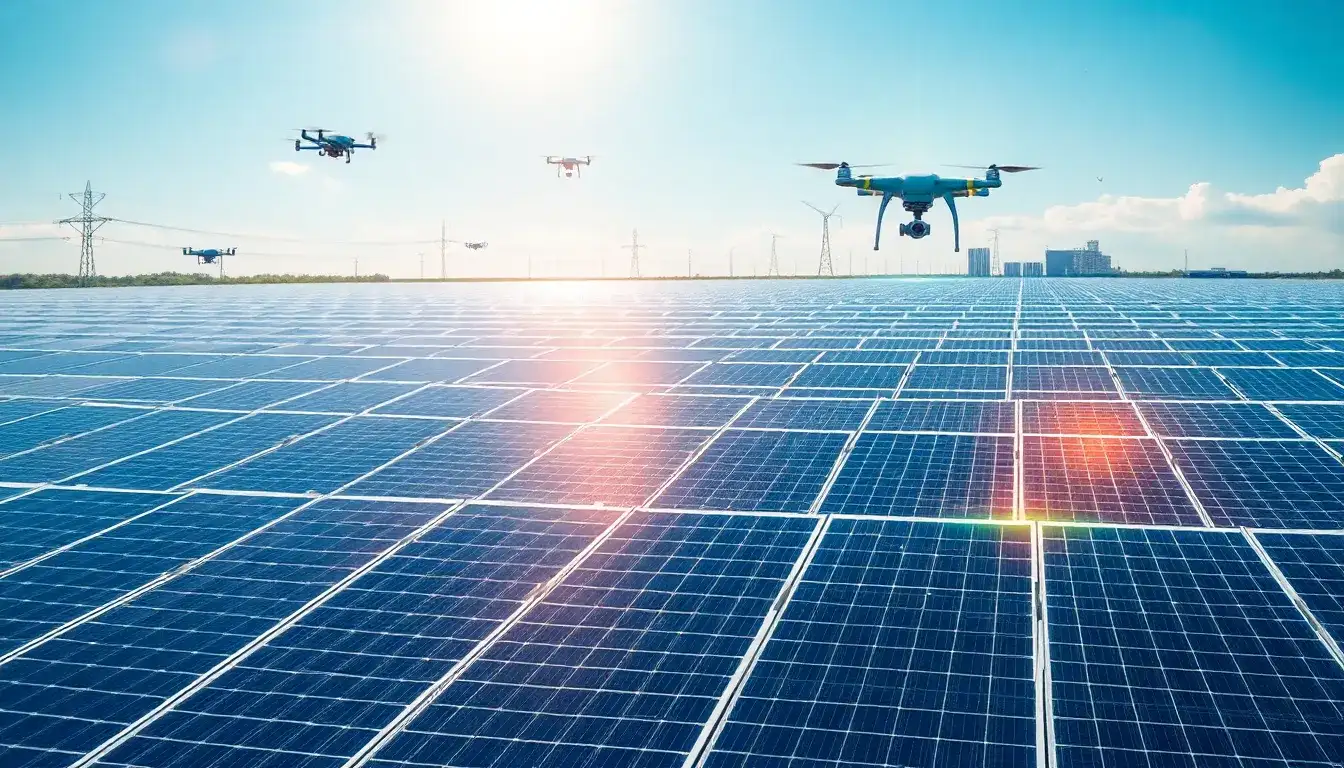
Beyond sensor data, some IoT solutions incorporate computer vision and AI through drones or cameras to visually inspect solar panels for physical damage like cracks or discoloration. These images are analyzed using machine learning models (such as Amazon Rekognition Custom Labels) to detect defects, complementing the sensor-based monitoring for a comprehensive damage detection approach.
Key Benefits of IoT-Based Early Damage Detection in Solar Panels
- Prevents up to 70% of common solar system failures by early identification of issues.
- Reduces maintenance costs by 25-30% due to timely interventions and optimized repair schedules.
- Extends the effective lifespan of solar panels by maintaining optimal performance and preventing cascading damage effects.
- Maintains consistent energy production by addressing faults like dust accumulation or micro-cracks early on.
- Enables non-invasive, continuous, and automated monitoring without the need for frequent manual inspections.
In summary, IoT technology in solar panel systems works by integrating advanced sensors, real-time monitoring, machine learning diagnostics, and AI-powered visual inspections to detect early signs of damage or faults. This comprehensive approach ensures timely maintenance actions that improve reliability, efficiency, and longevity of solar energy installations.
Original article by NenPower, If reposted, please credit the source: https://nenpower.com/blog/how-does-iot-technology-detect-early-signs-of-damage-in-solar-panels/

