

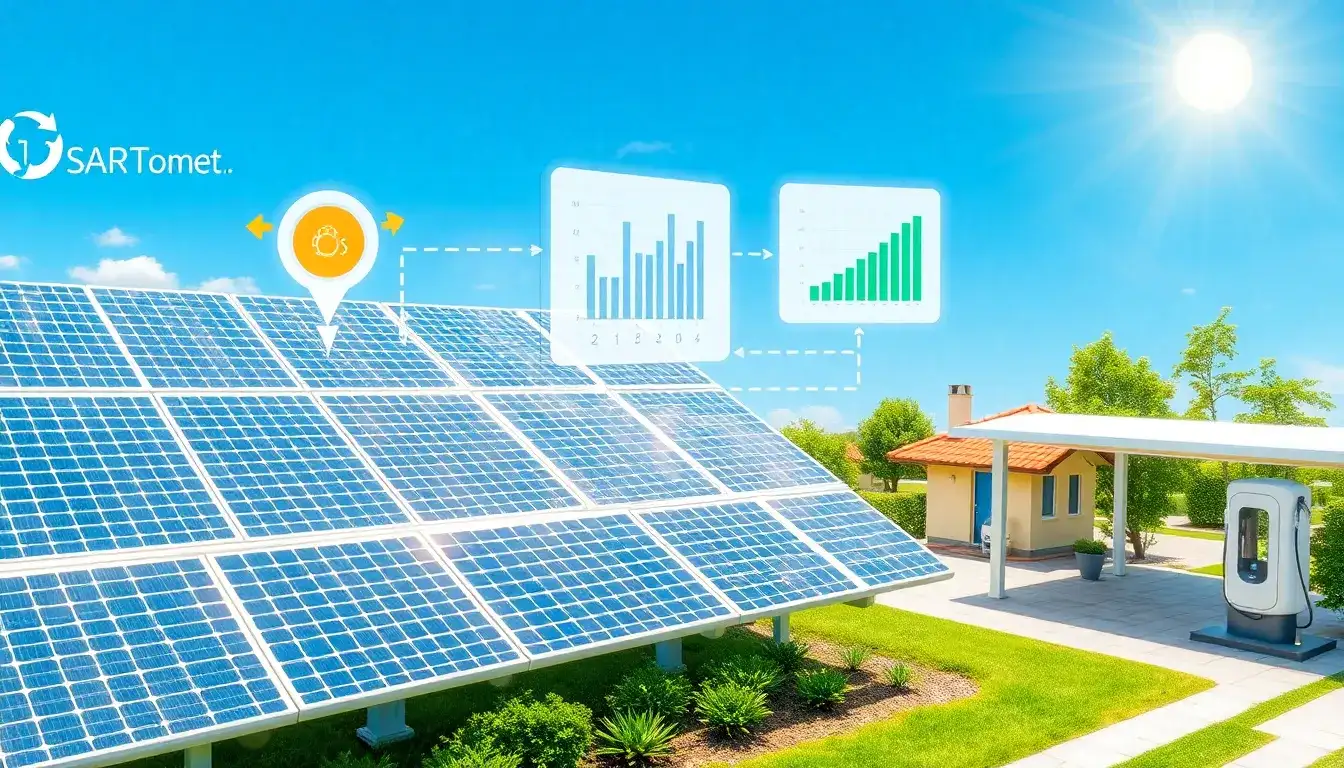
IoT integration significantly improves the overall efficiency of solar panel systems through multiple advanced capabilities:
Key Impacts of IoT Integration on Solar Panel Efficiency
Real-Time Monitoring and Data Analytics
IoT sensors installed on solar panels and inverters continuously collect data on parameters such as energy production, panel temperature, voltage, and current. This data is transmitted in real-time to cloud-based platforms where it is analyzed to assess performance and detect inefficiencies immediately. Users can track energy production and consumption live, enabling on-the-spot adjustments to optimize output and reduce waste.
Performance Optimization
By leveraging IoT analytics, solar systems can identify problems like shading, dirt accumulation, or malfunctioning panels early. This fine-grained performance insight allows operators or homeowners to take corrective measures quickly, ensuring panels generate maximum possible power. Smart inverters integrated with IoT can also optimize DC to AC conversion to increase overall system efficiency.
Predictive Maintenance
IoT-enabled predictive maintenance uses historical and real-time data to forecast potential equipment failures before they occur. This reduces downtime by allowing scheduled maintenance and repair activities at optimal times, lowering operational costs and extending the lifespan of solar components.
Remote Monitoring and Management
IoT connectivity facilitates remote system control and monitoring from anywhere via web or mobile dashboards. This capability enhances operational efficiency by supporting quick troubleshooting and system management without the need for physical presence on-site.
Integration with Smart Home and Grid Systems
IoT-enabled solar systems can integrate with home energy management systems (HEMS) and smart meters to balance energy production, storage, and consumption efficiently. Automated appliances can be programmed to run during peak solar production, reducing grid reliance and maximizing renewable energy use. Moreover, smart grids can dynamically manage distributed solar power resources for optimal energy distribution.
Summary Table of IoT Features Enhancing Solar Panel Efficiency
| Feature | Impact on Solar Efficiency |
|---|---|
| Real-Time Monitoring | Immediate performance adjustments to optimize energy output |
| Data Analytics | Identification of inefficiencies and performance trends |
| Performance Optimization | Detection of shading, dirt, or faults to maximize power |
| Predictive Maintenance | Scheduled repairs to minimize downtime and reduce costs |
| Remote Access | Convenient system control and troubleshooting from anywhere |
| Smart Integration | Balanced energy use with smart homes and grids |
In essence, IoT integration transforms solar panel systems from static setups into intelligent, adaptive networks capable of self-monitoring, optimizing, and self-maintaining. This leads to enhanced energy production, cost savings, reduced operational interruptions, and a more sustainable solar energy ecosystem.
Original article by NenPower, If reposted, please credit the source: https://nenpower.com/blog/how-does-iot-integration-impact-the-overall-efficiency-of-solar-panel-systems/

