

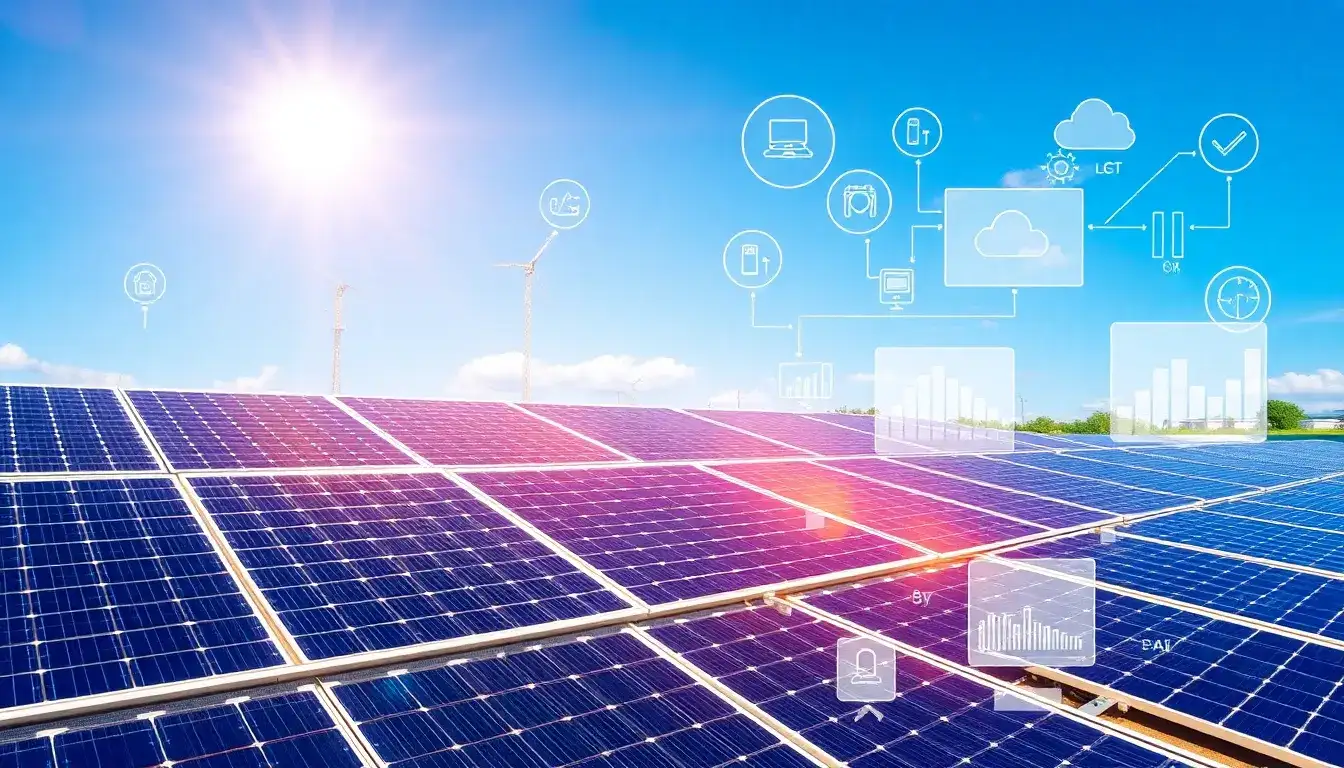
The integration of IoT technology in solar energy systems can have a mixed effect on costs, depending on several factors:
- Upfront Costs: Implementing IoT technology in solar systems involves significant initial investment. This includes costs for sensors, smart inverters, and other IoT-enabled components. These upfront expenses can increase the initial cost of solar energy systems.
- Long-Term Cost Savings: Over time, IoT integration can lead to substantial cost savings. IoT systems help optimize solar panel performance by:
- Improving Efficiency: IoT can adjust energy output based on current needs, reducing wasted energy and enhancing overall efficiency.
- Predictive Maintenance: IoT allows for real-time monitoring and predictive maintenance, which helps avoid expensive repairs and reduces downtime.
- Reduced Energy Loss: Real-time performance monitoring minimizes energy loss, ensuring that systems run at maximum efficiency.
- Enhanced ROI: By optimizing energy production and consumption, businesses and homeowners can achieve quicker payback periods on their solar investments.
- Trend and Future Outlook: The IoT in energy market is expanding rapidly due to its efficiency and cost-cutting benefits, suggesting a promising future for IoT-integrated solar systems. As technology advances and market competition increases, the cost of IoT components is expected to decrease, making these systems more cost-effective in the long run.
Overall, while IoT integration may initially increase the cost of solar systems, it leads to significant long-term cost savings and improved efficiency, making solar energy more viable and sustainable.
Original article by NenPower, If reposted, please credit the source: https://nenpower.com/blog/how-does-iot-integration-affect-the-overall-cost-of-solar-energy-systems/

