

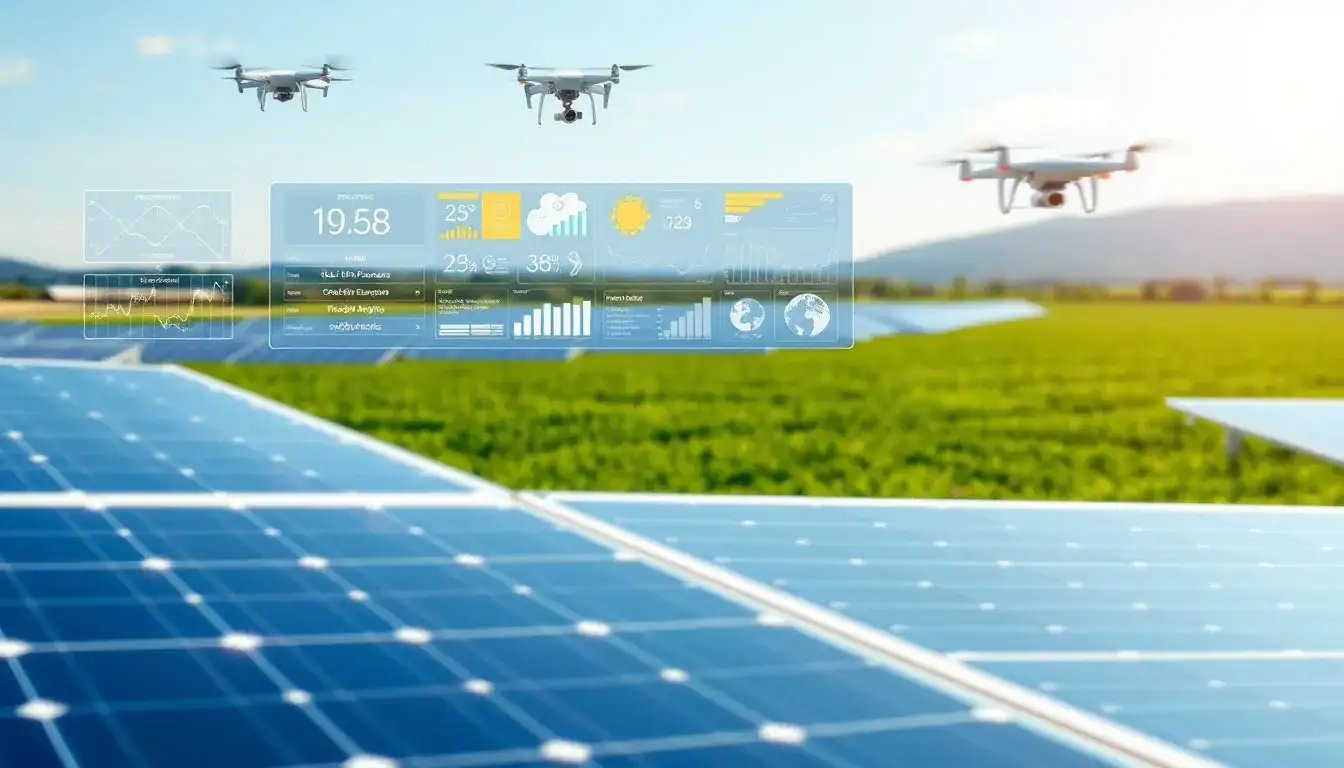
IoT (Internet of Things) significantly enhances the ability to predict solar panel performance by integrating various technologies into solar systems. Here’s how IoT helps:
Key IoT Applications in Solar Panel Performance Prediction
- Real-Time Monitoring:
- Sensors and Data Collection: IoT sensors are installed on solar panels and inverters to collect real-time data on parameters such as solar irradiance, panel temperature, power output, voltage, and current. This data is transmitted to a cloud-based platform for analysis.
- Performance Tracking: Continuous monitoring helps identify even the smallest inefficiencies or potential issues, allowing for early interventions to maintain peak performance.
- Predictive Maintenance:
- Data Analysis: IoT analytics, often combined with AI, analyze historical and real-time data to predict potential failures in components like inverters or panels before they occur. This preventive approach reduces downtime and costs associated with unforeseen repairs.
- Proactive Measures: By identifying trends such as consistent underperformance of certain panels, IoT systems can alert technicians to perform maintenance before a breakdown occurs.
- Performance Optimization:
- Issue Diagnosis: IoT systems can detect issues such as shading, dirt buildup, or faulty panels and provide insights to optimize energy production. This allows operators to address these issues promptly.
- Adjustments for Efficiency: IoT can suggest optimizations like adjusting the angle of solar panels to align better with changing sunlight conditions, improving overall efficiency.
By leveraging these capabilities, IoT helps solar panel systems operate more efficiently, reducing maintenance costs and maximizing energy output.
Original article by NenPower, If reposted, please credit the source: https://nenpower.com/blog/how-does-iot-help-in-predicting-solar-panel-performance/

