

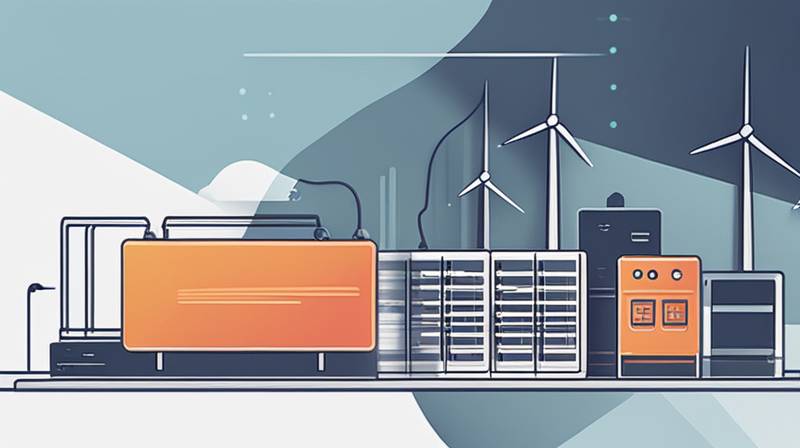
Industrial energy storage plays a pivotal role in enhancing grid stability through 1. Load balancing, 2. Frequency regulation, 3. Renewable integration, and 4. Peak shaving. By essentially acting as a buffer, energy storage systems enable the accommodation of fluctuating demands and supply, ensuring that energy grids remain resilient and efficient.
- LOAD BALANCING
In the realm of electrical grids, load balancing serves as a critical function to maintain equilibrium between energy supply and consumption. When energy demand intensifies due to peak usage periods, the immediate availability of sufficient power is paramount. Industrial energy storage systems (ESS) facilitate this necessity by storing excess energy produced during off-peak hours and discharging it when demand spikes. This mechanism not only alleviates stress on the grid but also mitigates the need for operators to activate expensive peaking power plants that may operate on fossil fuels.
Through techniques such as demand response, industries can dynamically adjust their energy consumption patterns, harnessing stored energy as a strategic resource. For example, during daylight hours when solar energy generation peaks, industrial facilities can utilize on-site energy storage to capture surplus electricity, which can then be deployed during the evening when solar output wanes. This orchestration helps to flatten the waveform of energy demand, providing a more stable operating environment for grid managers and reducing the risk of blackouts or brownouts.
- FREQUENCY REGULATION
Another compelling aspect of industrial energy storage relates to its capacity for frequency regulation. The continuous balance of power on the grid is imperative; discrepancies between generation and load can lead to frequency fluctuations, which may adversely affect grid stability and the operation of sensitive equipment. ESS can respond to these oscillations by either absorbing excess generation or supplying energy to offset a shortfall.
Advanced technologies like lithium-ion batteries can respond almost instantaneously to frequency changes, providing a service that traditional generators, which may require longer ramp-up times, cannot match. This rapid response capability makes ESS an invaluable resource for grid operators aiming to maintain optimal frequency levels within the established safety margins. Furthermore, by enhancing grid stability through effectively managing frequency fluctuations, energy storage eases the implementation of renewable energy sources, which inherently possess variable output characteristics.
- RENEWABLE INTEGRATION
The proliferation of renewable energy sources, such as wind and solar, has added complexity to grid management due to their intermittent nature. Industrial energy storage plays a transformative role in renewable integration. By effectively storing surplus energy generated during peak production times, these systems enable a more consistent and reliable supply of power even when renewable generation is low.
Storage systems can function as essential enablers of a more diversified energy portfolio, allowing for a significant increase in the deployment of renewables without compromising grid reliability. Instead of curtailing excess renewable generation during peak production periods—where energy supply surpasses demand—ESS can capture and store this energy for later use. This not only maximizes the utilization of clean energy but also enhances the business case for developing additional renewable projects.
Moreover, the advent of smart grid technologies promotes enhanced collaboration between renewable sources and energy storage. Through real-time data and management systems, grid operators can optimize the charging and discharging cycles of storage assets in alignment with renewable output and demand forecasts, ultimately leading to a more resilient grid architecture.
Under conditions of increased electricity demand, concerns over peak load scenarios become paramount. Peak shaving is a well-established practice where energy storage systems help manage surges in demand, thus reducing the strain on the grid during these critical periods. By discharging stored energy at times of peak load, industrial facilities can lower their electricity bills and enhance their operational efficiency.
In industries characterized by fluctuating usage patterns, effective peak shaving can result in attractive cost savings. Industrial energy users may be subject to demand charges levied by utility providers for exceeding specified consumption thresholds. ESS can mitigate these charges by altering the facility’s load profile, thereby maintaining consumption below those peak threshold limits. Consequently, investments in energy storage can pay dividends not only in improved energy management but also in financial performance.
Additionally, as regulations around carbon emissions become increasingly stringent, businesses are incentivized to adopt cleaner and more efficient practices. Utilizing energy storage for peak shaving allows companies to optimize their energy consumption profile, aligning with corporate sustainability goals and contributing to broader environmental benefits.
As previously stated, industrial energy storage has a multifaceted role in supporting grid stability through load balancing, frequency regulation, renewable integration, and peak shaving. Each of these functions interconnects to form a robust utility management system.
FREQUENTLY ASKED QUESTIONS
WHAT TYPES OF ENERGY STORAGE TECHNOLOGIES ARE COMMONLY USED IN INDUSTRIAL APPLICATIONS?
In industrial applications, several energy storage technologies are prevalent. Among the most common is lithium-ion battery technology, known for its high energy density, rapid response times, and declining costs. These batteries are often used in commercial scale applications, providing flexibility and efficiency for load management and frequency regulation.
Another notable technology is flow batteries, which can store energy more flexibly for longer durations than lithium-ion solutions. They feature scalable designs, making them suitable for large-scale industrial use. Additionally, flywheel energy storage systems provide a quick response to voltage fluctuations, serving applications that require instantaneous power changes. Lastly, pumped hydro storage remains a longstanding solution, converting buoyancy into energy by relocating water between two reservoirs, although it may not always be suitable for all industrial contexts.
HOW DOES INDUSTRIAL ENERGY STORAGE REDUCE ENERGY COSTS FOR BUSINESSES?
The integration of energy storage systems provides numerous avenues for lowering energy costs for businesses. By engaging in peak shaving through stored energy interventions, industrial users can avoid demand charges levied by utilities. When a facility discharges stored energy during peak demand, it directly offsets usage from the grid at premium rates.
Additionally, energy storage can facilitate participation in demand response programs, where businesses receive financial incentives to reduce consumption during periods of high demand. This coordinated effort allows companies to contribute to grid stabilization while enhancing their financial position. Furthermore, storage systems align energy purchase strategies with cost-saving alternatives, such as purchasing electricity during off-peak hours when rates are lower and storing it for later use.
WHAT ROLE DOES ENERGY STORAGE PLAY IN ENHANCING RESILIENCE DURING POWER OUTAGES?
Energy storage systems play a vital role in enhancing resilience during power outages by providing a reliable backup power source. In instances where the grid experiences disruptions, industrial facilities equipped with energy storage can continue to operate smoothly. By discharging stored energy during outages, companies can maintain critical operations and mitigate losses associated with downtime.
Moreover, advanced energy storage solutions can be integrated with microgrid technologies. These localized energy systems can function independently of the central grid, enhancing reliability further. During prolonged outages, onsite energy storage, combined with renewable generation sources like solar panels, can empower industries to operate autonomously, fostering operational resilience amidst unpredictable grid disruptions.
FINAL THOUGHTS
Industrial energy storage serves as an invaluable asset to modern electrical grids, facilitating enhanced stability and resilience across multiple dimensions. By promoting effective load balancing, ensuring frequency regulation, integrating renewables seamlessly, and enabling peak shaving strategies, energy storage constructs an adaptive framework to meet evolving energy demands. The increasing adoption of innovative technologies enhances business operations while addressing environmental challenges associated with energy consumption. As industries re-evaluate their energy strategies, the shift towards integrated energy storage solutions promises not only cost efficiencies but also significant contributions towards a more sustainable energy future. Embracing energy storage within industrial settings paves the way for a modernized grid infrastructure, one that is better equipped to handle fluctuations and uncertainties inherent in our dynamically changing energy landscape. In light of these parameters, the importance of industrial energy storage continues to grow and reshape the energy paradigm.
Original article by NenPower, If reposted, please credit the source: https://nenpower.com/blog/how-does-industrial-energy-storage-support-grid-stability/

