

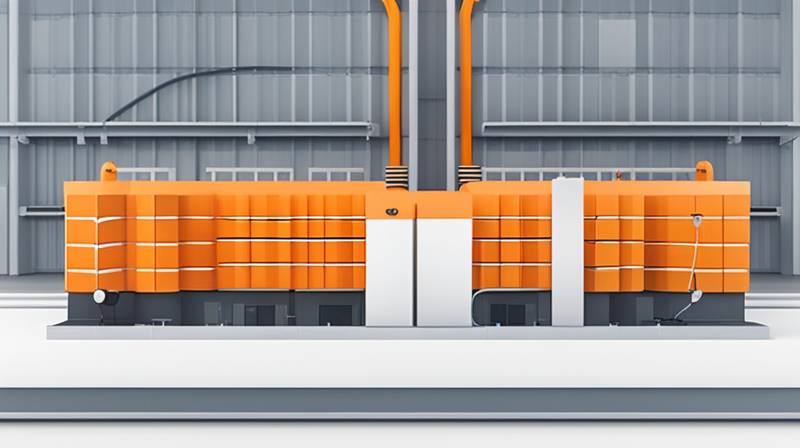
1. Enhanced grid reliability, 2. Improved energy efficiency, 3. Facilitated renewable integration, 4. Cost-effectiveness, 5. Peak demand management. Industrial energy storage systems significantly contribute to grid flexibility by storing excess energy and delivering it when required, effectively balancing supply and demand. This capability is particularly vital for large facilities that have substantial energy needs and fluctuating consumption patterns. The incorporation of advanced energy storage technologies allows these entities to manage energy resources more dynamically, reducing strain on the grid and enhancing overall system resilience.
1. ENHANCED GRID RELIABILITY
The role of industrial energy storage in boosting grid reliability is multi-faceted. Grid reliability is paramount as facilities increasingly depend on consistent energy supplies. Energy storage systems can act as a buffer during times of fluctuating supply and demand, ensuring that industrial operations continue without interruptions. When energy demand peaks, these systems release stored energy, which helps balance the grid and mitigates the risk of blackouts.
Moreover, the integration of energy storage technologies not only stabilizes immediate power delivery but also enhances the overall infrastructure. By storing surplus energy during low-demand periods, such as during nighttime or off-peak hours, energy storage reduces the reliance on peaker plants—facilities that generate electricity during high-demand periods but are typically less efficient and more costly. This leads to a more resilient grid that can better withstand shocks and stresses, ultimately benefiting both industrial users and the wider community.
2. IMPROVED ENERGY EFFICIENCY
Industrial energy storage contributes significantly to enhancing energy efficiency within large facilities. Storing surplus energy when it is most abundant and utilizing it during periods of high demand leads to a more efficient operation overall. Energy efficiency is not just about reducing consumption; it’s also about optimizing the use of available energy resources. With appropriately designed storage solutions, facilities can maximize their operational efficiency by minimizing wastage.
Additionally, energy management systems integrated with storage solutions allow for real-time monitoring and optimization of energy loads. By assessing consumption patterns and aligning them with storage capabilities, facilities can reduce energy costs and improve their carbon footprint. For instance, when electricity costs rise during peak times, energy storage can deliver previously stored lower-cost energy, thereby allowing facilities to operate more economically and sustainably.
3. FACILITATED RENEWABLE INTEGRATION
The transition towards cleaner energy sources poses both opportunities and challenges for large industrial facilities. Energy storage systems significantly facilitate renewable integration by addressing the intermittent nature of solar and wind power generation. As renewable energy sources become increasingly prevalent, the ability to store excess energy when production exceeds demand becomes critical.
Storing energy during peak production times allows facilities to draw from stored resources when production dips or demand surges. This capability enhances grid flexibility by ensuring that renewable energies can be utilized effectively, even when generation does not align with consumption patterns. Through this energy bridge, facilities can improve their sustainability credentials while also benefiting economically by reducing reliance on fossil fuels.
Moreover, energy storage paired with renewable sources helps mitigate the adverse effects of renewables on grid stability. By smoothing out the fluctuations associated with solar and wind power, these systems create a more stable supply for industrial operations. This also translates to reduced operational costs and improved compliance with regulations aimed at promoting cleaner energy use.
4. COST-EFFECTIVENESS
Investing in industrial energy storage systems can be a financially prudent move for large facilities. Cost-effectiveness is a key consideration in the decision-making process, particularly as energy prices fluctuate. Energy storage systems can significantly lower electricity bills by enabling facilities to utilize energy during off-peak hours when electricity rates are typically lower. This capability allows organizations to avoid high demand charges associated with peak consumption.
Additionally, government incentives and subsidies for energy storage solutions can enhance cost-effectiveness further. Many jurisdictions encourage the adoption of energy storage through financial incentives, which can offset initial installation costs. As technology advances and energy storage becomes more widespread, the costs associated with these solutions are decreasing, making them more accessible for industrial applications.
Moreover, increased productivity can lead to additional cost savings. With improved energy management and flexibility, facilities can operate more efficiently, leading to reduced operational downtime. This not only positively impacts the bottom line but also encourages long-term sustainability, aligning financial incentives with ecological responsibilities.
5. PEAK DEMAND MANAGEMENT
Managing peak demand is a critical aspect of modern industrial energy strategies. Peak demand management refers to the strategy of utilizing energy storage systems to reduce energy consumption during periods of high demand on the grid. For large facilities, this can have substantial economic advantages, as electricity costs often escalate during peak consumption periods.
Energy storage solutions allow facilities to make smart decisions about energy use, storing energy when costs are lower and discharging it during peak hours when costs are higher. This practice not only reduces overall energy expenses but also fosters a more efficient use of energy resources, contributing to a more balanced grid.
Furthermore, effective peak demand management can lead to long-term benefits such as improved relationships with utility companies. By demonstrating a commitment to peak demand reduction, facilities may benefit from lower utility rates or become eligible for demand response programs. These programs incentivize users to reduce their energy consumption during peak times, creating a mutually beneficial relationship between energy providers and large consumers.
6. REGULATORY ADVANTAGES AND INCENTIVES
As energy storage solutions gain traction, they also come under scrutiny from regulatory bodies aiming to streamline energy usage and promote sustainability. Regulatory frameworks in many regions now recognize the importance of energy storage in enhancing grid stability and energy resilience. This leads to the establishment of policies that support the growth of energy storage technologies.
Organizations that implement effective energy storage systems may find themselves eligible for various incentives. These can include tax credits, grants, or subsidies aimed at promoting investment in clean energy technologies. This trend reflects a growing recognition of the role that energy storage plays in addressing energy challenges, creating a viable business case for infrastructure upgrades.
Additionally, energy storage systems that align with approved regulatory pathways may enhance public relations for large facilities. By actively participating in state energy initiatives and public benefit schemes, organizations can bolster their corporate social responsibility profile. Engaging with regulatory trends toward sustainability can further enhance a facility’s standing among regulators, customers, and investors.
7. TECHNOLOGICAL INNOVATION AND ADVANCEMENTS
Advancements in technology are a driving force behind the increasing adoption of industrial energy storage solutions. Technological innovations have improved the efficiency, lifespan, and affordability of energy storage systems, making them more appealing to large facilities. From lithium-ion batteries to flow batteries, the developments in energy storage technologies offer various options tailored to specific industrial requirements.
The continuous evolution in energy storage technology drives us towards more sophisticated and efficient systems. For instance, artificial intelligence and machine learning can be applied to optimize energy load management, enabling facilities to develop predictive models that improve energy usage strategies. By utilizing advanced analytics, organizations can better forecast their energy needs and adapt their storage system operations accordingly, thus maximizing efficiency.
Moreover, research and development efforts are constantly yielding new materials and technologies that enhance energy density and reduce costs. As these innovations become commercially viable, they will further increase the sophistication and performance of industrial energy storage solutions, thereby enhancing grid flexibility for large facilities.
8. STRATEGIC PARTNERSHIPS AND COLLABORATIONS
Establishing strategic partnerships is another tactical approach employed by large facilities undertaking energy storage initiatives. Collaborations with technology providers, energy consultants, and regulatory agencies can provide access to specialized expertise and groundbreaking technologies. Such partnerships can facilitate the exchange of knowledge, enabling organizations to develop tailored energy storage solutions that meet their unique operational needs.
Additionally, collaborative frameworks can enhance risk-sharing, significantly lowering the financial and operational burden on individual facilities. By co-investing in energy storage infrastructure, organizations can collectively tackle the upfront costs and reach economies of scale, optimizing the financial feasibility of their projects.
Working with utility companies also presents opportunities for large facilities to engage in demand response programs or virtual power plant schemes. These frameworks maximize the synergies between energy storage systems and grid needs, allowing both parties to benefit from innovative energy management strategies.
9. THE FUTURE OF INDUSTRIAL ENERGY STORAGE
Looking ahead, the trajectory of industrial energy storage appears promising, driven by ongoing technological advancements and an increasing emphasis on sustainability. Future developments might include more efficient battery technologies, improved lifecycle management solutions, and real-time energy management systems capable of predictive analytics.
As industries continue to confront energy challenges amid global climate change efforts, energy storage solutions will be indispensable in shaping sustainable energy futures. The drive for zero-carbon operations will further amplify the importance of adopting innovative energy storage technologies within large facilities, ensuring they are equipped to thrive in an increasingly complex energy landscape.
In this context, the adoption of energy storage systems is likely to catalyze a paradigm shift in how large facilities manage their energy resources. By embracing these innovations, they stand to gain a competitive edge while contributing to broader environmental goals.
FAQS
WHAT ARE THE TYPES OF INDUSTRIAL ENERGY STORAGE SYSTEMS?
Industrial energy storage systems vary widely based on technology, application, and operational requirements. The most common types include lithium-ion batteries, which offer high energy density and efficiency, and are popular due to their ability to swiftly charge and discharge energy. They are suitable for applications ranging from stabilizing power supply to energy management in industrial settings. Flow batteries, on the other hand, provide scalable solutions ideal for longer discharge durations, making them suitable for applications necessitating prolonged energy delivery.
Pumped hydro storage—widely used for large-scale applications—utilizes gravitational potential energy by pumping water to higher elevations during periods of low demand and releasing it through turbines when energy is needed. Compressed air energy storage (CAES) similarly compresses air for energy storage, released later to generate electricity. Other innovative technologies include thermal storage, which stores energy in the form of heat, and even mechanical solutions like flywheels. Each storage type has its unique advantages and suitability, depending on factors such as capacity, required discharge time, application scope, and economic viability.
HOW DOES ENERGY STORAGE IMPACT OPERATING COSTS?
Incorporating energy storage solutions significantly affects operating costs within large facilities. Primarily, energy storage allows facilities to store energy during off-peak hours, which is typically when energy prices are lower. By utilizing stored energy during peak hours, when electricity prices are high, facilities can reduce their electricity expenditures substantially. This aspect alone can lead to notable savings on utility bills.
Moreover, energy storage systems enable facilities to demand-response initiatives, allowing them to adjust energy usage based on grid signals, resulting in financial incentives from utilities. This flexibility helps mitigate demand charges that arise from spikes in electricity usage.
The financial landscape is also influenced by potential tax incentives, grants, or subsidies aimed at encouraging energy efficiency and system upgrades. Overall, the strategic deployment of energy storage results in operational savings, effectively enhancing the facility’s financial health and sustainability efforts.
CAN ENERGY STORAGE HELP INTEGRATE RENEWABLE RESOURCES?
Absolutely, energy storage plays a pivotal role in integrating renewable energy resources. Renewable sources such as wind and solar are subject to variability, presenting challenges in maintaining a consistent supply of energy. Energy storage systems help bridge the gap between generation and consumption, storing excess energy produced during periods of high renewable output and releasing it when energy generation is low.
This capability is particularly valuable for large facilities transitioning towards greener energy practices, as it enables them to utilize more renewable resources and reduce reliance on fossil fuels. By incorporating energy storage, these facilities can enhance their operational efficiency while simultaneously contributing to cleaner energy initiatives.
Additionally, energy storage supports utilities and grid operators in managing the fluctuations associated with renewable energy generation. This capability facilitates a more seamless transition towards a renewable-friendly energy landscape, making energy storage a crucial asset in achieving sustainability objectives.
THE IMPLICATIONS OF INDUSTRIAL ENERGY STORAGE ON THE FUTURE OF ENERGY MANAGEMENT
Industrial energy storage will profoundly influence the future of energy management. One of the primary implications is the decoupling of energy consumption from peak demand, providing facilities the flexibility to manage their energy resources strategically. Through advancements in storage technologies, organizations can maximize energy efficiency, thus reducing waste and ultimately benefiting both their bottom line and the environment.
Furthermore, as energy markets evolve, the ability to engage in demand response and peak shaving initiatives will become increasingly critical. Facilities equipped with energy storage capabilities will be better positioned to participate in flexible energy markets, allowing for greater interaction between large consumers and grid operators.
As industrial energy storage continues to develop, its integration will further enable cleaner, more effective, and economically viable energy systems. The future of energy management will likely revolve around systems that prioritize sustainability, resilience, and flexibility, all of which can be significantly enhanced through the adoption of robust industrial energy storage solutions.
In summary, as facilities increasingly recognize the myriad benefits associated with energy storage systems, we anticipate a transformative shift in how they manage their energy resources. The innovations and trends observed today will play a significant role in shaping the energy landscape of tomorrow.
Original article by NenPower, If reposted, please credit the source: https://nenpower.com/blog/how-does-industrial-energy-storage-enhance-grid-flexibility-for-large-facilities/

