

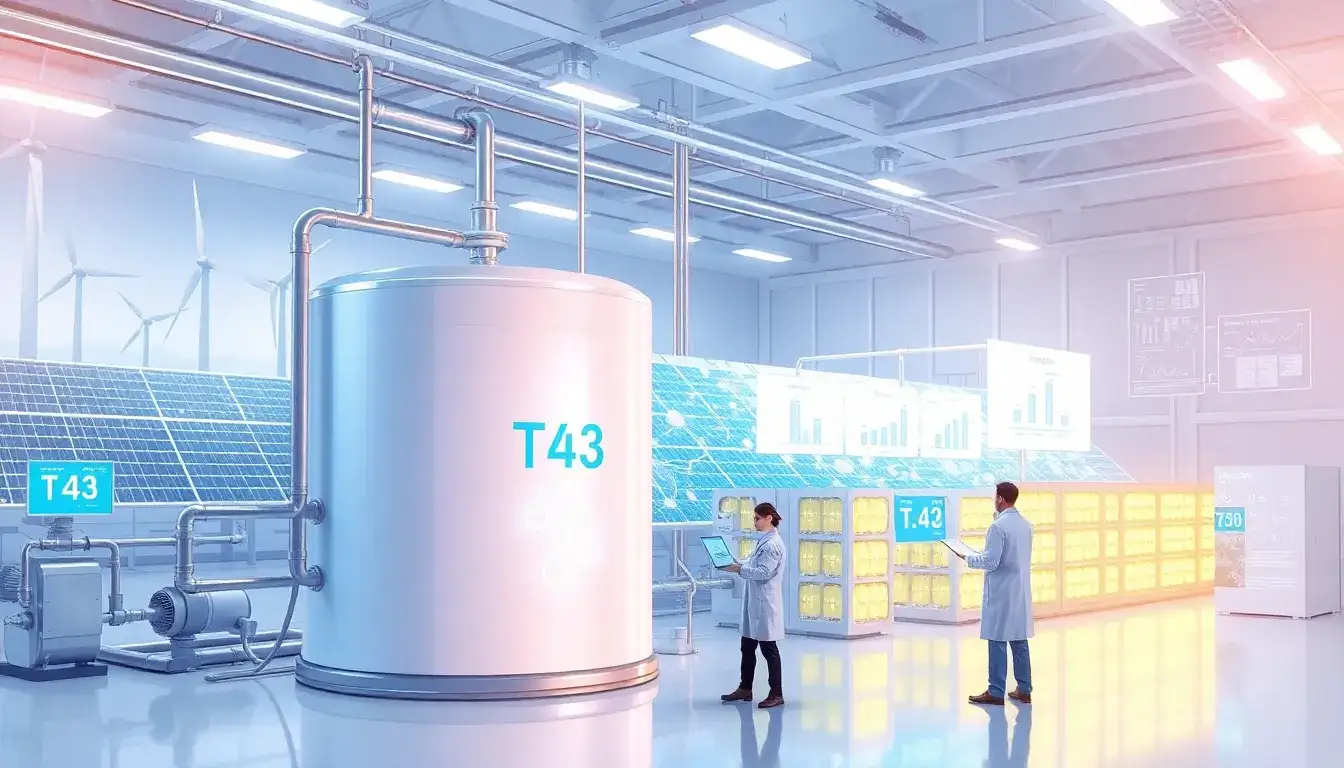
Hydrogen-based energy storage represents a promising avenue for managing excess renewable energy, particularly from sources like solar and wind. This technology hinges on the conversion of electrical energy into hydrogen through a process known as electrolysis, where water is split into hydrogen and oxygen. The stored hydrogen can later be converted back into electricity or utilized as fuel.
How Hydrogen-Based Energy Storage Works
- Production of Hydrogen:
- Electrolysis: This is the primary method for producing hydrogen in energy storage applications. Electrolyzers use electricity to break down water into hydrogen and oxygen. The process can occur through various technologies such as alkaline electrolysis, which is suited for large-scale operations, or proton exchange membrane (PEM) electrolyzers, which are more adaptable for smaller, decentralized applications.
- Hydrogen can also be produced through other methods, including steam methane reforming, but these processes are not typically used for renewable energy storage due to their carbon emissions.
- Storage of Hydrogen:
- Hydrogen can be stored in several forms, including:
- Compressed gas: Stored in high-pressure tanks.
- Liquid hydrogen: Requires cryogenic temperatures for storage.
- Solid-state storage: Hydrogen can be absorbed in or adsorbed onto materials, which allows for more compact storage solutions.
- For large-scale needs, underground storage in salt caverns or depleted oil fields is commonly employed, capable of holding significant quantities of hydrogen.
- Hydrogen can be stored in several forms, including:
- Utilization:
- When energy is needed, the stored hydrogen can be converted back into electricity using fuel cells or burned in combustion engines. Fuel cells convert the chemical energy of hydrogen directly into electricity, while combined cycle gas plants can also utilize hydrogen efficiently.
Benefits of Hydrogen-Based Energy Storage
- High Energy Density: Hydrogen offers an energy density of about 120 MJ/kg, significantly more than conventional fuels like gasoline, which has about 44 MJ/kg. This makes hydrogen an effective medium for energy storage on a mass basis.
- Long-Term Storage Capabilities: Unlike traditional batteries, hydrogen can be stored for extended periods, even months or years, making it suitable for seasonal energy balancing. This attribute is particularly beneficial for addressing the intermittent nature of renewable energy sources.
- Scalability: Hydrogen systems can be scaled to meet demand by increasing storage capacity affordably, as the primary costs arise from the storage infrastructure, not the hydrogen itself.
- Flexibility of Use: Hydrogen can serve multiple purposes beyond electricity generation, including applications in transport (fuel cell vehicles) and industries (chemical feedstock), enhancing its role as an energy carrier.
- Integration into Existing Infrastructure: Hydrogen can be blended with natural gas for heating or electricity generation, facilitating a smoother transition from fossil fuels to renewable energy sources.
Challenges
Despite its advantages, hydrogen-based energy storage faces hurdles such as:
- Roundtrip Efficiency: The overall efficiency from electrical energy to hydrogen and back to electricity is relatively low, often around 40-50%, compared to 70-90% for batteries.
- Production Costs: The initial costs associated with electrolyzers and fuel cells can be high, posing a barrier to widespread adoption, although these costs are decreasing due to advances in technology and increased demand.
- Safety Concerns: Hydrogen’s flammability and propensity to leak require careful handling and robust infrastructure.
In summary, hydrogen-based energy storage holds great potential for enhancing energy security and integrating renewable resources into the energy grid, despite facing certain economic and technical challenges. Its ability to store large quantities of energy over extended periods while providing versatility across various applications makes it a pivotal technology in the transition to a sustainable energy future.
Original article by NenPower, If reposted, please credit the source: https://nenpower.com/blog/how-does-hydrogen-based-energy-storage-work-and-what-are-its-benefits/

