

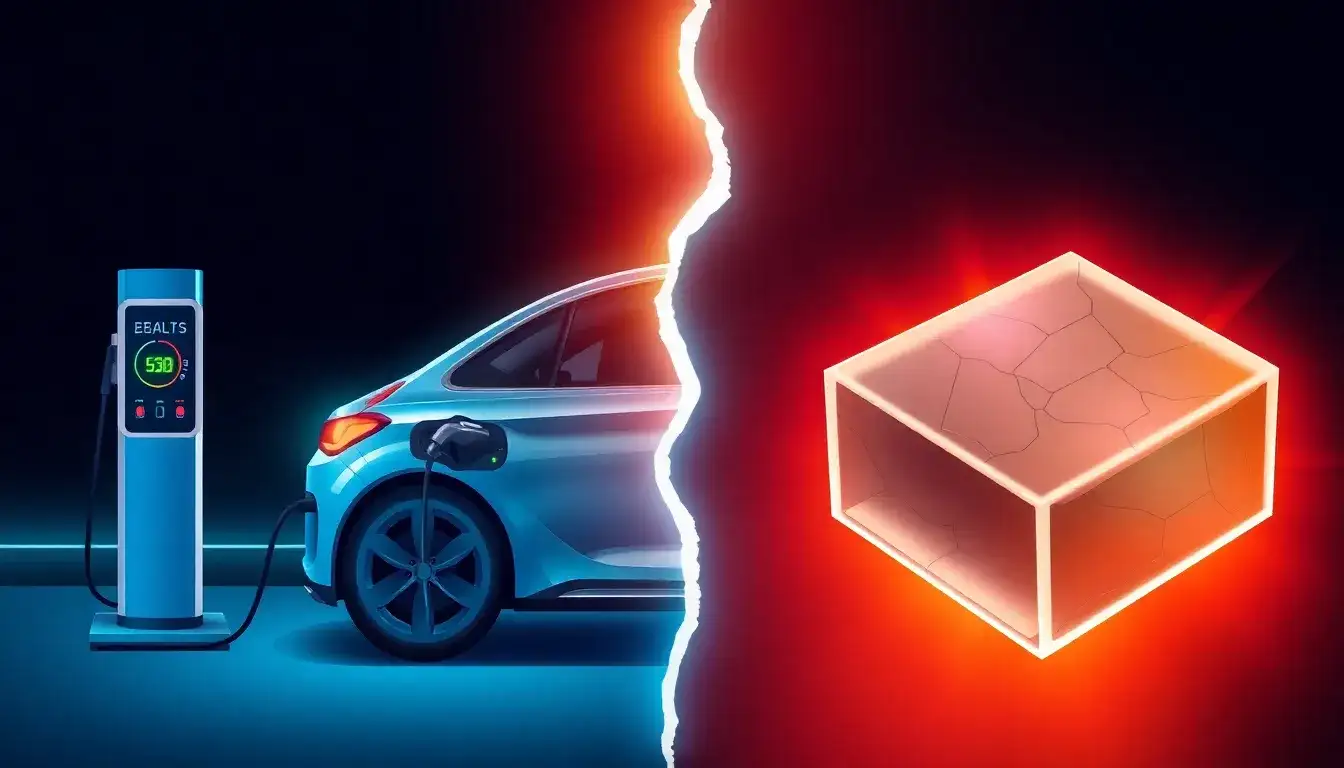
Frequent use of DC fast charging (DCFC) does have an impact on EV battery health, but the extent and significance of this effect depend on several factors including charging frequency, temperature, and battery management systems.
Effects of Frequent DC Fast Charging on EV Battery Health
- Accelerated Battery Degradation:
DC fast charging involves delivering high voltage and current to the battery in a short time, which increases heat generation within the battery pack. This heat accelerates chemical degradation processes such as electrolyte breakdown and damage to electrode materials. Over time, this leads to a faster loss of battery capacity and range compared to slower charging methods like Level 2 AC charging. - Thermal Stress:
Increased heat production during DC fast charging causes thermal expansion and mechanical stress on battery components. Even though modern EVs use sophisticated thermal management systems to regulate battery temperature, prolonged or frequent fast charging sessions still contribute to accelerated battery wear. - Rate of Degradation:
Studies show that while fast charging slightly accelerates battery degradation compared to slower charging, the overall impact is usually minimal for occasional use. However, frequent DC fast charging (for example, more than 3 times per month) can significantly increase battery degradation rates, especially in hot climates where thermal stress compounds this effect. One study noted a 16% higher degradation rate for batteries charged exclusively by DC rapid charging compared to AC fast charging. - Battery Management & Design Considerations:
Modern EV batteries are designed to handle DC fast charging with integrated battery management systems (BMS) and thermal controls that mitigate damage. This design reduces but does not eliminate the accelerated degradation caused by frequent DC fast charging.
Summary
| Aspect | Impact of Frequent DC Fast Charging |
|---|---|
| Battery degradation rate | Slight to moderate increase; more pronounced with frequent use |
| Heat generation | Significant increase leading to accelerated chemical wear |
| Thermal management | Effective but limited under frequent fast charging |
| Battery capacity loss | Faster loss of battery capacity and range over time |
| Climate influence | Hot climates exacerbate degradation due to heat stress |
In conclusion, frequent DC fast charging can accelerate EV battery degradation primarily due to increased heat and stress, especially in hot environments. However, occasional use of DC fast charging is generally safe, and modern EVs are equipped to handle it without major damage. To maximize battery longevity, manufacturers and experts recommend limiting frequent use of DC fast chargers and utilizing Level 2 charging when possible.
Original article by NenPower, If reposted, please credit the source: https://nenpower.com/blog/how-does-frequent-use-of-dc-fast-charging-affect-the-battery-health-of-an-ev/

