

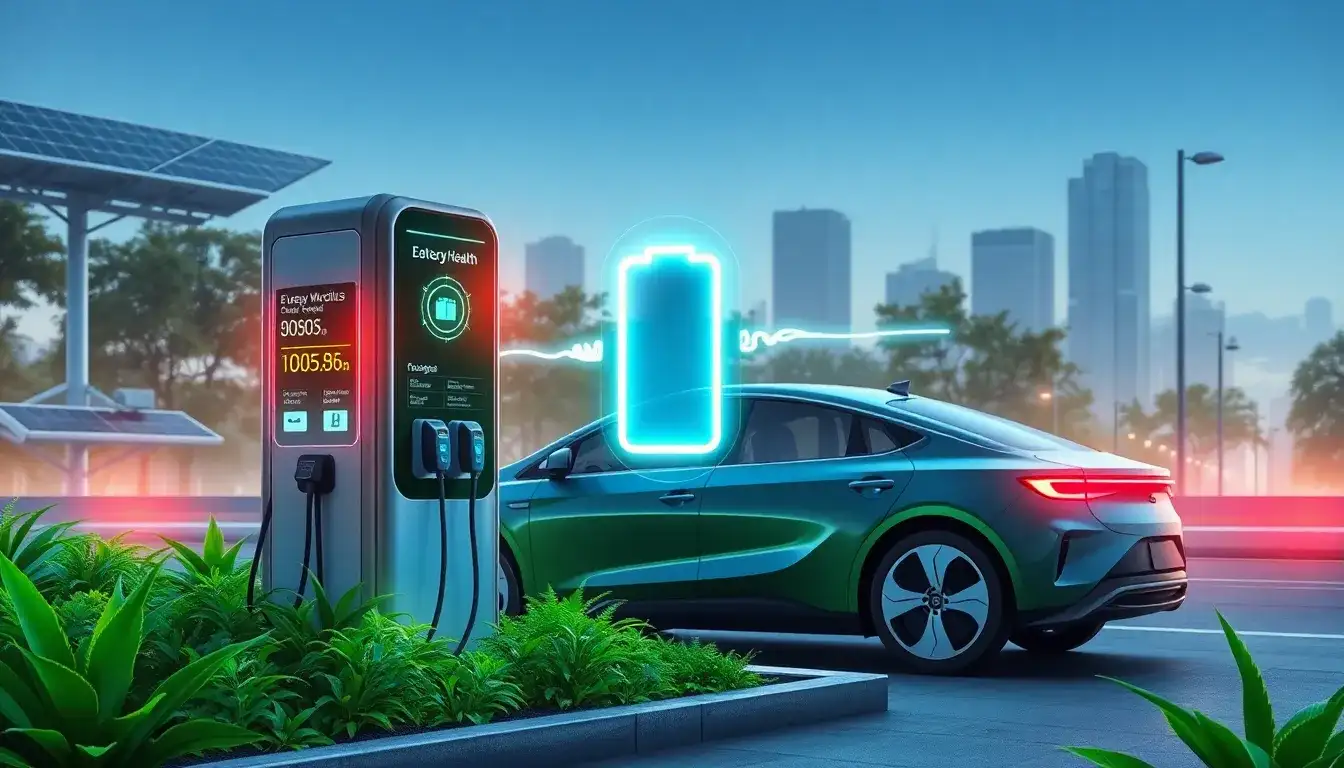
Fast charging can have both minimal and noticeable impacts on the overall health of an electric vehicle (EV) battery, depending on several factors.
Effects of Fast Charging
- Battery Degradation: Frequent use of DC fast charging can slightly increase the rate of battery degradation. This is due to the high voltage and current involved, which generates more heat and stress on the battery cells. Studies suggest that while the overall impact may be minimal, excessive heat during fast charging can accelerate chemical reactions that degrade the battery over time.
- Heat Generation: The rapid energy transfer during fast charging leads to increased heat within the battery pack. High temperatures accelerate electrolyte decomposition, electrode material breakdown, and can cause mechanical stress due to thermal expansion. Despite thermal management systems, prolonged exposure to heat can still contribute to faster battery degradation.
- State of Charge (SoC): Fast charging often results in higher SoC levels more quickly, which can stress the battery, especially if it remains at high SoC levels for extended periods. Charging to maximum SoC levels frequently may reduce usable capacity and cause faster degradation at the upper and lower limits of the SoC range.
Preserving Battery Health
- Temperature Management: Keeping the battery away from extreme temperatures (very cold or hot) helps maintain health.
- Charge Levels: Keeping the battery charged between 20% and 80% can help reduce degradation.
- Thermal Management Systems: Modern EVs have these systems to regulate battery temperature during fast charging.
In summary, while fast charging does slightly increase battery degradation, the impact is generally manageable for most users when appropriate precautions are taken. However, frequent fast charging in hot climates can accelerate this process.
Original article by NenPower, If reposted, please credit the source: https://nenpower.com/blog/how-does-fast-charging-impact-the-overall-health-of-an-ev-battery/

