

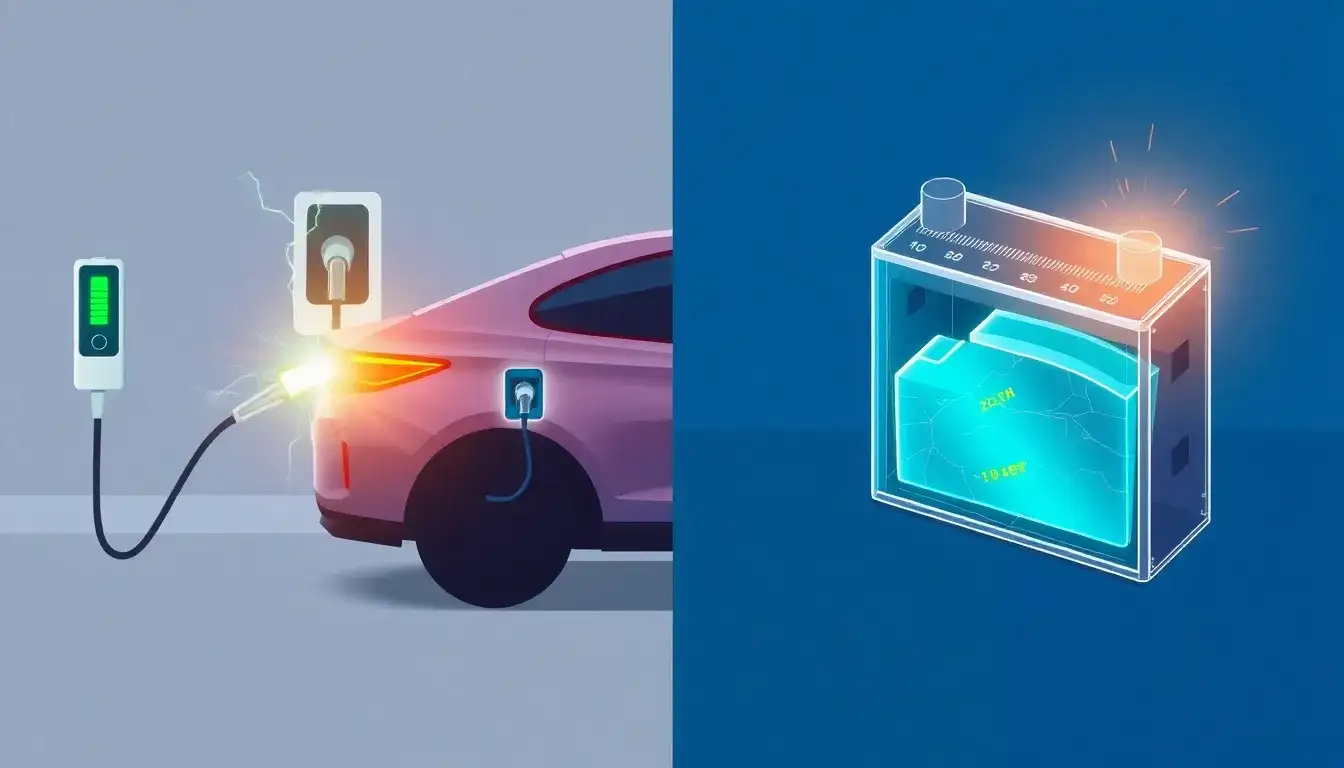
Fast charging can have some impact on the longevity of an EV battery, although it is generally not as significant as once thought. Here’s a breakdown of the effects:
Impact of Different Charging Types
- Fast Charging (Typically 7kW to 22kW): This type of charging has been found to have little negative impact on EV battery life. It is generally safe for everyday use and does not significantly degrade battery health.
- Rapid (or DC Fast) Charging: Frequent use of DC fast charging can accelerate battery degradation more than fast charging. This is because it involves higher voltage and current, which can subject the battery to increased strain. High temperatures generated during rapid charging can enhance chemical reactions within the battery cells, leading to faster degradation.
Mechanisms of Degradation
- Heat Production: DC fast charging generates more heat due to the rapid energy transfer. High temperatures can accelerate chemical reactions that degrade battery components, such as electrolyte decomposition and electrode material breakdown.
- Thermal Stress: Although most EVs have thermal management systems to mitigate this, prolonged exposure to high temperatures can still cause mechanical stress on the battery, affecting its health over time.
Tips for Preserving Battery Life
- Use Rapid Charging Sparingly: Reserve rapid charging for when it’s absolutely necessary.
- Monitor Temperature: Be mindful of environmental temperatures and avoid rapid charging in extremely hot conditions.
- Maintain Proper Care: Regularly inspect and maintain your vehicle’s charging and cooling systems.
Overall, while fast charging is generally safe, frequent rapid charging should be used judiciously to maximize EV battery longevity.
Original article by NenPower, If reposted, please credit the source: https://nenpower.com/blog/how-does-fast-charging-impact-the-longevity-of-an-ev-battery/

