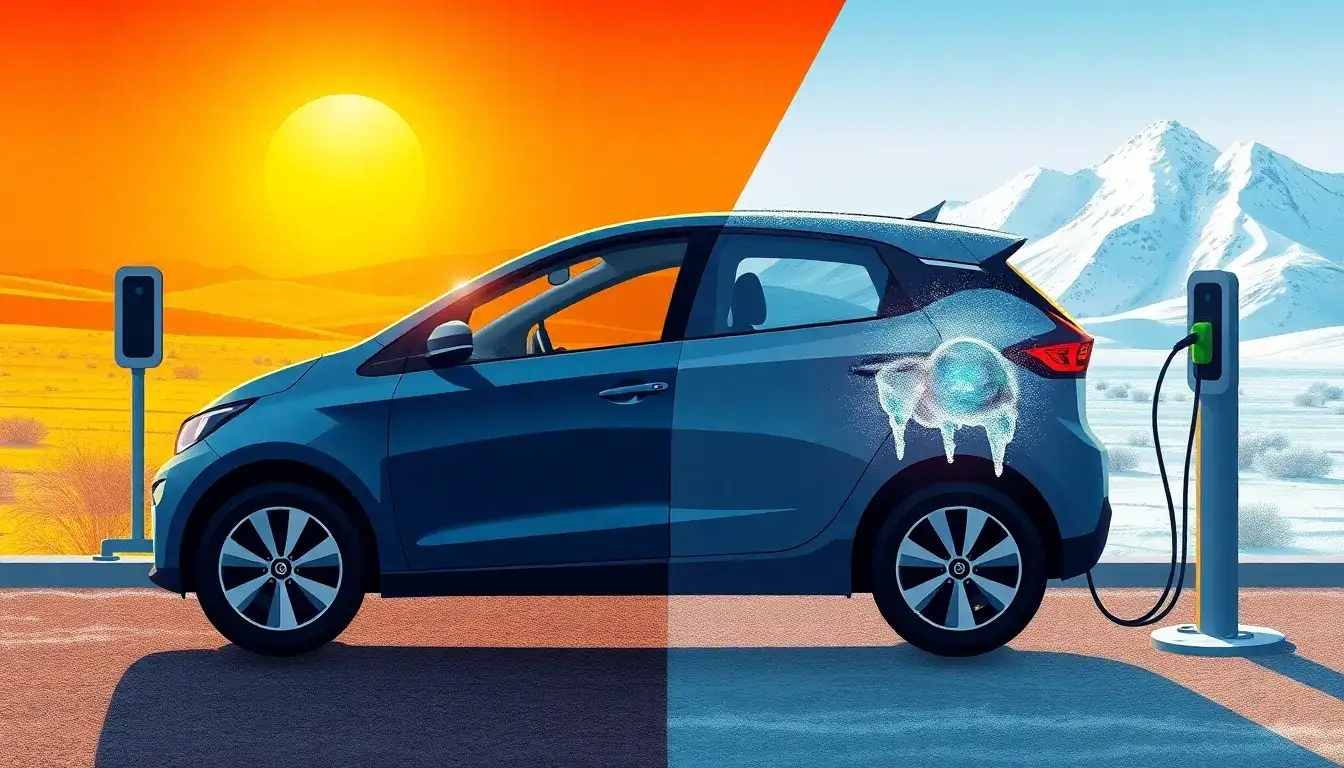
Extreme temperatures, especially extreme heat, significantly affect electric vehicle (EV) charging and battery performance in several ways:
Effects of Extreme Heat on EV Charging and Battery Performance
- Reduced Charging Efficiency: Charging efficiency decreases during hot weather (above 80°F / 27°C), as chargers and batteries generate more heat and operate less effectively.
- Slower Charging Speeds: In very high temperatures (above 45°C / 113°F), some public charging stations may reduce power delivery or temporarily stop charging to prevent overheating.
- Increased Battery Internal Resistance: Heat raises the internal resistance of the battery, reducing the voltage and current available, causing the battery to heat even more and degrade faster.
- Battery Capacity Degradation: High temperatures accelerate long-term battery degradation, lowering the total charge the battery can hold over time.
- Increased Energy Use for Thermal Management: The battery’s thermal management system has to consume more energy to keep the battery cool during charging in hot weather, which reduces net energy efficiency.
- Additional Energy Draw from Cooling Systems: High cabin temperatures require more air conditioning. Although EVs with heat pumps consume less energy for climate control, air conditioning still reduces range to some extent.
Mitigation Strategies to Minimize Heat Impact on EV Charging and Performance
- Charge in Cooler Conditions When Possible: Schedule charging during cooler parts of the day, such as early morning or late evening, to reduce heat impact on battery and charger efficiency.
- Use Sheltered or Shaded Charging Stations: Whenever possible, select charging points that are covered or shaded to avoid direct sun exposure and reduce the temperature at the charging terminal.
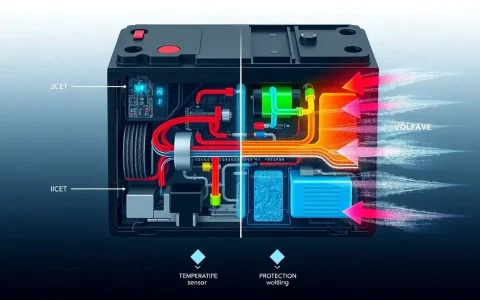
- Utilize EV Thermal Management Systems: Many modern EVs have built-in battery thermal management (cooling) systems—keep these active by pre-conditioning your vehicle before and during charging to maintain optimal battery temperature.
- Pre-Condition Your Vehicle: Use remote pre-conditioning features to cool down the cabin and battery before driving or charging, minimizing energy drawn from the battery for climate control while driving.
- Avoid Fast Charging in Extreme Heat When Possible: Fast charging generates more heat in the battery; reducing reliance on rapid charging during very high temperatures can help preserve battery health.
- Keep Software Updated: Manufacturers often release software updates to improve battery thermal management and charging algorithms, so keeping your EV’s software current helps mitigate heat effects.
In summary, extreme heat reduces charging efficiency, slows charging, increases battery degradation, and increases energy needs for cooling. Mitigation primarily involves charging and using the vehicle during cooler times or shaded locations, leveraging vehicle thermal management, and minimizing fast charging during extreme heat periods.
This approach helps maintain battery health, optimize range, and improve charging efficiency in hot conditions.
Original article by NenPower, If reposted, please credit the source: https://nenpower.com/blog/how-does-extreme-temperature-affect-ev-charging-and-what-can-i-do-to-mitigate-it/