

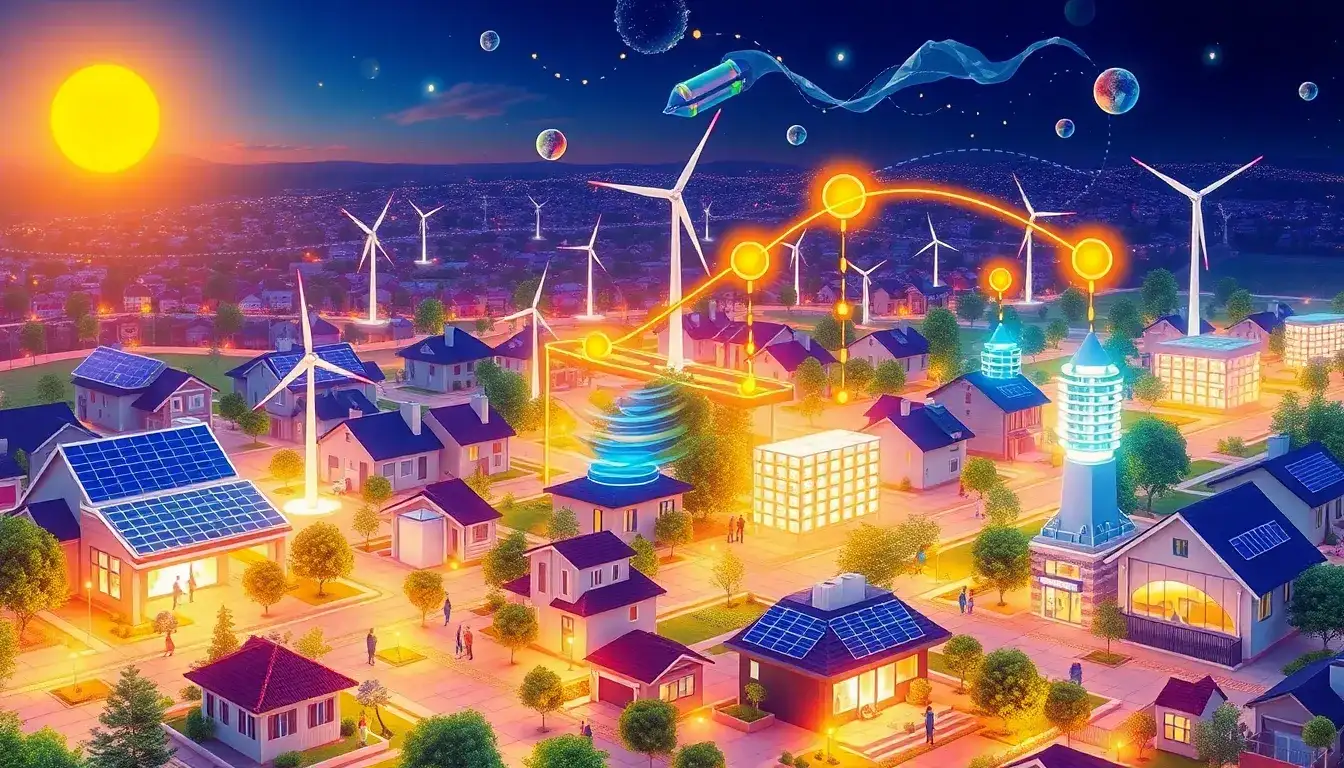
Energy storage is critical to decentralized energy systems and microgrids by addressing the inherent variability of renewable sources and enhancing grid resilience. Here’s how it works:
Managing renewable energy variability
Energy storage systems (ESS) store excess electricity from solar panels or wind turbines during peak production, then discharge it when generation drops due to weather conditions or nighttime hours. This ensures continuous power supply.
Enhancing grid resilience
By decentralizing energy storage through distributed systems like lithium-ion batteries, microgrids can operate independently during outages caused by extreme weather or cyberattacks. This reduces reliance on vulnerable centralized infrastructure.
Supporting energy independence
Localized storage enables communities to prioritize self-consumption of renewable energy, decreasing dependence on long-distance transmission lines. Combined heat and power systems with storage further optimize local energy use.
Advancing global energy goals
Initiatives like the Global Energy Storage and Grids Pledge (1,500 GW storage by 2030) and efforts to deploy long-duration storage technologies (e.g., flow batteries) demonstrate storage’s role in scaling decentralized renewable infrastructure.
Distributed energy storage systems like battery arrays also help balance supply-demand mismatches at a local level, making microgrids economically viable while reducing strain on central grids during peak loads.
Original article by NenPower, If reposted, please credit the source: https://nenpower.com/blog/how-does-energy-storage-support-decentralized-energy-systems-and-microgrids/

