

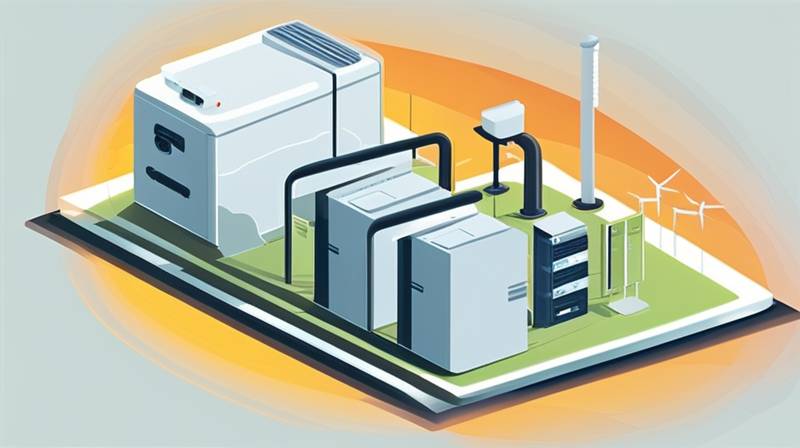
Energy storage plays a crucial role in optimizing Building Energy Management Systems (BEMS) by ensuring efficiency, resilience, and sustainability. 1. Enhanced efficiency of energy usage, 2. Peak demand reduction, 3. Renewable energy integration, 4. Backup power capabilities. A significant aspect deserving attention is the integration of renewable energy sources through energy storage systems, which allows BEMS to utilize solar, wind, or other renewable resources effectively. By storing excess energy generation during low-demand periods, buildings can enhance sustainability and reduce their carbon footprint. The transition towards smarter, more energy-efficient infrastructures is seamless with the incorporation of refined energy storage solutions in BEMS, providing unparalleled control over energy consumption and generation.
1. ENHANCED EFFICIENCY OF ENERGY USAGE
A cornerstone of Building Energy Management Systems lies in their ability to enhance overall energy efficiency. With energy storage, BEMS can manage energy flow more effectively, creating a dynamic interface between energy generation, consumption, and storage. The automation that energy storage introduces allows buildings to respond to real-time energy needs, reducing waste and optimizing usage patterns. By analyzing data collected from various system components, BEMS can identify when to store energy and when to draw upon stored reserves, leading to significant cost savings.
Energy storage systems combined with BEMS significantly diminish reliance on grid energy by providing stored energy during peak hours. This strategic maneuver not only conserves energy but also minimizes expenses related to utility demand charges during high consumption periods. With advanced forecasting algorithms, it’s possible to predict energy needs accurately, which allows energy storage systems to function optimally. As buildings adopt these intelligent networks, energy efficiency reaches unprecedented levels, paving the way for a reduced environmental impact and energy expenditures.
2. PEAK DEMAND REDUCTION
Peak demand presents a considerable challenge for energy management in buildings, often resulting in increased tariffs and strain on the local grid. The integration of energy storage with BEMS provides strategically timed energy distribution, helping smooth out load profiles and alleviate peak load issues. By leveraging stored energy during high-demand periods, BEMS can maintain comfort levels without incurring high utility costs associated with peak consumption.
Moreover, energy storage systems serve as a financial hedge against unpredictable spikes in energy prices. By storing energy when it is cheaper, BEMS can deploy that energy during peak pricing periods, thus benefiting economically while supporting grid stability. This strategy not only optimizes building energy use but also contributes to a more resilient energy system overall. As businesses and facilities adopt these advanced management practices, the reduction in peak demand not only brings down costs but also supports sustainability initiatives.
3. RENEWABLE ENERGY INTEGRATION
The proliferation of renewable energy resources highlights the necessity for efficient storage solutions. BEMS equipped with energy storage can harness renewable energy effectively, facilitating its use while managing intermittent supply challenges inherent in solar and wind resources. Energy storage enables the accumulation of surplus energy generated during peak sunlight or wind periods, allowing BEMS to draw on this stored energy when generation is low.
This functionality is crucial for energy self-sufficiency and carbon footprint reduction. By interfacing renewable energy generation with robust storage solutions, BEMS can enhance the economic viability of green technologies, making sustainability an attainable objective for many organizations. The ability to blend renewable resources seamlessly into traditional energy frameworks ensures that buildings not only consume energy intelligently but also contribute positively to the environment.
4. BACKUP POWER CAPABILITIES
A critical feature of energy storage systems within Building Energy Management Systems is their role in providing backup power during outages. The integration of such systems facilitates seamless operation in the event of a power disruption, ensuring that essential functions continue without interruption. The value of reliable backup power cannot be understated, particularly in facilities that prioritize safety and functionality, such as healthcare and emergency response facilities.
With energy storage in place, BEMS can automatically switch to stored energy during grid failures, allowing buildings to maintain operations while ensuring the safety and comfort of occupants. This resilience not only protects infrastructure investments but also helps businesses meet regulatory and operational requirements. Emphasizing the importance of reliable power, energy storage emerges as an essential investment, fostering operational continuity and encouraging confidence in energy management systems.
COMMON INQUIRIES
WHAT TYPES OF ENERGY STORAGE SYSTEMS ARE COMMONLY USED IN BEMS?
Energy storage systems employed in Building Energy Management Systems typically include lithium-ion batteries, flow batteries, and thermal energy storage systems. Lithium-ion batteries are favored for their high energy density and efficiency, making them suitable for both short-term and long-term energy storage applications. They are often utilized for peak shaving and renewable energy integration, providing an adaptable solution. Flow batteries, on the other hand, offer scalability and longer duration energy storage, ideal for larger commercial applications where extended discharge times are necessary.
Thermal energy storage is another common form utilized, particularly in HVAC applications. This system stores thermal energy during periods of low demand, releasing it during peak hours to address cooling or heating requirements. Each type of energy storage system has its unique benefits, and the right choice often depends on specific operational needs, available space, and overall energy management strategies that align with building goals.
HOW DOES ENERGY STORAGE IMPACT ENERGY COSTS?
Implementing energy storage systems in conjunction with Building Energy Management Systems can significantly mitigate energy costs for facilities. By storing energy during off-peak hours when rates are lower and utilizing that stored energy during peak demand hours, organizations can reduce overall energy expenditures. This strategy minimizes the economic impact of demand charges and fluctuating retail energy prices, ultimately contributing to substantial savings.
Furthermore, systems that facilitate renewable energy integration can lead to further economic benefits. When buildings generate their renewable energy and store the excess, they decrease reliance on traditional grid electricity, effectively lowering energy expenses. As energy prices continue to climb, the foresight of adopting energy storage solutions becomes increasingly critical. Through strategic energy consumption and storage, buildings not only save money but also cultivate long-term energy sustainability.
WHAT ARE THE ENVIRONMENTAL BENEFITS OF ENERGY STORAGE IN BEMS?
Incorporating energy storage systems into Building Energy Management Systems presents numerous environmental advantages. By allowing for the integration of renewable energy resources, energy storage minimizes reliance on fossil fuels and reduces greenhouse gas emissions. This aligns with broader sustainability goals and regulatory requirements aimed at mitigating climate change impacts.
Moreover, energy storage enhances grid stability and resilience, thus supporting a cleaner energy landscape. As energy consumption patterns shift and diversify, the demand for reliable backup solutions rises. Energy storage systems provide that reliability while contributing to efforts in resilience against climate-related disruptions. Ultimately, the deployment of energy storage alongside BEMS serves as a catalyst for greener building practices, yielding positive outcomes for both organizations and the environment alike.
The integration of energy storage systems into Building Energy Management Systems marks a pivotal advancement in energy management efforts, responding to the evolving needs of contemporary buildings. Through the multifaceted benefits of enhanced efficiency, peak demand reduction, renewable energy integration, and backup power capabilities, building owners can navigate the complex energy landscape effectively. The significance of energy storage extends beyond mere operational advantages; it fosters an environment conducive to sustainable practices that resonate with organizational objectives and societal expectations.
In an era characterized by rapid technological advancements and shifting energy paradigms, the future of Building Energy Management Systems is intricately linked to the adoption of energy storage solutions. As the market continues to embrace these innovations, organizations equipped with intelligent energy management tools will not only thrive in performance but also exemplify their commitment to environmental stewardship. The intersection of energy storage and BEMS represents a blueprint for optimizing energy strategies, driving profitability, and ultimately contributing to a sustainable future.
Original article by NenPower, If reposted, please credit the source: https://nenpower.com/blog/how-does-energy-storage-support-building-energy-management-systems-bems/

