

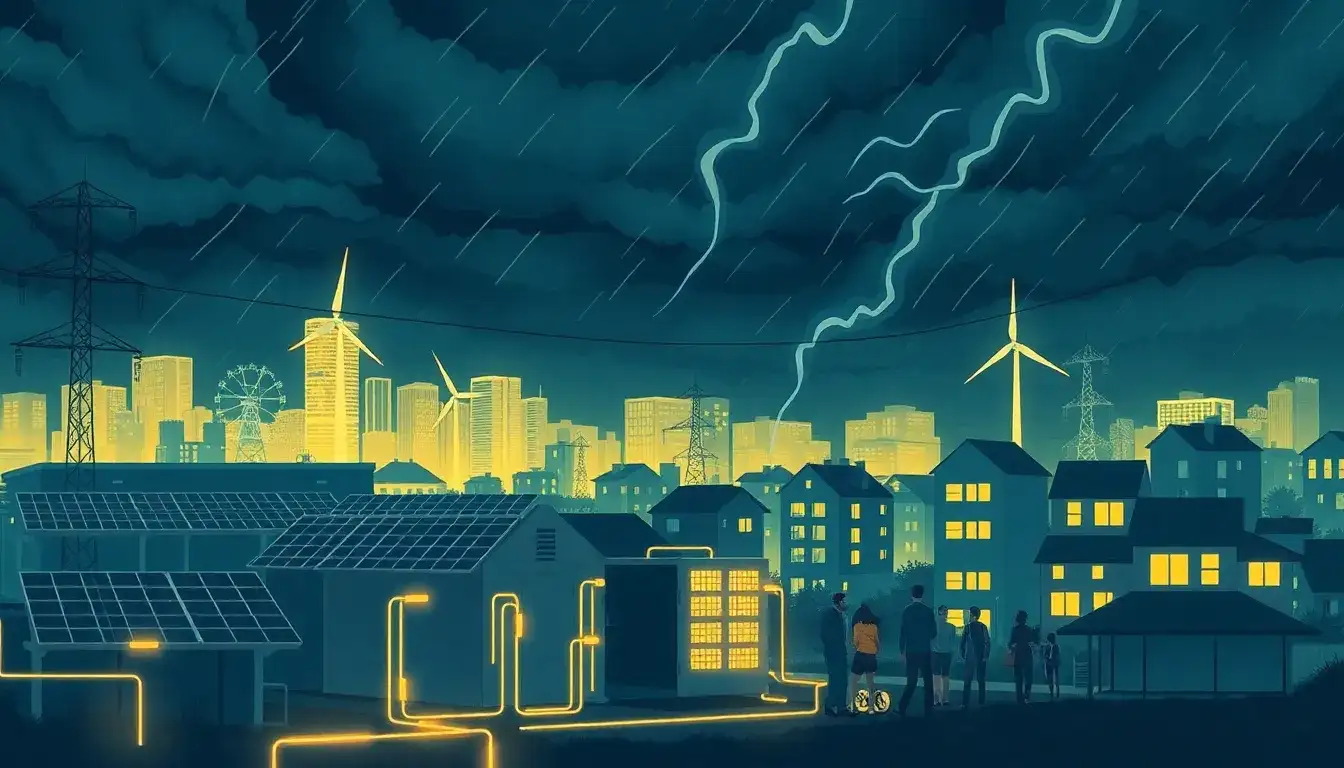
How Energy Storage Mitigates Power Outages
- Buffer Against Peak Demand: Energy storage systems can supply additional power during periods of peak demand, reducing strain on the grid and lowering the likelihood of blackouts or brownouts.
- Immediate Backup Power: Battery energy storage systems (BESS) can provide immediate backup power when they detect a grid failure, ensuring a seamless transition from grid power to stored energy. This capability helps maintain power supply during outages, minimizing disruptions to homes and businesses.
- Flexibility and Scalability: Modern energy storage solutions are scalable and flexible, allowing them to grow with the needs of their users. This adaptability means that energy storage systems can support both small residential needs and large industrial operations without requiring frequent upgrades.
- Integration with Renewable Energy: Energy storage systems can be charged by renewable energy sources like solar and wind power. This integration not only enhances grid reliability but also offers a sustainable solution for reducing dependence on fossil fuels, thereby lowering the risk of outages during peak renewable energy production.
- Reducing Planned Outages: Battery energy storage systems are especially beneficial during planned power outages, ensuring that homes and businesses remain operational without relying on traditional grid power. This capability helps minimize disruptions and economic losses associated with planned outages.
- Microgrid Support: Energy storage can support microgrids, which are local energy systems capable of operating independently. During grid failures or maintenance, microgrids with energy storage can provide continuous power supply, reducing the impact of outages.
By utilizing these strategies, energy storage significantly reduces the risk and impact of power outages, offering a more reliable and resilient energy supply.
Original article by NenPower, If reposted, please credit the source: https://nenpower.com/blog/how-does-energy-storage-reduce-the-risk-of-power-outages/

