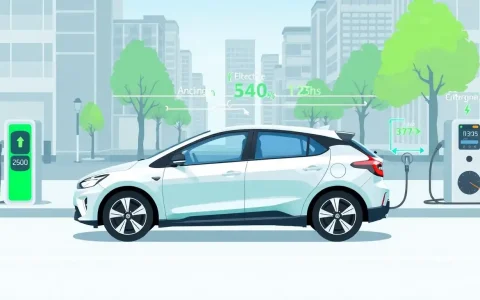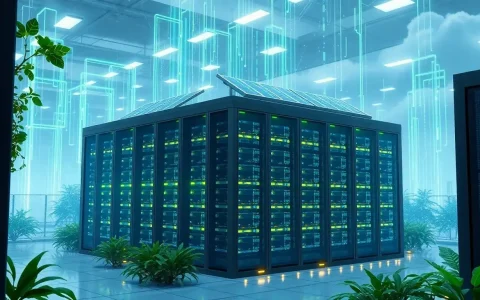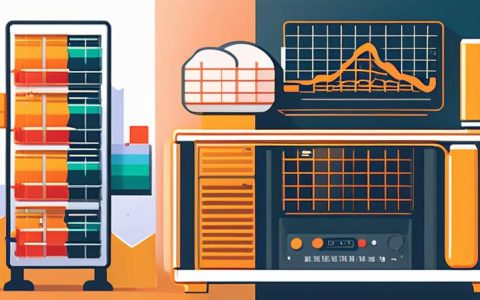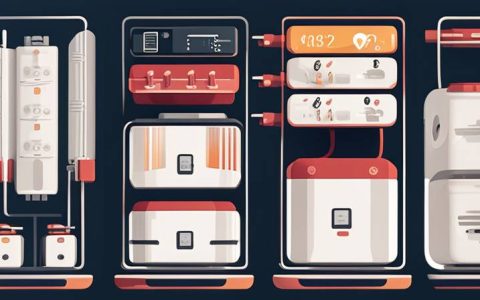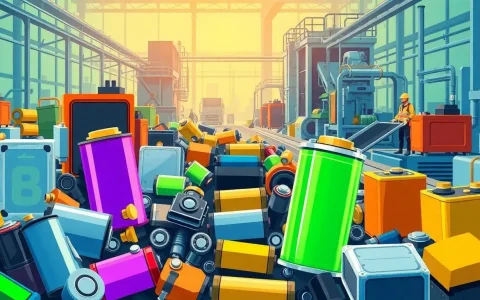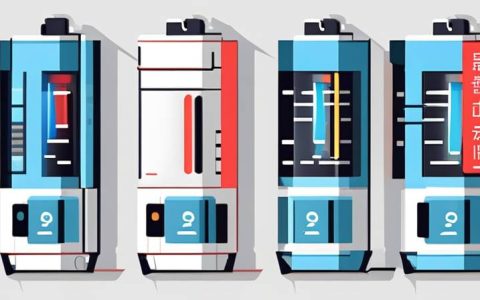
Energy storage reduces the risk of costly power outages by providing a reliable, immediate backup power source that can take over seamlessly when the main power grid fails. Here are the key ways energy storage achieves this:
How Energy Storage Mitigates Power Outages
-
Instantaneous Backup Power Supply
Battery energy storage systems (BESS) can detect power loss and immediately switch from grid power to stored energy without interruption. This instant response prevents downtime and keeps essential operations running smoothly, whether for residential, commercial, or industrial users. The smooth transition minimizes the impact of outages and avoids costly disruptions. -
Enhanced Grid Reliability and Resilience
By storing excess power—often generated from renewable sources like solar—energy storage systems can release electricity during peak demand or grid failures. This not only prevents blackouts by stabilizing grid supply but also reduces reliance on aging and vulnerable grid infrastructure. The flexibility provided by energy storage supports grid stability and reduces the frequency and duration of outages. -
Support During Planned and Unplanned Outages
Energy storage systems are essential during both unexpected outages caused by storms, equipment failure, or accidents, and during planned outages implemented to protect infrastructure (e.g., wildfire prevention blackouts). Battery storage ensures continuous power for critical devices and systems, maintaining productivity, safety, and comfort during these periods. -
Integration with Renewable Energy for Sustainable Backup
Unlike traditional backup generators that run on fossil fuels and produce emissions, energy storage systems paired with solar or wind power provide clean, silent, and low-maintenance backup power. This reduces environmental impact while ensuring energy independence during blackouts. -
Scalability and Adaptability
Modern energy storage solutions can be scaled to meet growing energy needs, easily integrating with existing renewable energy sources or traditional generators. This scalability means businesses and homes can increase their backup capacity as needed without costly system replacements. -
Protection of Critical Appliances and Operations
Energy storage maintains power to essential appliances such as refrigerators, medical devices, heating and cooling systems, and communication tools, thereby protecting health, reducing spoilage of goods, and supporting continuous business operations during outages.
Summary Table of Benefits
| Benefit | Description |
|---|---|
| Instantaneous Power Backup | Immediate switch to stored energy prevents operational downtime |
| Grid Stability & Flexibility | Supports grid by balancing supply and demand, reducing outage risk |
| Coverage of Planned & Unplanned | Maintains power during emergencies and scheduled blackouts |
| Renewable Energy Integration | Clean, quiet backup reducing fossil fuel use and emissions |
| Scalability | Expandable systems that grow with user needs |
| Critical Load Protection | Keeps essential devices and systems running |
In conclusion, energy storage systems considerably reduce costly power outages by providing seamless, clean, and reliable backup power, enhancing grid resilience, supporting renewable integration, and protecting critical operations and appliances during both unexpected and planned disruptions.
Original article by NenPower, If reposted, please credit the source: https://nenpower.com/blog/how-does-energy-storage-reduce-the-risk-of-costly-power-outages/