

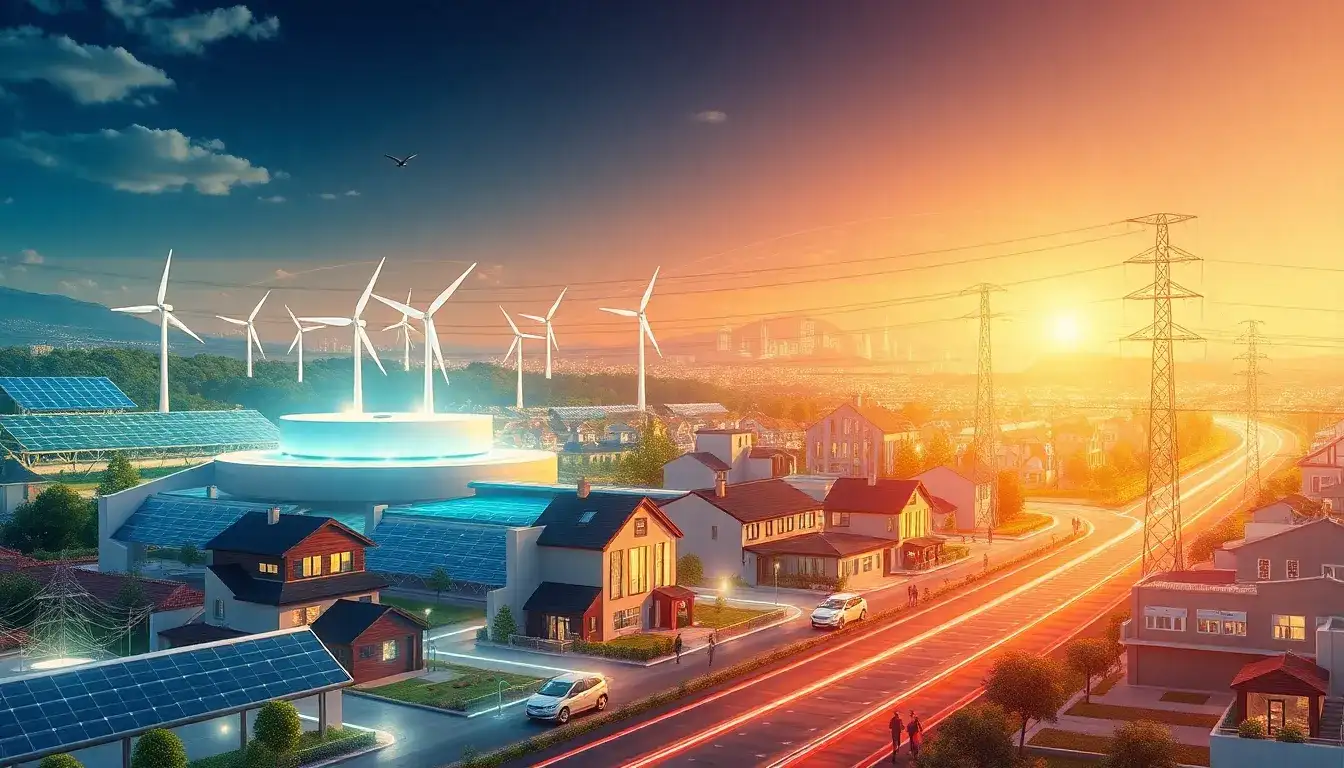
Energy storage reduces reliance on the grid through several key strategies:
Stabilizing and Balancing Energy
- Grid Stability: Energy storage systems help stabilize the grid by absorbing excess energy and releasing it during peak demand periods, maintaining a consistent power supply and reducing the likelihood of blackouts.
- Balancing Supply and Demand: Storage systems can buffer the variability of renewable energy sources like solar and wind, ensuring a consistent energy supply regardless of weather conditions.
Decentralizing Energy Production and Consumption
- Behind-the-Meter Storage: Residential energy storage systems can be aggregated to provide grid support services, reducing the need for central grid power during peak times.
- Community Energy Storage: Decentralized systems allow for localized energy management, enabling communities to generate, store, and use their own renewable energy, thereby reducing reliance on the centralized grid.
Economic Benefits and Grid Resource Optimization
- Cost Reductions: Energy storage can lower electricity costs by storing energy during off-peak times and using it when demand is high, reducing the need to activate costly peaking power plants.
- Grid Infrastructure Optimization: Energy storage can defer or displace costly grid upgrades by managing power flows more efficiently.
Overall, energy storage enables a more flexible, decentralized, and efficient energy system that complements renewable energy sources and enhances grid reliability while reducing overall dependence on central grid infrastructure.
Original article by NenPower, If reposted, please credit the source: https://nenpower.com/blog/how-does-energy-storage-reduce-the-reliance-on-the-grid/

