

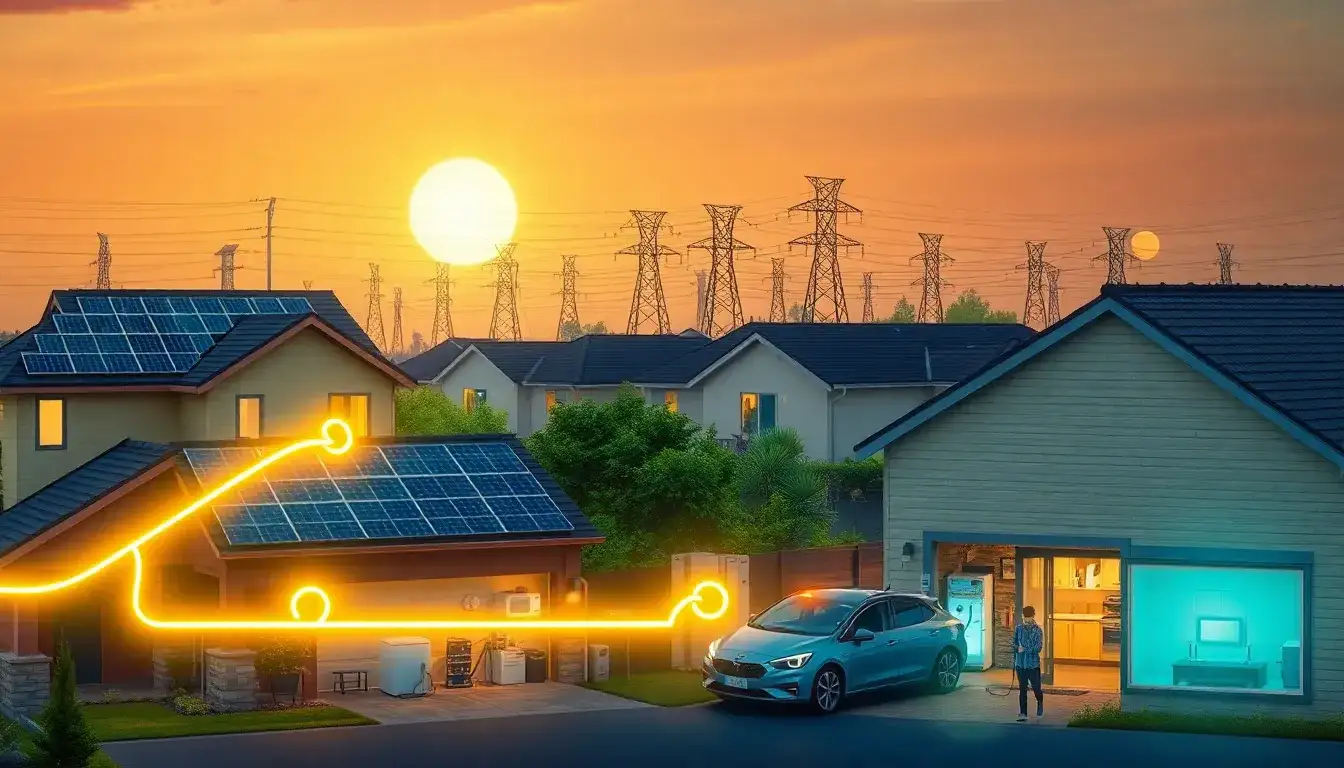
Energy storage systems (ESS), such as batteries, play a crucial role in reducing reliance on the utility grid by enhancing energy resilience, optimizing renewable power usage, and mitigating peak demand challenges. Here’s a detailed look at how energy storage contributes to this transition.
Key Benefits of Energy Storage in Reducing Grid Reliance
1. Grid Flexibility and Stability
- Peak Demand Management: Energy storage can supply electricity during peak demand times, reducing the need for fossil fuel peaking plants that are typically expensive and environmentally harmful. By storing energy during periods of low demand and releasing it during high demand, ESS can effectively alleviate pressure on the grid, thereby decreasing reliance on traditional energy sources.
- Immediate Response: Energy storage systems can inject power into the grid within seconds, providing a rapid response to sudden spikes in demand or drops in generation. This capability helps stabilize the grid and maintain a continuous power supply, which is increasingly vital as renewable energy sources become more prevalent.
2. Enhancing Renewable Energy Integration
- Storing Excess Generation: Energy storage allows for the capture and storage of excess energy generated from renewable sources like solar and wind, which are often variable. This stored energy can then be utilized when generation is low, ensuring a consistent energy supply and reducing the need to draw from the grid during those times. For instance, pairing solar panels with battery storage enables facilities to harness solar energy not just during the day but also at night or during cloudy periods.
- Reducing Curtailment: In areas where renewable energy generation exceeds demand, energy storage can minimize energy waste by storing surplus energy instead of shutting down renewable resources. This capability not only supports cleaner energy use but also helps avoid greenhouse gas emissions that would result from using fossil fuel backup generation.
3. Cost Savings and Economic Efficiency
- Lower Electricity Bills: Businesses and utilities can benefit from lower energy costs by using energy storage to avoid expensive peak pricing. They can charge batteries during off-peak hours when electricity rates are lower and draw from them during peak demand hours, thus reducing their overall energy expenditure.
- Mitigating Infrastructure Costs: Integrating energy storage can help defer or eliminate the need for costly infrastructure upgrades, such as new power lines or substations, by alleviating congestion on the existing grid. This economic efficiency extends to reducing the burden on utility companies, which can then allocate resources more effectively.
4. Supporting Critical Infrastructure and Community Resilience
- Backup Power Supply: Energy storage systems provide a reliable backup power source for critical infrastructure, such as hospitals and emergency services. In the event of power outages, these systems can ensure that necessary services remain operational, enhancing community safety and resilience during emergencies.
- Microgrid Development: Energy storage facilitates the development of microgrids—localized grids that can operate independently from the main grid. Microgrids are particularly valuable in remote or underserved areas, providing access to consistent energy supply and increasing energy security for local communities.
5. Advancing Sustainability Goals
- Meeting Environmental Standards: As organizations strive for sustainability, energy storage enables businesses to increase their use of renewable energy, helping to meet corporate and governmental emissions targets. By reducing reliance on fossil fuels, energy storage contributes significantly to overall greenhouse gas reduction efforts.
Overall, energy storage systems are crucial for creating a more resilient and efficient energy landscape, minimizing grid reliance, and enabling a sustainable transition to renewable resources. By providing flexibility, enhancing reliability, and generating economic benefits, ESS are poised to play an increasingly central role in modern energy infrastructure.
Original article by NenPower, If reposted, please credit the source: https://nenpower.com/blog/how-does-energy-storage-reduce-reliance-on-the-utility-grid/

