

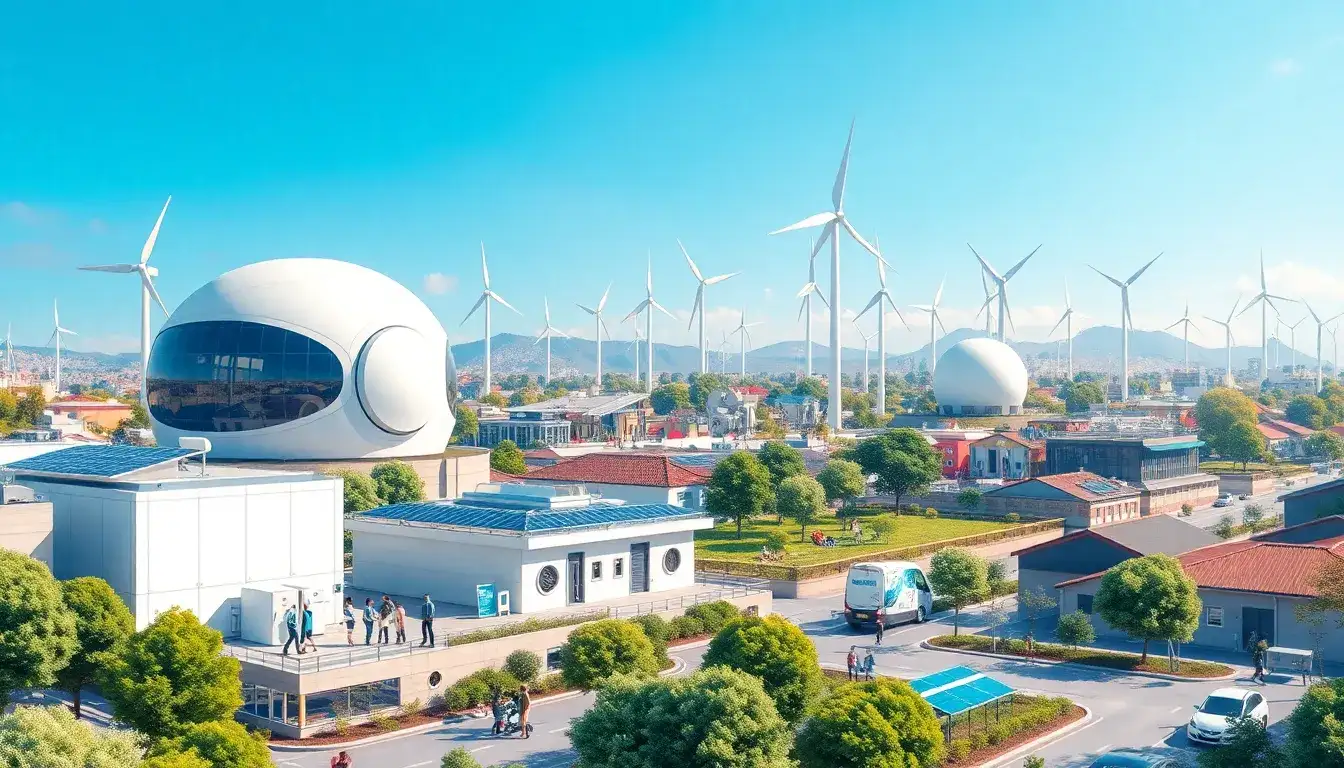
Energy storage reduces reliance on fossil fuels by optimizing energy use, enabling greater integration of renewable energy, and enhancing grid stability and efficiency. Here are the key ways it achieves this:
Optimizing Energy Use and Reducing Fossil Fuel Consumption
- Energy storage systems store energy during periods of low demand, often when renewable energy generation is abundant, and then release it during peak demand times. This process reduces the need to activate fossil fuel power plants to meet peak loads, thus lowering fuel consumption and greenhouse gas emissions.
- By optimizing when energy is used, storage reduces wasted generation and improves overall energy efficiency, which further diminishes fossil fuel dependence.
Facilitating Renewable Energy Integration
- Storage allows excess renewable energy, such as solar power generated during the day, to be saved and used after sunset or when wind energy is low. This capability makes renewable energy more dispatchable and reliable, mimicking the role traditionally played by fossil fuel plants but without emissions.
- Without energy storage, excess renewable energy often goes to waste due to overproduction and grid constraints. Storage captures this energy, reducing waste and enabling higher renewable penetration on the grid.
Enhancing Grid Stability and Reducing Fossil Fuel Peaking Plants
- Energy storage stabilizes the electrical grid by quickly responding to fluctuations in demand and supply. This reduces the reliance on inefficient and polluting fossil fuel peaking plants that are often turned on to meet short periods of high electricity demand.
- By smoothing demand peaks and providing stored clean energy, storage reduces the economic and environmental costs associated with running fossil fuel plants during peak periods.
Environmental and Economic Benefits Supporting Fossil Fuel Reduction
- Reduced greenhouse gas emissions due to lower fossil fuel use support climate change mitigation.
- Conservation of natural resources results from decreased fossil fuel extraction.
- Energy storage projects contribute to local economies through job creation and revenue generation, further supporting a shift to cleaner energy infrastructures.
In summary, energy storage serves as a critical enabler for a renewable energy-powered grid by storing clean energy for later use, optimizing energy demand, avoiding waste, and minimizing fossil fuel power plant use, thus significantly reducing reliance on fossil fuels and their associated environmental impacts.
Original article by NenPower, If reposted, please credit the source: https://nenpower.com/blog/how-does-energy-storage-reduce-reliance-on-fossil-fuels/

