

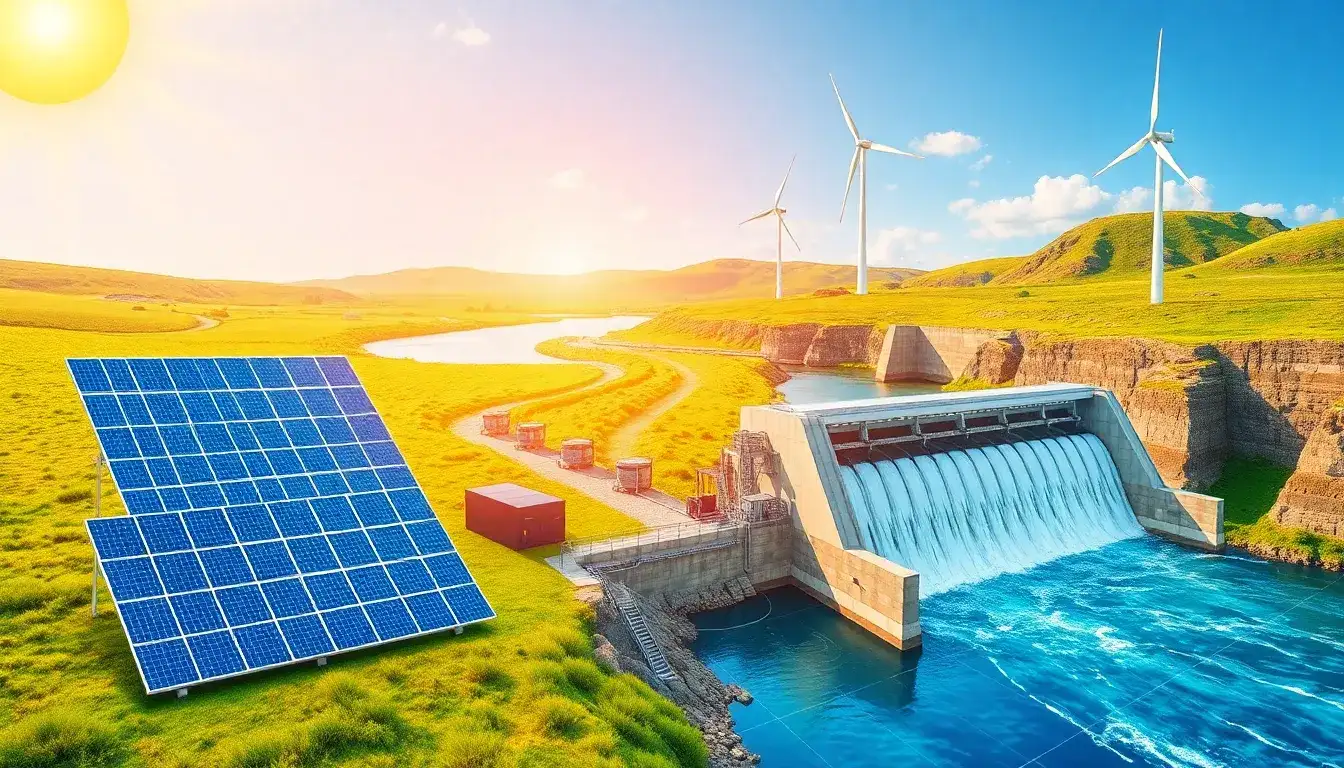
Energy storage plays a vital role in integrating different types of renewable energy sources into the grid by mitigating their variability. Here’s how energy storage integrates with various renewable energy sources:
1. Solar Energy
- Variability Management: Solar energy production varies significantly due to weather conditions like clouds or changing daylight hours. Energy storage can store excess solar power generated during sunny days and release it on cloudy days or during peak demand periods, ensuring a stable power supply.
- Peak Demand Shifting: Energy storage allows solar energy generated during the day to be used during evening peak hours when demand is higher, thereby smoothing out solar output fluctuations.
2. Wind Energy
- Intermittency Smoothing: Wind power generation is also intermittent due to variable wind speeds. Energy storage can charge when wind is strong and discharge when it is not, stabilizing the grid and ensuring consistent power delivery.
- Grid Stability: Energy storage helps manage short-term variability in wind output, providing services like frequency regulation and load following to maintain grid stability.
3. Hydroelectric Power
- Pumped-Storage Hydro: This is a traditional form of energy storage where excess energy is used to pump water into a reservoir. When needed, the water is released to generate electricity, providing long-term energy storage capability.
- Integration with Other Renewables: Pumped hydroelectricity often complements other renewable sources by storing excess energy from solar or wind during low-demand periods and releasing it during peak times.
4. Other Innovations in Renewable Energy Storage
- Thermal and Phase Transition Energy Storage: Technologies like thermal sand batteries and liquid-to-air transition energy storage are emerging as innovative ways to store excess energy generated by renewable sources for later use.
- Hydrogen Production: Renewable energy can be used to produce hydrogen through electrolysis, which can be stored for later use in power generation or transportation, offering another pathway for renewable integration.
Benefits of Energy Storage Integration
- Reduced Curtailment: Energy storage reduces the need to curtail renewable generation during periods of low demand, maximizing the utilization of clean energy.
- Grid Flexibility and Stability: It provides essential grid services such as frequency regulation and peak demand management, ensuring grid stability.
- Increased Renewable Penetration: By smoothing out variability and providing a reliable supply, energy storage enables greater integration of renewable energy sources into the grid.
Overall, energy storage enhances the practicality and reliability of renewable energy sources by compensating for their intermittent nature, thus supporting a more sustainable energy mix.
Original article by NenPower, If reposted, please credit the source: https://nenpower.com/blog/how-does-energy-storage-integrate-with-different-types-of-renewable-energy-sources/

