

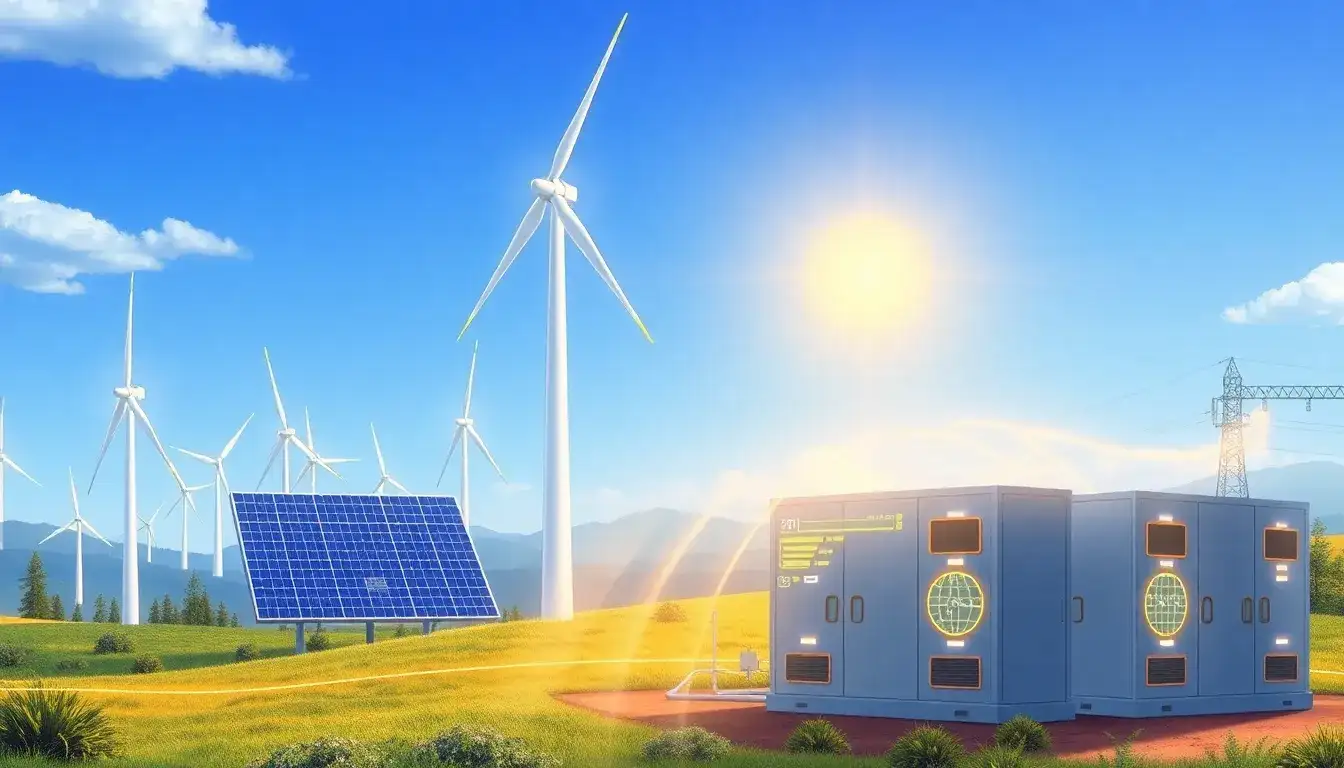
Energy storage plays a crucial role in improving the reliability of wind-solar hybrid systems by addressing some of the intermittency challenges associated with these renewable energy sources. Here’s how:
- Mitigating Intermittency:
- Wind and Solar Variability: Wind and solar power can be unpredictable due to weather conditions, leading to fluctuations in energy output. Energy storage devices like batteries can capture excess energy produced during periods of high output, allowing it to be used during low-output periods, thus stabilizing the power supply.
- Enhancing System Reliability:
- Backup Power: Energy storage systems provide backup power during times when wind or solar generation is insufficient, ensuring a stable supply of electricity and improving overall system reliability. For example, incorporating energy storage in wind-dominant systems can increase their reliability significantly.
- Meeting Peak Demand: By storing energy during off-peak hours, energy storage systems help meet peak demand more effectively, reducing the likelihood of power outages and enhancing grid stability.
- Grid Stability and Resilience:
- Frequency and Voltage Regulation: Energy storage can inject or absorb power to stabilize grid frequency and voltage, which is essential for maintaining grid stability. This capability is particularly beneficial in hybrid systems where power quality can fluctuate.
- Microgrid Support:
- Islanded Mode: In cases where the main grid is disrupted, energy storage can support a microgrid powered by wind and solar, allowing critical loads to continue receiving power. This enhances grid resilience, particularly during major outages.
Overall, energy storage is a critical component that significantly enhances the performance and reliability of wind-solar hybrid systems, making them more viable for widespread adoption.
Original article by NenPower, If reposted, please credit the source: https://nenpower.com/blog/how-does-energy-storage-improve-the-reliability-of-wind-solar-hybrid-systems/

