Role of Energy Storage in Grid Reliability
- Smoothing Renewable Fluctuations:
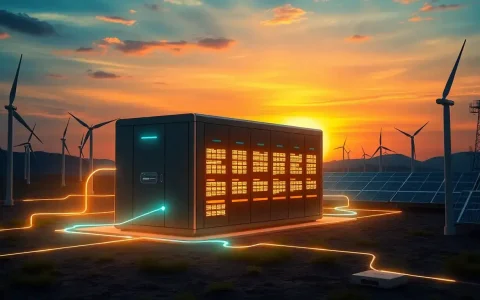
- Energy storage systems, particularly batteries, can absorb excess energy generated by renewable sources like solar and wind during periods of high production.
- This stored energy is then released when these sources are not generating power, ensuring a stable supply of electricity.
- Real-Time Supply and Demand Balancing:
- Batteries can rapidly adjust their output to balance supply and demand during real-time changes in electricity usage, a capability surpassing traditional thermal generation units.
- This prevents power outages and maintains grid stability by compensating for sudden peaks or troughs in electricity demand.
- Providing Essential Grid Services:
- Energy storage systems offer various reliability services, such as black start capabilities, peaking capacity, and operating reserves, which are essential for maintaining grid stability.
- These services help the grid to recover quickly from disruptions or blackouts, enhancing resilience.
- Enhancing Resilience During Extreme Events:
- Energy storage acts as a backup power source during extreme weather conditions, minimizing the likelihood of prolonged outages and ensuring rapid recovery.
- It helps maintain critical infrastructure and supports regions impacted by natural disasters or severe weather events.
- Supporting Grid Modernization:
- As the grid integrates more variable renewable sources, energy storage plays a crucial role in maintaining system stability and operational efficiency.
- It complements the development of new transmission lines, allowing the efficient utilization of renewable resources located far from load centers.
Challenges in Energy Storage Reliability
Despite its benefits, there are still uncertainties regarding the long-term reliability of many energy storage technologies, particularly newer ones. These challenges include limited operational data, diverse technology types, and rapid technological advancements, which complicate the assessment of reliability over time.
In summary, energy storage is pivotal for enhancing grid reliability by stabilizing renewable energy integration, balancing supply and demand in real-time, and supporting critical grid services and resilience during disruptions. However, addressing the reliability gaps in new energy storage technologies remains a priority for ongoing grid modernization.
Original article by NenPower, If reposted, please credit the source: https://nenpower.com/blog/how-does-energy-storage-improve-the-reliability-of-the-power-grid/