

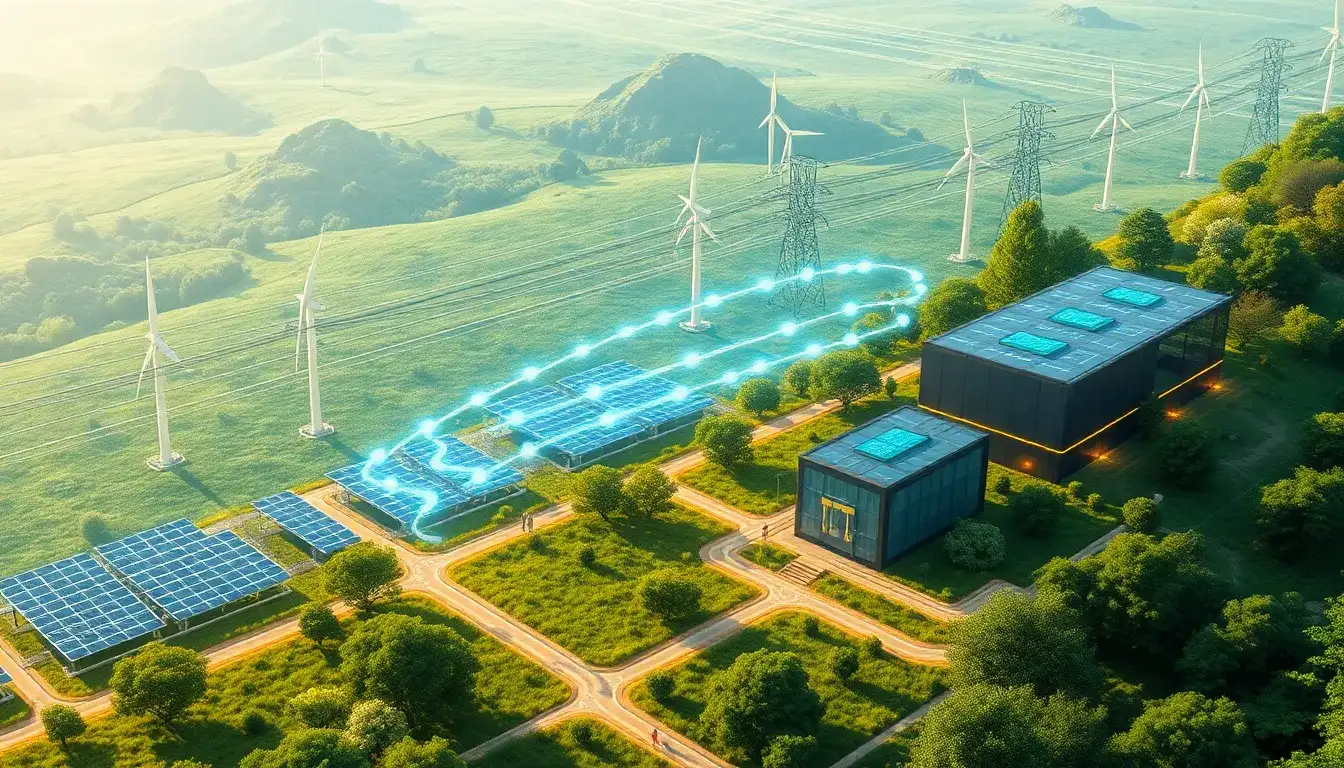
Energy storage improves the reliability of the grid in several key ways:
Balancing Supply and Demand
- Instant Dispatchability: Energy storage systems, especially grid-scale batteries, can instantaneously dispatch the exact amount of electricity needed when demand rises. This capability allows them to balance supply and demand more effectively than traditional electricity generators, which often require more time to ramp up or down.
- Storing Excess Energy: During periods of low demand, excess clean energy from renewable sources can be stored. This stored energy is then available for dispatch during peak demand times, reducing the reliance on costly and polluting peaker plants.
Enhancing Grid Resilience
- Withstanding Extreme Events: Energy storage serves as a backup power source for homes, businesses, and the broader grid system. This capability helps minimize power outages during extreme weather events, ensuring continued operation and quick recovery from disruptions.
- Smoothing Renewable Fluctuations: The output of renewable energy sources like wind and solar can be variable. Energy storage systems can charge during periods of high renewable energy generation and discharge when needed, ensuring a stable grid.
Operational Flexibility
- Rapid Response: Batteries have high ramping rates, allowing them to quickly adjust to changes in demand or supply, providing stability support even faster than conventional thermal plants.
- Grid Stabilization Services: Energy storage can provide services such as black start (initializing grid power after a blackout), peaking capacity (meeting peak demand), and operating reserves, which are crucial for maintaining grid stability.
Economic Benefits and Policy Support
- Cost-Effective Alternatives: Energy storage can be a cost-effective alternative to traditional reliability measures like gas-fired power plants, especially when supported by favorable policies and market reforms.
- Market Reforms: Implementing reforms in electricity markets can enhance the integration of energy storage, boosting reliability while reducing costs for consumers. However, there is still a need for significant policy support to reach deployment targets efficiently.
Despite these benefits, there are ongoing challenges related to the long-term reliability of energy storage technologies, including a lack of historical operational data and diverse technology solutions. Addressing these challenges is crucial for fully leveraging energy storage’s potential in enhancing grid reliability.
Original article by NenPower, If reposted, please credit the source: https://nenpower.com/blog/how-does-energy-storage-improve-the-reliability-of-the-grid/

