

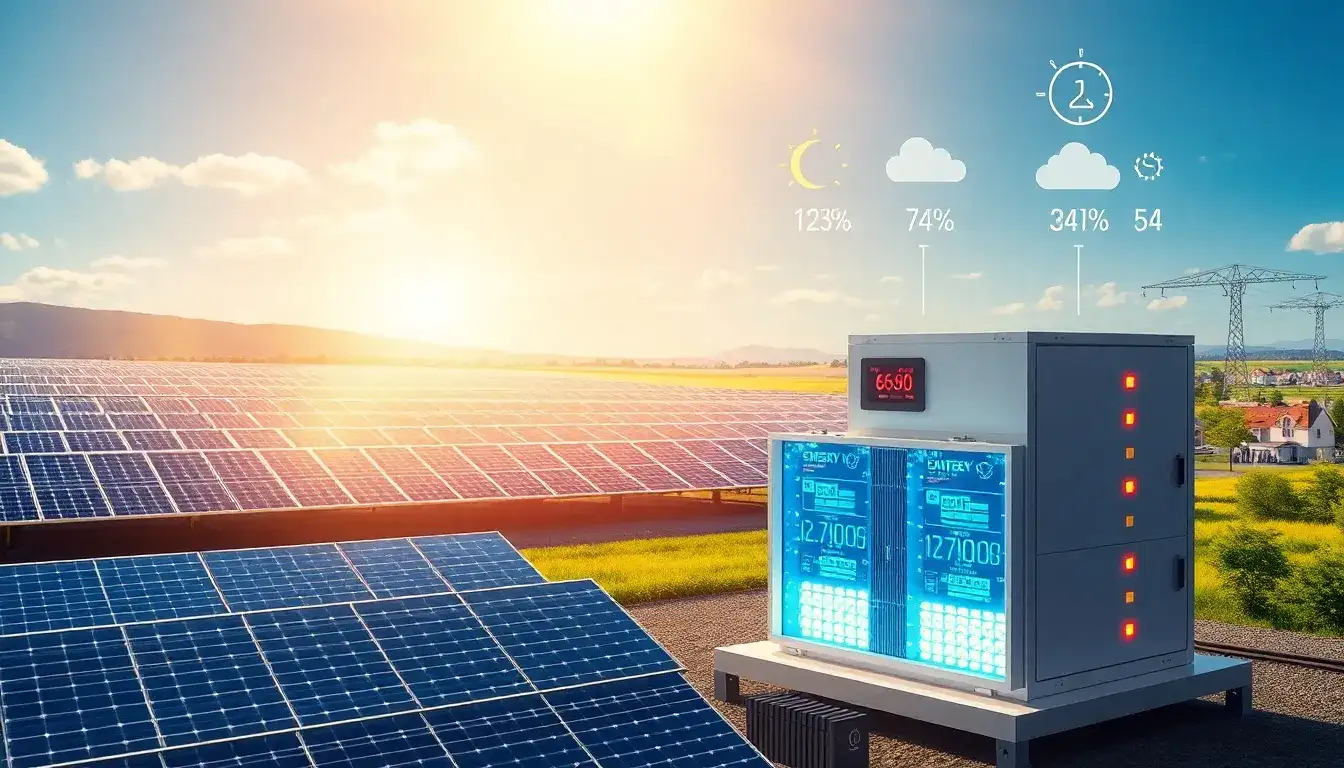
Energy storage significantly enhances the reliability of solar power systems in several ways:
1. Mitigation of Intermittency
Solar power is intermittent because it depends on weather conditions. Energy storage systems, such as batteries, store excess solar energy generated during the day for use at night or during periods of low sunlight, ensuring a consistent power supply.
2. Peak Demand Management
Combining solar with energy storage can increase the system’s capacity to meet peak energy demands. Solar reduces the peak load by generating power during the day, while stored energy handles demand peaks at night or during cloudy periods.
3. Backup Power During Outages
Energy storage provides backup power during grid outages, ensuring continuous operation even when the grid is down. This is especially important for residential and commercial users relying on solar power as a primary energy source.
4. Seasonal Variability Management
While solar energy production varies seasonally, energy storage helps to smooth out these fluctuations by storing surplus energy from more productive seasons for use in less productive ones.
However, despite these benefits, there are still challenges related to the long-term reliability of energy storage technologies. Research is ongoing to develop frameworks for assessing and improving the reliability of these systems.
Original article by NenPower, If reposted, please credit the source: https://nenpower.com/blog/how-does-energy-storage-improve-the-reliability-of-solar-power-systems-2/

