

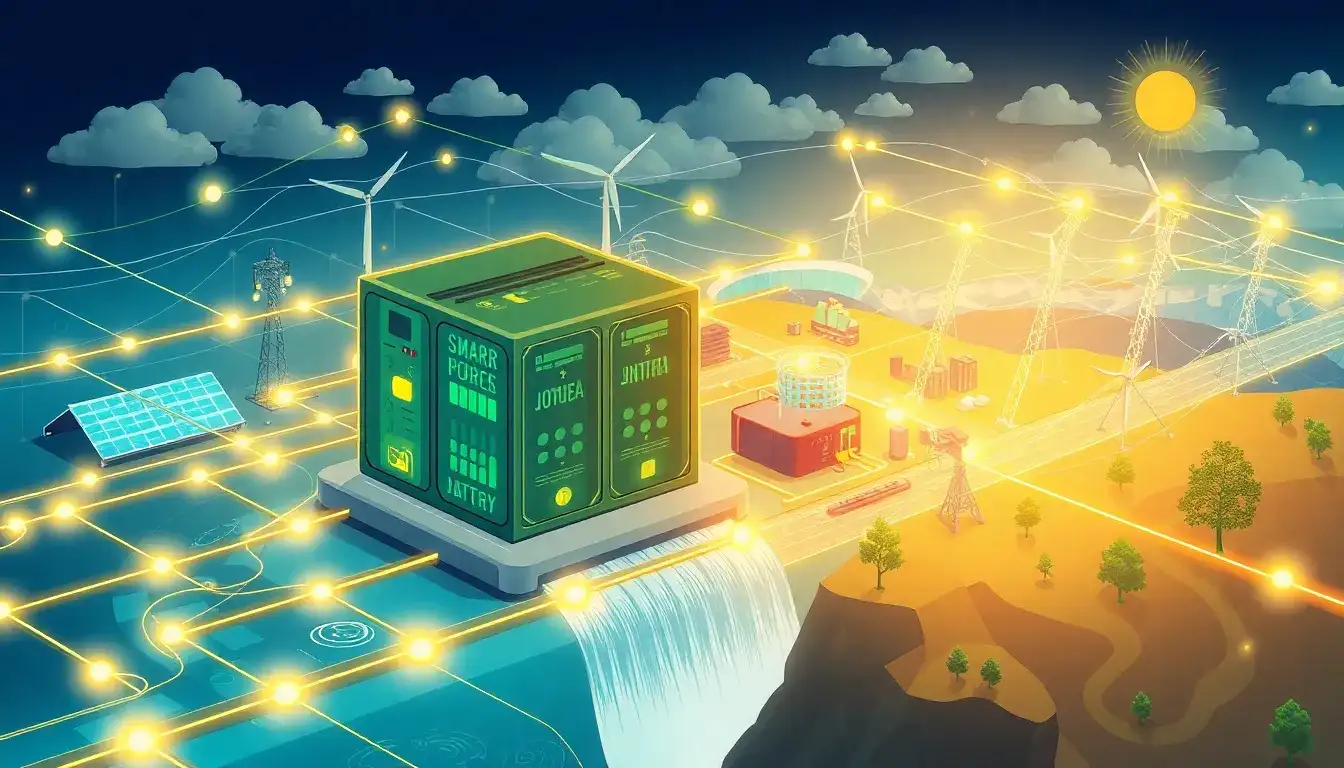
Energy storage significantly enhances grid reliability and resilience by addressing several critical challenges in the electricity system. Here’s how it improves grid stability and operational effectiveness:
Key Mechanisms of Energy Storage for Grid Reliability
- Flexible Grid Operations: Energy storage systems, particularly batteries, provide the flexibility to charge during periods of low demand or when renewable energy is abundant, and discharge when needed, ensuring a smooth supply of electricity during peak hours. This flexibility helps balance supply and demand in real-time, making grid operations more efficient.
- Stability Services: Batteries offer fast response times, allowing them to stabilize the grid by correcting for voltage fluctuations and frequency imbalances. They can restore power quickly in the event of a disturbance, ensuring that the grid remains within safe operational parameters.
- Black Start Capability: Some energy storage systems can restart the grid after a complete blackout, a feature essential for restoring power to critical infrastructure and maintaining grid resilience.
- Peaking Capacity and Operating Reserves: Energy storage can provide peaking capacity to meet short-term spikes in demand and can serve as operating reserves, allowing grid operators to manage unexpected shortages or disruptions more effectively.
- Integration of Renewables: By charging during periods of high renewable energy output, energy storage helps integrate intermittent sources like wind and solar into the grid more effectively, reducing reliance on fossil fuels.
Challenges and Opportunities
While energy storage offers numerous benefits for grid reliability, there are challenges related to its deployment, including the need for updated market rules to fully integrate storage technologies into existing grids. Additionally, there is a lack of long-term reliability data for newer energy storage technologies, which can complicate assessments of their long-term effectiveness.
To meet future energy demands, significant expansions in energy storage capacity are recommended, with targets like those proposed by SEIA emphasizing the need for increased storage installations to ensure grid resilience and reliability. Addressing policy and regulatory barriers will be crucial in achieving these objectives.
Original article by NenPower, If reposted, please credit the source: https://nenpower.com/blog/how-does-energy-storage-improve-grid-reliability-and-resilience/

