

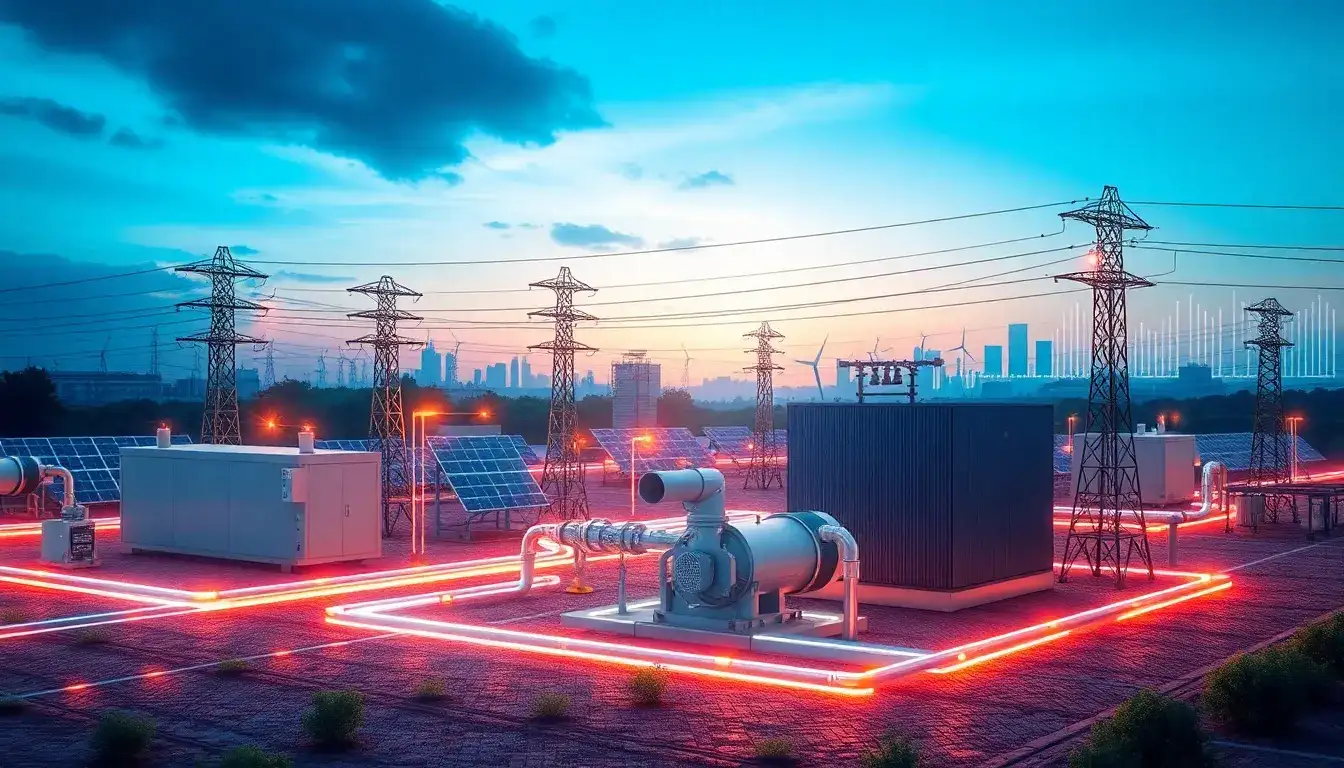
Energy storage significantly impacts the reliability of the electrical grid by addressing key challenges associated with integrating renewable energy, balancing supply and demand, and enhancing grid resilience. Here is a detailed overview of how energy storage contributes to grid reliability:
Balancing Supply and Demand
- Energy storage systems (ESS), such as batteries, can store excess electricity generated during periods of low demand or high renewable output and release it during peak demand periods. This time-shifting capability helps maintain balance between electricity supply and demand, reducing the risk of outages or instability.
- By smoothing out the variability and intermittency of renewable sources like wind and solar, storage helps position renewables to serve as more reliable baseload generation.
Enhancing Grid Stability and Resilience
- Storage can absorb excess power to prevent thermal overloading of transmission lines and manage power flows, which protects grid infrastructure and extends its life.
- It provides operational flexibility to respond quickly to disturbances such as voltage fluctuations or sudden outages, thus increasing overall grid resilience.
- In extreme weather events or outages, storage systems can supply backup power to critical loads, supporting operational continuity.
Deferring Infrastructure Investment and Reducing Costs
- Energy storage can be strategically deployed as transmission assets to increase power transfer capabilities and reduce congestion, potentially avoiding costly new infrastructure like high-voltage transmission lines.
- By reducing reliance on expensive polluting peaker plants and lowering peak demand charges, storage helps stabilize electricity prices and reduce overall energy costs for users.
Supporting Renewable Integration and Emissions Reduction
- Co-locating storage with renewable energy plants allows excess clean energy to be saved and dispatched when needed, enhancing the value and reliability of renewable generation.
- This integration supports the transition to a low-carbon grid by enabling gridded renewables to replace fossil fuel generation more effectively.
- However, some analyses indicate that market dynamics can sometimes lead to unintended consequences, such as favoring higher-emission coal plants in certain cases, highlighting the need for carefully designed policies and market structures.
Distributed and Behind-the-Meter Benefits
- Residential and commercial batteries, often paired with solar, can be aggregated to provide grid services, balancing local demand and supply, and offering backup power to end users.
- Virtual power plant programs demonstrate how distributed storage can reduce electricity costs and improve regional grid balance by replacing fossil-fuel peaker plants during peaks.
Overall, energy storage is a critical technology for increasing the reliability, flexibility, and resilience of modern electrical grids while facilitating the integration of variable renewable energy sources and helping to reduce emissions. Its role spans from improving operational stability to reducing costs and deferring infrastructure upgrades, making it indispensable for the evolving energy landscape.
Original article by NenPower, If reposted, please credit the source: https://nenpower.com/blog/how-does-energy-storage-impact-the-reliability-of-the-electrical-grid-2/

