

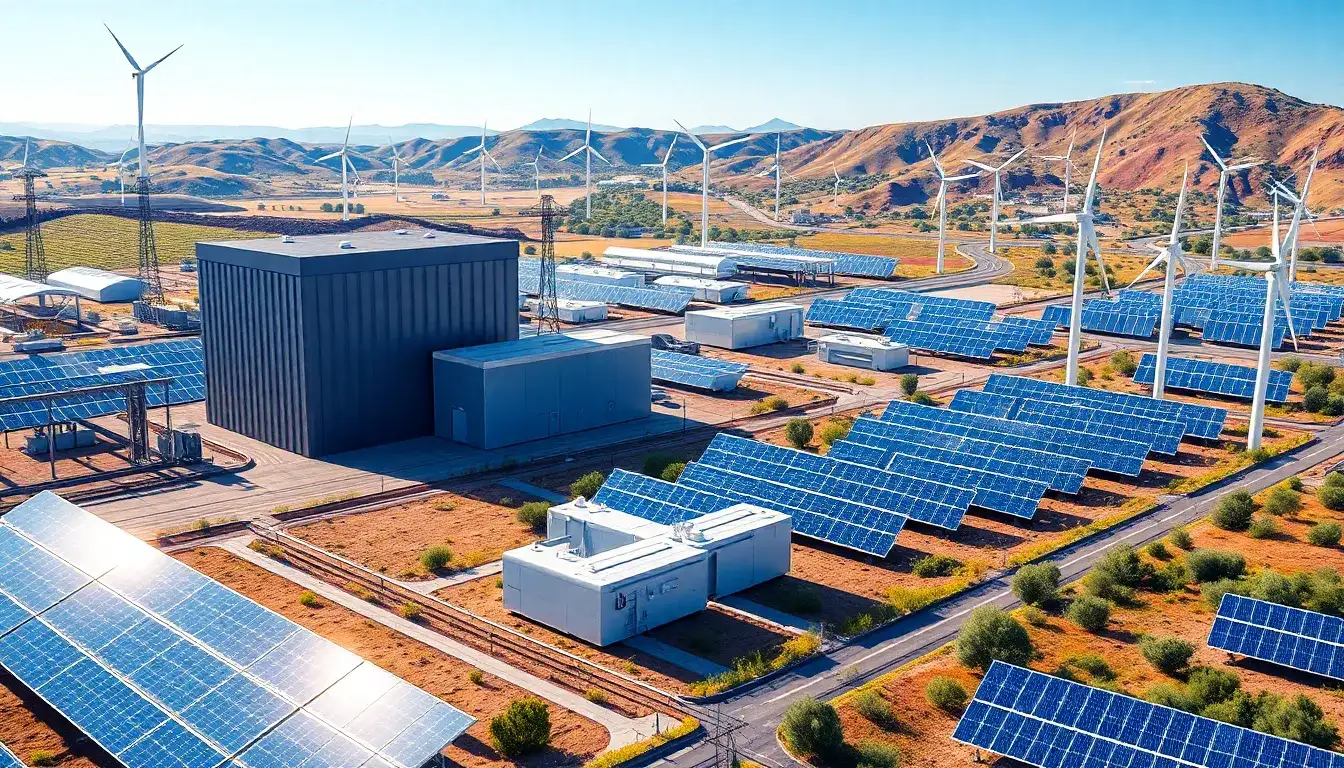
Energy Storage and Grid Stability with Renewables
Energy storage plays a pivotal role in stabilizing the grid when integrating renewable energy sources like solar and wind. These sources are variable, meaning they generate power only when the sun shines or the wind blows, leading to fluctuations in the energy supply. Energy storage solutions help to mitigate these fluctuations by storing excess energy generated during periods of high renewable output and releasing it during periods of low output or high demand. Here’s how energy storage stabilizes the grid:
Key Functions of Energy Storage
- Balancing Supply and Demand: Energy storage systems absorb excess energy when demand is low and release it when demand peaks. This helps maintain a consistent energy supply, ensuring that the grid operates within optimal frequency and voltage ranges.
- Integrating Renewable Energy: By storing energy generated from renewables, energy storage systems facilitate the integration of these intermittent sources into the grid. This allows for a smoother transition away from fossil fuels, reducing greenhouse gas emissions.
- Providing Ancillary Services: Energy storage systems can rapidly adjust to changes in grid conditions. They offer frequency regulation and voltage support, essential for maintaining stable grid operations.
- Enhancing Grid Resilience: Energy storage helps reduce the reliance on peaking power plants, which are often less efficient and more polluting. This improves the efficiency and sustainability of the grid.
Solutions and Technologies
- Advanced Battery Storage: Technologies like lithium-ion batteries and solid-state batteries are becoming increasingly important for large-scale energy storage. They offer high efficiency and capacity, enabling longer storage durations.
- Smart Grid Technologies: These include Phasor Measurement Units (PMUs) and automated feeder switches that enhance grid monitoring and management. They help integrate renewable energy smoothly and manage demand in real time.
- Distributed Energy Storage: Decentralized storage systems allow for localized energy management, empowering consumers to store and use their own renewable energy. This reduces strain on the main grid and enhances overall resiliency.
Challenges and Opportunities
Despite the benefits, there are challenges to overcome, such as regulatory hurdles and infrastructure upgrades. However, supportive policies and technological advancements are driving down costs and increasing the adoption of energy storage solutions. As a result, the future outlook for using energy storage to stabilize the grid with renewables is promising.
Original article by NenPower, If reposted, please credit the source: https://nenpower.com/blog/how-does-energy-storage-help-stabilize-the-grid-with-renewables/

