

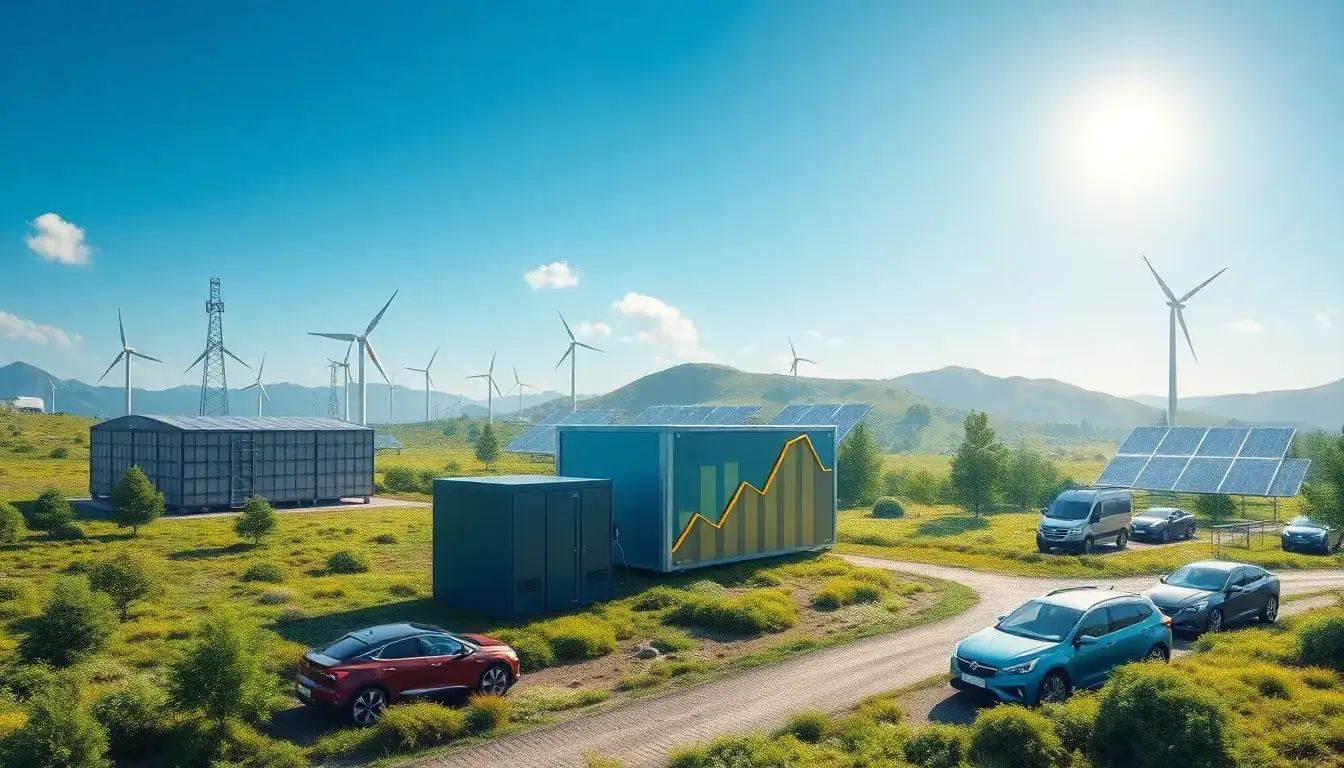
Energy storage systems, particularly battery energy storage, play a significant role in reducing carbon emissions through several mechanisms:
Ways Energy Storage Helps Reduce Carbon Emissions
- Optimization of Renewable Energy: Energy storage allows for the efficient use of renewable energy sources like solar and wind power. By storing excess energy generated during periods of high production, energy storage systems can mitigate the intermittency of renewables, reducing the reliance on fossil fuels for power generation.
- Shift to Cleaner Energy Sources: By charging during times when marginal emissions are low (e.g., during surplus renewable energy production), energy storage systems can shift energy usage away from coal-fired units or other high-emission sources, thus reducing overall carbon emissions.
- Grid Stabilization: Energy storage helps stabilize the grid by smoothing power generation fluctuations. This stability ensures that renewable energy can be effectively integrated into the grid, further reducing dependence on fossil fuels.
- Peak Demand Management: During peak demand periods, energy storage can supply electricity, reducing the need for activating high-emission power plants. This approach minimizes the strain on the grid during peak hours, lowering carbon emissions.
- Supporting Net Zero Goals: By enhancing the efficiency and reliability of renewable energy systems, energy storage supports the achievement of net-zero carbon goals by reducing greenhouse gas emissions from energy production.
Through these mechanisms, energy storage systems contribute significantly to reducing carbon emissions and supporting a transition towards cleaner energy systems.
Original article by NenPower, If reposted, please credit the source: https://nenpower.com/blog/how-does-energy-storage-help-reduce-carbon-emissions/

