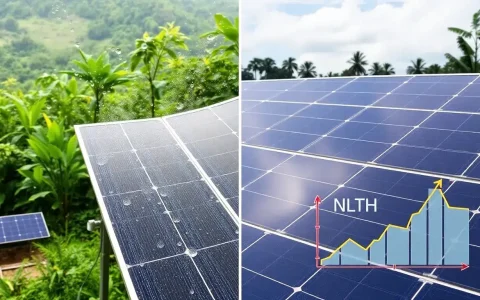
Energy storage plays a vital role in mitigating the intermittency of solar energy, which is characterized by fluctuations in production due to factors like weather conditions and time of day. Here’s how energy storage addresses these challenges:
How Energy Storage Mitigates Intermittency
1. Storing Surplus Energy:
Energy storage systems, particularly batteries, can capture excess solar energy generated during peak sunlight hours. This stored energy can be released during periods of low solar production, such as at night or on cloudy days. This process helps maintain a consistent power supply when solar generation is not available. By charging during off-peak hours, when solar output is high, energy storage ensures that electricity generated isn’t wasted but is instead utilized during moments of high demand.
2. Balancing Load and Demand:
Energy storage facilitates load management by allowing the grid to level out the supply and demand for electricity. Without storage, electricity generation and consumption must occur simultaneously, leading to potential overgeneration or shortages. Storage systems can be charged when demand is low and discharged when demand peaks, particularly during evening hours when electricity use typically surges. This balancing act is crucial for maintaining grid stability and efficiency.
3. Enhancing Grid Reliability:
Energy storage systems help smooth out variations in solar energy production. For instance, the output from solar panels can fluctuate due to passing clouds. Short-term storage solutions can absorb these variations, maintaining a steady output and enhancing overall grid reliability. This “firming” of solar generation ensures that any quick changes in production do not disrupt the electrical supply.
4. Supporting Renewable Integration:
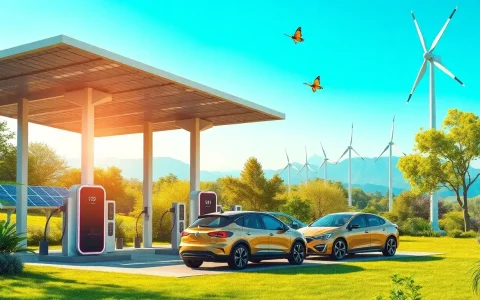
By integrating energy storage with solar energy systems, utilities can more effectively harness and utilize solar power. Storage allows for the transformation of intermittent solar resources into a more stable and reliable energy source, effectively converting them into baseload power alternatives. This means that as renewable sources like solar and wind become more prevalent, energy storage will be essential in replacing traditional fossil fuel-based generation methods.
5. Providing Backup Power:
In addition to managing demand and balancing loads, energy storage systems can offer backup power during outages or disruptions. This capability increases resilience, allowing critical services and infrastructure to remain operational during electrical disruptions. By combining solar energy with storage, communities can rely more on renewable sources, minimizing dependence on non-renewable energy sources.
6. Economic Advantages:
As energy storage technology continues to advance, the economic models supporting its integration with solar energy become more favorable. Utilizing stored energy during peak pricing periods can be financially advantageous, providing a return on investment through energy cost savings and potential market participation.
In summary, energy storage is a critical component in addressing the intermittency of solar energy. It allows for the efficient use of generated power, ensures reliability, balances energy loads, enhances grid stability, and contributes to a cleaner, more sustainable energy landscape.
Original article by NenPower, If reposted, please credit the source: https://nenpower.com/blog/how-does-energy-storage-help-mitigate-the-intermittency-of-solar-energy/