

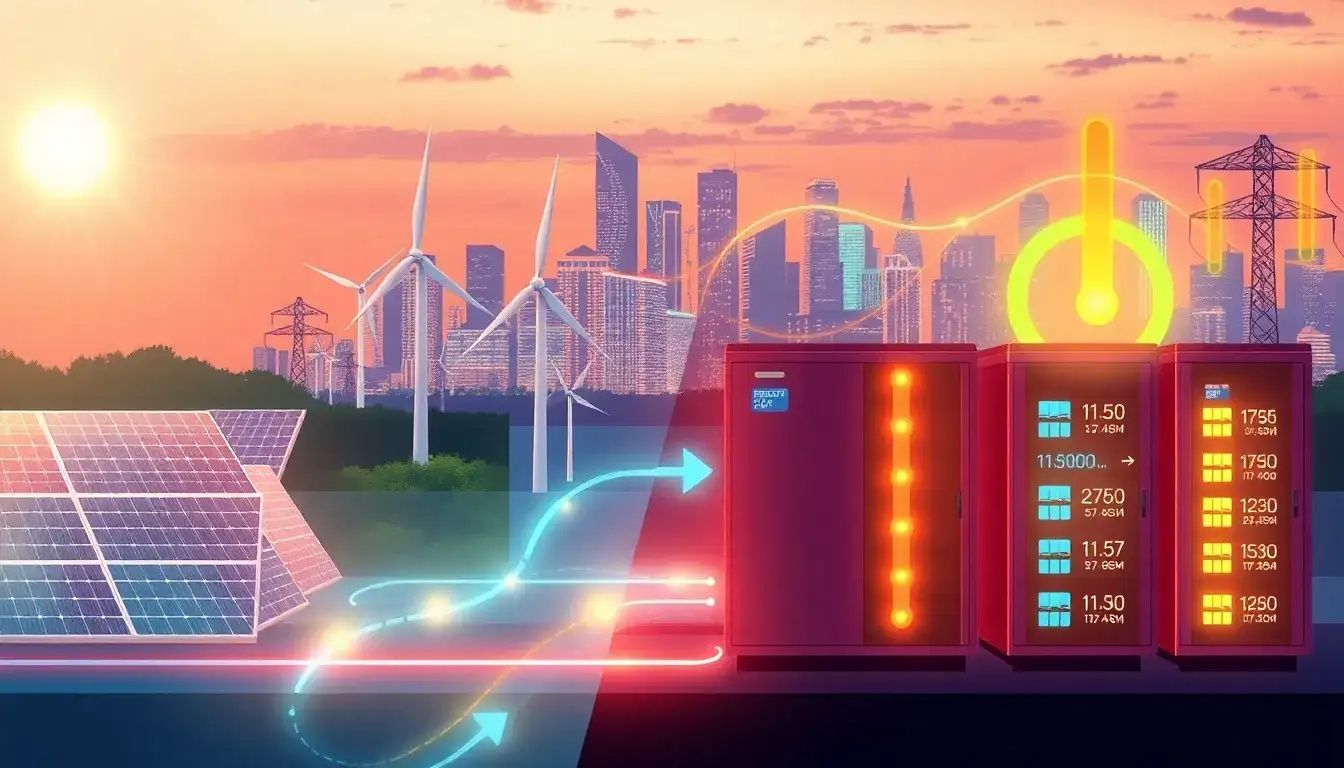
Energy storage plays a crucial role in balancing supply and demand in the grid by serving as a buffer between periods of excess energy production and times of higher demand. Here are some key ways it helps in balancing the grid:
1. Peak Shaving and Load Shifting
Energy storage allows for storing energy when it is abundant and cheap, typically during off-peak hours, and releasing it during peak hours when demand is higher and prices are more expensive. This reduces the strain on the grid and avoids the need for inefficient peaking power plants.
2. Renewable Energy Integration
Since renewable energy sources like solar and wind are intermittent, energy storage helps capture excess energy generated during favorable conditions (e.g., sunny days) and releases it when needed, ensuring a consistent supply of clean energy and reducing waste.
3. Frequency Regulation
Storage systems can quickly adjust to changes in grid frequency, absorbing or releasing power to maintain stability and prevent blackouts. This capability is especially crucial when integrating renewables into the grid.
4. Reducing Congestion
By providing local power during peak times, energy storage can alleviate stress on transmission and distribution lines, enhancing overall grid reliability.
5. Fast Response
Energy storage technologies, such as batteries, can respond rapidly to changes in demand or supply, often in milliseconds, which is far quicker than traditional fossil fuel-based power plants.
6. Revenue Generation
Energy storage can also generate revenue through grid balancing services. Aggregators can coordinate multiple storage assets to participate in energy markets, providing a financial incentive for grid operators to use stored energy efficiently.
Original article by NenPower, If reposted, please credit the source: https://nenpower.com/blog/how-does-energy-storage-help-in-balancing-supply-and-demand-in-the-grid/

