

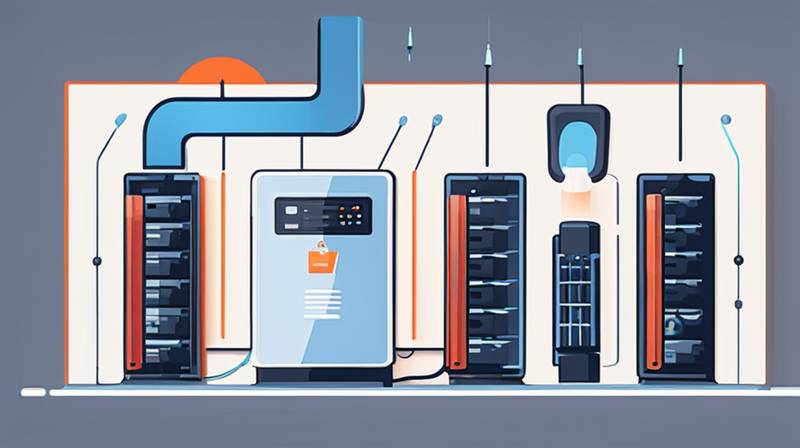
Energy storage equipment captures energy generated at one time for use at a later moment. 1. The primary mechanism involves various technologies such as batteries, flywheels, or thermal storage systems, all designed to facilitate energy conservation and redistribution. 2. Energy storage systems enable the integration of renewable energy by balancing supply and demand, optimizing usage during peak and off-peak periods. 3. These technologies play a crucial role in enhancing grid stability, allowing for uninterrupted power supply and reducing dependency on fossil fuels. 4. Advancements in energy storage have led to more efficient systems, reflecting an essential shift towards sustainable energy solutions.
1. EVOLUTION OF ENERGY STORAGE TECHNOLOGIES
The progression of energy storage systems has undergone remarkable transformation over the decades. Traditionally, energy storage was primarily confined to mechanical systems like pumped hydro storage, where water is elevated to a reservoir and released to generate electricity. However, as energy demand has shifted with the advent of renewable technologies, the need for more efficient and versatile storage mechanisms has become paramount. Modern energy storage encompasses a multitude of technologies beyond just mechanical methods. For example, advancements in electrochemical systems, particularly lithium-ion batteries, have surged due to their efficiency and scalability.
These innovations are not merely incremental; they represent a paradigm shift in how energy is utilized and conserved. With renewable energy sources being intermittent, such as solar and wind, the integration of robust storage technologies has become essential. This evolution of energy storage has enabled consumers to harness energy during peak generation periods and deploy it when demand escalates. Notably, the drive towards sustainability has triggered policies advocating for energy storage investment, further galvanizing research and development in this sector.
2. MECHANISMS OF ENERGY STORAGE
Energy storage operates through various mechanisms reliant on the physics of energy conversion and conservation. Electrochemical batteries store energy in the form of chemical potential, which can be released as electrical energy when required. Lithium-ion technologies, in particular, exemplify this process through the movement of lithium ions between the anode and cathode during charge and discharge cycles.
Thermal storage, on the other hand, employs different principles. This method harnesses heat energy and stores it within materials such as molten salts or water. The stored thermal energy is later converted back into electricity or utilized for heating purposes when needed. Such designs are particularly efficient for balancing solar energy due to their capacity to store excess heat generated during the day for use during the night. These multifaceted approaches to energy storage ensure that various needs can be met depending on the context and specific energy requirements of consumers.
3. APPLICATIONS AND BENEFITS OF ENERGY STORAGE
Energy storage systems possess wide-ranging applications that enhance grid functionality and consumer energy management. In utility-scale applications, large batteries or thermal storage units stabilize electricity supply, particularly during peak usage times when demand exceeds immediate generation capacity. This capability not only enhances reliability but also reduces the requirement for fossil fuel back-up generation, promoting ecological welfare.
Residential energy storage, such as home battery systems paired with solar panels, offers more significant independence for consumers. These systems allow households to harness and store excess solar energy for later use, reducing reliance on grid power and optimizing energy costs. Furthermore, energy storage provides financial incentives through demand response programs, allowing consumers to use stored energy during peak pricing periods, thus lowering electricity bills. The implications are profound, showcasing energy storage not merely as a technological novelty but as a crucial component in the transition toward decentralized energy systems.
4. CHALLENGES AND LIMITATIONS
Despite the clear advantages, energy storage technologies are not without challenges and limitations. High initial costs associated with advanced technologies, particularly in lithium-ion batteries, remain a significant barrier. This factor often discourages widespread adoption among consumers and small businesses. Additionally, questions surrounding raw material sourcing and the environmental impact of production processes pose serious ethical considerations.
Moreover, current storage capacities can sometimes fall short of demand predictions, leading to power shortages or disruptions. Systems designed for short-term energy storage may struggle during prolonged periods of low generation, such as cloudy days for solar energy. Continuous research is essential not only in enhancing the efficiency and capacity of energy storage systems but also in reducing costs, which will drive greater market acceptance and integration into existing infrastructures.
5. FUTURE PROSPECTS OF ENERGY STORAGE
The future landscape of energy storage is promising, driven by ongoing innovation and increasing demand for sustainable energy solutions. Researchers are exploring alternative battery technologies including solid-state batteries, which promise higher capacities and improved safety features. These technologies may represent the next quantum leap in energy storage efficiency and longevity, potentially replacing existing lithium-ion chemistries.
Moreover, the advent of artificial intelligence and smart grid technologies will likely enhance energy management capabilities. Integrating AI-driven analytics will allow for more precise predictions of energy generation and consumption patterns, leading to improved optimization of energy storage systems. As regulatory frameworks evolve and financial models become more favorable, the widespread adoption of various storage technologies will likely contribute significantly to a decarbonized energy landscape.
COMMONLY ASKED QUESTIONS
WHAT TYPES OF ENERGY STORAGE SYSTEMS EXIST?
A variety of energy storage systems are available today, each tailored to address specific needs and applications. Battery storage, particularly lithium-ion, stands as the most recognized form due to its versatility and widespread use in electric vehicles and grid applications. These batteries utilize electrochemical reactions to store energy, providing quick discharge and recharge capabilities. Furthermore, lead-acid batteries, though older technology, find use in less demanding applications due to lower costs, while newer alternatives, like flow batteries, are gaining attention for long-duration storage applications.
Thermal storage systems are also prominent, where energy in the form of heat is stored in materials such as water or molten salts for later conversion into electricity. Mechanical storage methods like pumped hydro and compressed air energy storage leverage gravitational and pressure systems to store energy mechanically. These systems are particularly advantageous for large-scale applications. Exploring these diverse technologies illuminates the significance and adaptability of energy storage solutions across various sectors.
HOW DO ENERGY STORAGE SYSTEMS IMPACT ELECTRICITY PRICES?
Energy storage systems play a pivotal role in influencing electricity pricing structures. By storing energy during off-peak hours, when electricity prices are lower, and supplying it during peak demand times, utilities can mitigate the costs associated with peak power generation. This process effectively lowers the volatility of pricing and can even lead to reduced overall energy costs for consumers. Demand response programs are often facilitated by energy storage, allowing for a more responsive grid that diminishes the need for expensive peaking plants.
Moreover, energy storage enables greater integration of renewable resources into the grid. As renewables often have variable outputs, storage systems smooth out the supply, thus stabilizing prices over time. While traditional energy markets may experience fluctuating prices due to supply risks or generation inadequacies, energy storage encourages a much more predictable pricing model. This transformation underscores the value of energy storage as a catalyst for economic stability in the electric market.
WHAT ARE THE ENVIRONMENTAL IMPACTS OF ENERGY STORAGE?
The environmental implications of energy storage systems are multi-faceted and deserve thorough examination. On one hand, these technologies substantially reduce greenhouse gas emissions by facilitating the integration of renewable energy sources, thus minimizing reliance on fossil fuels. Energy storage enhances the capability to manage renewable generation accurately, creating a more resilient and sustainable energy landscape.
However, it’s crucial to address potential environmental downsides. The production of battery systems, particularly lithium-ion, raises concerns regarding resource extraction and processing. Mining operations to procure lithium, cobalt, and nickel can lead to significant ecological disruption if not managed responsibly. The lifecycle management of batteries also presents challenges, particularly in ensuring sustainable recycling and waste management practices are implemented. These considerations reveal that while energy storage systems offer profound benefits for sustainability, their environmental impacts necessitate responsible sourcing and recycling mandates.
**The exploration of how energy storage equipment retains energy reveals a multi-layered and dynamic interaction of technologies and methodologies vital for enhancing energy management. A broad spectrum of storage solutions such as batteries, thermal storage, and advanced mechanical systems are central to processing generated energy efficiently. Furthermore, the integration of these systems enables a balance of supply and demand dynamics critical in renewable energy adoption. The implications of energy storage extend beyond mere energy conservation; they encompass stability in power distribution, reduction of energy costs, consumer empowerment in energy management, and a progressive step toward a decarbonized environment.
Furthermore, the continuous development in energy storage technologies fosters an evolving landscape. The marriage of artificial intelligence with energy systems proposes another efficiency improvement avenue. Research into alternative, sustainable materials and methods also seeks to mitigate the environmental and cost challenges inherent in current technologies.
Pragmatic considerations remain paramount; how effectively society transitions to these systems will ultimately shape energy policies, economic models, and the realization of a resilient, sustainable energy future. Thus, energy storage systems symbolize not only an essential technical advancement but also a transformational force in realizing a grid that accommodates renewables while meeting growing power demands. Ultimately, the future of energy storage holds the promise for a brighter, ecologically aware, and cost-effective world.**
Original article by NenPower, If reposted, please credit the source: https://nenpower.com/blog/how-does-energy-storage-equipment-store-energy/

